signs you might need a root canal

Signs You Might Need a Root Canal

Most people do not relish the thought of getting dental work done, especially when they hear the words “root canal.” However, the fact is, root canals are often the best way to save badly damaged or infected teeth if caught early. The earlier the signs of damage are caught, the sooner the problem can be treated. So, how do you know if you may need a root canal? Let’s explore the most common root canal symptoms and signs and what they mean.

1. Chronic Tooth Pain

Chronic tooth pain is a huge indicator that something is not correct. If your tooth pain occurs when you are not eating or drinking, this could be an indicator of infected or damaged pulp inside the tooth. Tooth pain may come and go, or it may be a constant pain. Either way, if that tooth discomfort lingers, it may be a sign to get it looked at.

2. Hot or Cold Sensitivity

If you feel an intense pain when sipping on hot coffee or a lingering pain after eating ice cream, this can be another sign of the need for a root canal. A healthy tooth might react a little, but if the pain stays for a while, it could mean there’s a deeper issue with the tooth’s pulp (the soft tissue inside). Pay attention to how long the sensitivity lasts; longer pain usually means a bigger problem.

3. Swollen or Tender Gums

Swelling around the gums near a painful tooth could be a sign of infection. You might even notice a small bump on the gum, which can sometimes leak pus. This is your body trying to get rid of the infection. Swollen or tender gums are never a good sign, and they shouldn’t be ignored.

4. Tooth Discoloration

A tooth that turns dark or grey compared to your other teeth could be a sign of damage or infection deep inside. When the pulp inside the tooth dies, it can make the tooth look darker. This change doesn’t always hurt, but it is a clue that something serious might be going on.

5. Pain When Biting or Chewing

If it hurts to bite down or chew food on a certain side of your mouth, it could mean the tooth is cracked, damaged, or infected. This kind of pain might feel sharp or dull, but either way, it’s not normal. Don’t wait too long to ask, “Do I need a root canal?”

Left untreated, the problem can get worse and lead to more serious dental issues. Seeing a dentist early can help save your tooth and prevent the need for more complex procedures later on.

6. A Loose Tooth

An adult tooth shouldn’t feel loose. If one of your teeth suddenly starts to move or wiggle, it could mean infection has weakened the bone that holds the tooth in place. In these cases, a root canal may be needed to stop the infection and save the tooth before it’s too late.
You might also notice bleeding or swelling in the gums around the loose tooth. Getting it checked quickly can help prevent permanent tooth loss and protect your overall oral health.

7. A Chip or Crack in the Tooth

Chipped or cracked teeth can let bacteria inside, which may lead to infection. Even a small crack can open the door for decay. If you’ve had a dental injury recently and are feeling pain in that area, it’s a good idea to get it checked out.

When to See a Dentist

If you have any of these signs, don’t panic, but don’t ignore them either. The best thing you can do is visit a trusted dentist in Weymouth. They can examine your teeth, take an X-ray, and tell you what’s going on. The sooner you act, the more likely it is that your tooth can be saved.

Get Relief and Save Your Smile at Weymouth Dental Arts

Let the team at Weymouth Dental Arts help you find the answers you need. Whether it’s pain, sensitivity, or swelling, we’re here to listen and guide you to the right treatment. Our friendly staff will make sure you’re comfortable every step of the way.

Don’t let tooth pain control your life. Book your visit today and take the first step toward a healthier, pain-free smile. Your teeth will thank you!

Root Canal Aftercare: How to Care for Your Tooth Post-Procedure

Root Canal Aftercare: How to Care for Your Tooth Post-Procedure

A root canal may be frightening, but it is a very effective and popular dental procedure that preserves infected teeth. Afterward, keeping your tooth in good shape will lead to healing nicely and long-term longevity of your tooth. If you’ve had a root canal treatment near you recently or are scheduled to have one, this blog post will provide you with step-by-step directions on what to do after the treatment.

Why Aftercare is Important

Although your root canal is complete, your healing isn’t finished immediately. Your tooth and surrounding tissues require time to heal, and your behavior during this period can influence the success of the procedure. Good aftercare minimizes pain, avoids infection, and prevents additional dental problems.

Following your root canal, you will be given advice from your dentist that will have been designed to meet your particular circumstances. Always adhere to those instructions to the letter.

If you have any doubts, a trusted dentist in Weymouth can answer your questions and help guide your recovery.

Manage Pain and Swelling

It’s normal to feel some soreness or discomfort for a few days after your root canal. You might also notice slight swelling. This is your body’s natural way of healing. To manage this:

  • Take over-the-counter pain medicine like ibuprofen or acetaminophen as advised by your dentist.

  • Apply a cold pack on the outside of your cheek for 15–20 minutes at a time to help with swelling.

  • Avoid very hot or very cold foods that can make your teeth more sensitive.

Pain usually gets better within a few days, but if it gets worse or doesn’t improve, reach out to your dentist.

Eating and Drinking Safely

After your root canal, it’s best to wait until the numbness wears off before you eat anything. This helps you avoid biting your tongue or cheek by accident. In the first couple of days, try eating soft foods that don’t require much chewing, such as

  • Mashed potatoes

  • Soup

  • Smoothies

  • Oatmeal

  • Scrambled eggs

Avoid hard, sticky, or crunchy foods until your dentist gives you the okay. Chew on the opposite side of your mouth to protect the treated tooth.

Follow Good Root Canal Aftercare Habits

One of the most important parts of healing is keeping your mouth clean. Root canal aftercare should include regular brushing and flossing, but be gentle around the treated area. Use a soft-bristled toothbrush and avoid poking or pressing too hard on the tooth that had the root canal.

You might also want to rinse your mouth with warm salt water (1/2 teaspoon of salt in a cup of water) to help reduce bacteria and keep the area clean.

Be Aware of What’s Normal and What’s Not

During your root canal recovery, you might feel a bit of tenderness or pressure, especially when chewing. This can last a few days. However, if you experience any of the following, it’s important to contact your dentist:

  • Severe pain that doesn’t go away

  • Swelling that gets worse.

  • A bad taste or smell coming from the treated area

  • Fever

These could be signs of an infection or other issues, and getting help early will keep your recovery on track.

Long-Term Root Canal Recovery Tips

Even though your tooth has been treated, it still needs care just like your other teeth. Here are some long-term root canal recovery tips:

  • Return to your dentist for any follow-up visits. You might need a crown placed on the treated tooth to protect it.

  • Keep up your dental hygiene by brushing twice a day and flossing daily.

  • Avoid using the treated tooth to bite on very hard items like ice or candy.

  • Get regular dental checkups every 6 months to keep all your teeth healthy.

Let Your Smile Heal Right — Book Your Visit Today!

Your tooth has been saved — now it’s time to take care of it! With the right aftercare and support, you can heal smoothly and enjoy a strong, pain-free smile for years to come. Whether you’re recovering or thinking about getting a root canal, the caring team at Weymouth Dental Arts is here to help every step of the way. Call today to book your appointment and give your smile the care it deserves!

understanding partial dentures what are they and how do they work

Understanding Partial Dentures: What Are They and How Do They Work?

Missing teeth can make eating, speaking, and smiling difficult. It’s natural to feel self-conscious or uncomfortable with the gaps in your smile. You’re not alone and you don’t have to suffer with that difficulty. Dentists understand how important it is to be confident every day. If you want a quick, non-surgical solution, partial dentures near you may be just the answer. This guide talks about what partial dentures are, how they function, and how to maintain them.

What Are Partial Dentures?

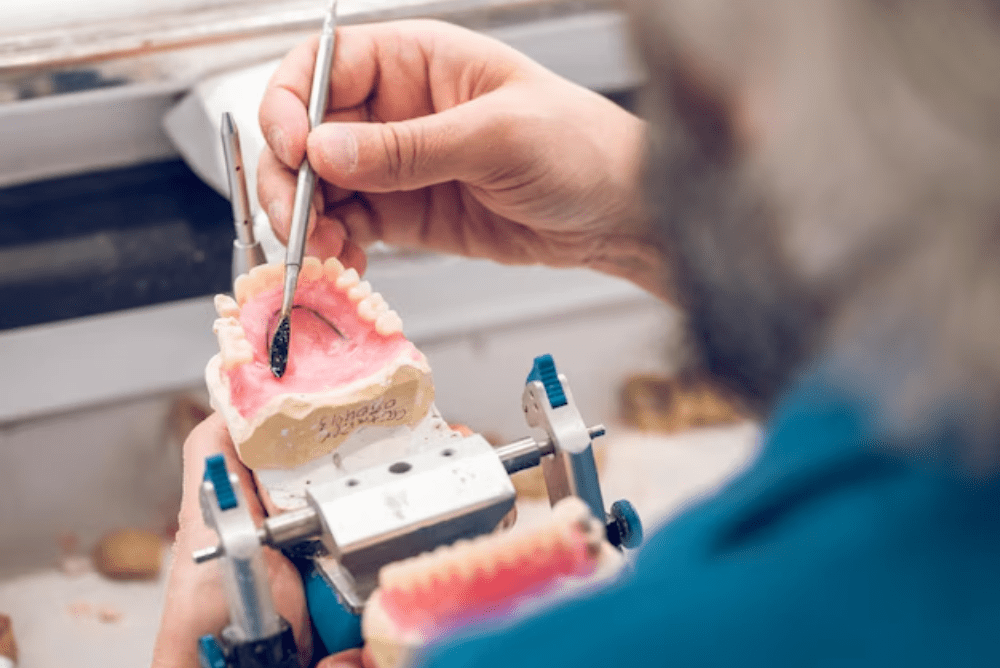
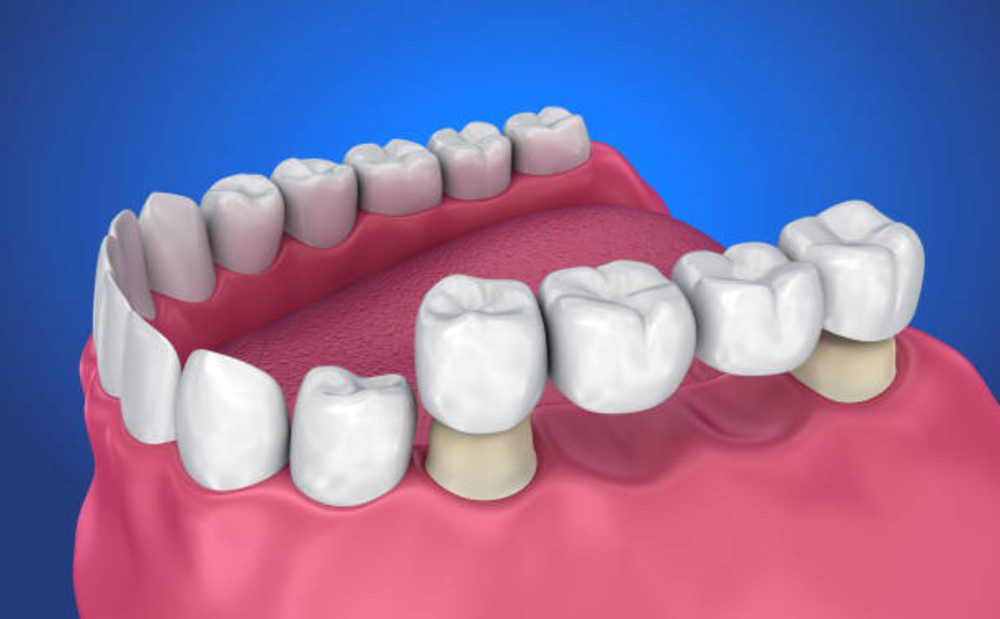
Partial dentures are specially designed to replace one or more missing teeth. They sit on your gums and are attached to surrounding teeth with a metal or acrylic clip. Partial dentures fill in spaces and prevent other teeth from shifting out of position. They’re removable, so you can take them out for cleaning or during sleep. Partial dentures are available in acrylic, metal, or flexible plastic, depending on your requirements. To achieve the correct fit, your dentist in Weymouth will make impressions of your mouth and adjust them. This is done to provide comfort during speaking and eating.

How Partial Dentures Work

Curious about how partial dentures work? It’s quite straightforward. The denture is a gum-colored plate with replacement teeth that are identical to your natural teeth. It’s molded to the shape of your mouth and as natural-looking as possible. The clasps attach to adjacent teeth to hold the denture in position. Some designs even use see-through or pink clasps to render them less conspicuous. They’re not as permanent as implants, but they can still function very well.

Book your appointment today for expert dental care in Weymouth!

Book Appointment Call Us

Who Can Benefit from Partial Dentures?

Partial dentures are excellent for individuals who have some remaining healthy teeth. They assist with chewing, speaking, and getting your smile back. They also prevent your other teeth from moving. Your dentist can recommend them if:
  • You’re not yet prepared for implants
  • You’d like a quicker, cheaper alternative
  • You’d like something you can remove when needed

Partial Dentures Care Tips

Keeping your dentures clean will help them last and keep your mouth healthy. Try these partial dentures care tips:
  • Take them out and rinse after meals
  • Brush daily with a soft brush (no toothpaste)
  • Soak overnight in a denture cleaner
  • Brush your gums and natural teeth every day
  • Avoid bending or damaging the clasps
  • See your dentist for regular checkups and adjustments
Good care helps prevent sore spots, infections, or damage to your dentures.

Materials Used in Partial Dentures

Here’s a quick look at different materials:
Material Features Pros Cons
Acrylic Plastic base with plastic teeth Affordable, easy to adjust Bulkier, wears out faster
Metal (Cobalt) Strong metal base with acrylic teeth Durable and stable Pricier, sometimes visible
Flexible Resin Soft, gum-colored plastic Comfy and blends well Less strong than metal

Benefits of Partial Dentures

Here’s why partial dentures are a popular choice:
  • Bring back your smile
  • Help you eat more comfortably
  • Improve your speech
  • Keep your natural teeth from shifting
  • Easy to remove and clean
They’re also more affordable than bridges or implants, which makes them a good choice for those on a budget.

Are There Any Downsides?

There can be a small learning curve. Speaking and eating may feel different at first. If you don’t clean them well, they could irritate your gums. But with good care and regular checkups, these issues are easy to manage.

Wrapping Up!

Partial dentures are a simple, affordable way to replace missing teeth. They help improve your daily life by restoring comfort and confidence. A Better Smile Starts With Care Book your consultation today at Weymouth Dental Arts and take the first step toward restoring your smile.
dental crown procedure what to expect

Dental Crown Procedure: What to Expect

Dental crowns are one of the most widely used restoration or repair treatments for tooth restoration; for example, for previously damaged, weakened, or broken teeth. They fill, complete, ornate, seal, and strengthen the tooth while restoring an aesthetic appearance. 

Therefore, if you are interested in getting dental crowns in Weymouth, you probably have a million questions regarding the process.

Being adept at what happens at every step helps with the anxieties and prepares one well for the entire journey towards a healthier smile.   

What is a Dental Crown?

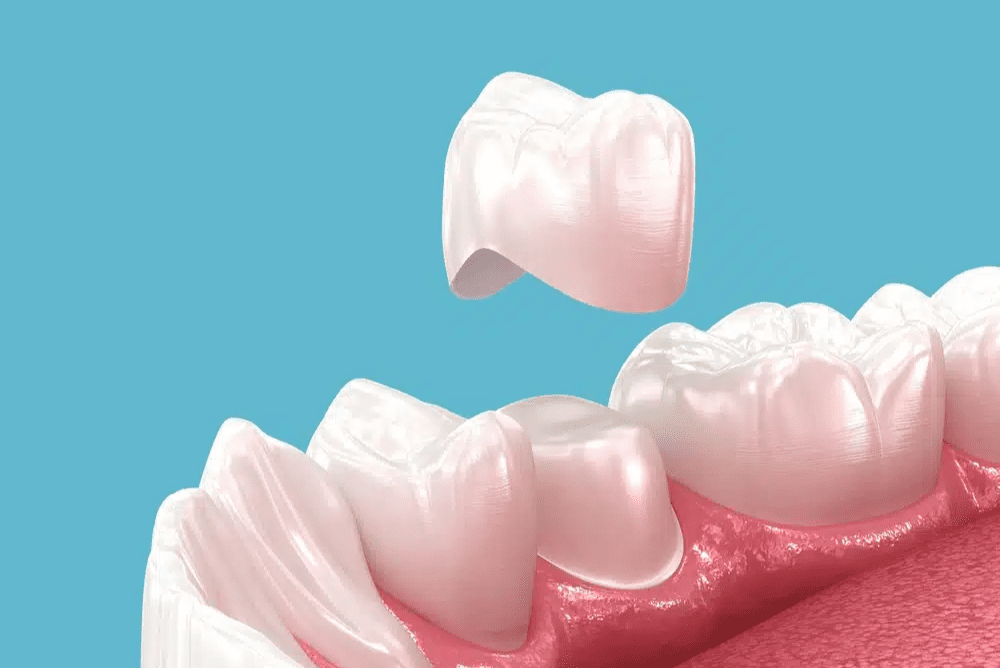
A dental crown, which is an artificial covering that is customized to fit the shape of a tooth, gives that tooth its original size, shape, strength, and appearance.

When a tooth cannot be successfully repaired with an onlay or filling, crowns are typically advised. All of the tooth’s exposed surface above the gum line will be covered by the crown.

Why Would You Need a Dental Crown?

The dental crown has several important purposes.

  • Restore a Broken or Worn Tooth: Bones and teeth with visible fracture lines or worn surfaces can be restored using crowns.
  • Protect a Weakened Tooth: They keep decayed or filled teeth from breaking or splitting apart under stress.
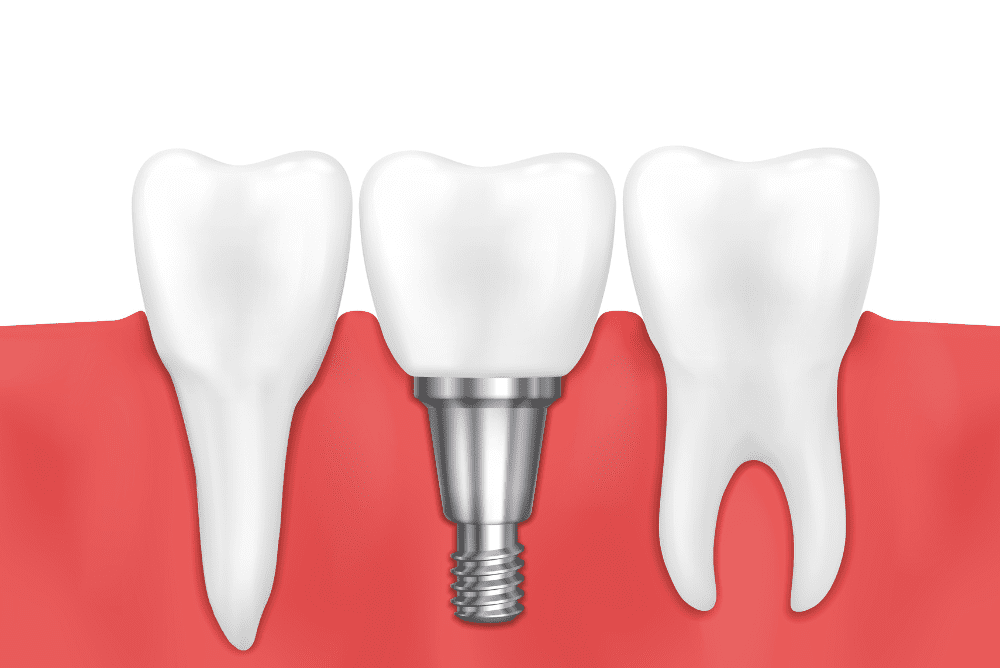
  • Cover a Dental Implant: A crown caps an implant, simultaneously replacing a tooth.
  • Improve Aesthetic Beauty: A discoloured or oddly shaped tooth can affect a beautiful smile.

Step-by-Step Procedure of Dental Crown

Learning about the dental crown treatment can help adjust your expectations:

Initial Consultation

  • The affected tooth and surrounding tissues will be examined by your dentist.
  • These images will be utilized to assess the tooth’s bone structure and roots in order to determine whether a crown is necessary.

Preparation of the Tooth

  • Local anesthesia is used to numb the area.
  • Make room for the crown, the tooth is reshaped. The type of crown being utilized determines how much enamel needs to be removed.

Impressions

  • Create an exact crown model, an impression of the prepared tooth and neighbouring teeth is taken.
  • Preserve the tooth while it waits for the permanent crown, a temporary crown may occasionally be placed over it.

Crown Fabrication

  • The crowns can thus be metal, porcelain-fused-to-metal, all resin, or all ceramic. The selection varies based on durability, aesthetics, and metal allergies an individual might have.
  • An impression is sent to a dental laboratory where technicians craft the crown to match the specifications in your tooth.

Placement of Permanent Crown

  • After preparing this, the temporary crown will be taken off, and the permanent crown will go in to check if it fits as desired and feels comfortable.
  • If the fit is fine, the crown will be permanently cemented into place.

What to Expect After the Procedure

Although post-procedure sensations can differ, typical elements consist of:​

  • Sensitivity: Feeling a little overwhelmed by extremes of temperature is normal. It might be beneficial to use toothpaste made especially for sensitive teeth.
  • Soreness or pain: There may be some discomfort in the treated area. Painkillers sold over the counter can lessen this.
  • Adjustment Time: It could take a few days to become acclimated to the new crown’s feel. Ask your dentist for adjustments if your bite seems strange or if the pain doesn’t go away.

Caring for Your Dental Crown

Your crown’s lifespan can be increased with proper care:​

  • Maintain Dental Hygiene: To avoid plaque accumulation around the crown, brush and floss twice a day.
  • Avoid Hard Foods: To avoid breaking the crown, avoid chewing on ice or hard foods.
  • Frequent dental examinations: To keep an eye on the crown and general oral health, schedule routine dental checkups.

Potential Risks and Complications

Dental crowns are usually safe; however, be mindful of some problems:​

  • Crowns have the potential to chip or loosen with time. Get in touch with your dentist right away if this occurs.
  • Rarely, people may experience allergic responses to the materials that are used to make crowns. Be willing to disclose any known allergies beforehand.
  • If dental hygiene is neglected, decay may develop along the crown’s edge. To avoid this, cleaning must be done frequently.

Wrapping Up!

At first, getting a dental crown could sound scary, but it can be much simpler if you know what to do. The goal of the dental crown treatment procedure is to preserve your tooth and repair your smile from the first consultation to the last fitting.

In addition to enhancing appearance, the dental repair procedure aids in preventing further decay or damage.

If you take good care of your crown, it can give you confidence and strength in your bite for many years to come.

Your Smile Needs Professional Attention

Working with a reputable Weymouth dentist who can professionally and compassionately walk you through the procedure is crucial if you’re thinking about getting dental crowns.

To begin the process of improving your oral health, schedule a consultation with Weymouth Dental Arts. 

what to expect before during and after zoom teeth whitening

What to Expect Before, During, and After ZOOM Teeth Whitening

Many people look for ways to make their smiles brighter and whiter. One option that is often recommended by dental offices is ZOOM teeth whitening. This treatment is popular because it can make a noticeable difference in just one visit. If you’re thinking about this type of whitening, it helps to know what to expect before, during, and after the process.

Knowing the process in advance can make your experience more pleasant and allow you to prepare yourself for the outcome.

What Occurs Before Whitening

Before treatment, your dentist will inspect your gums and teeth. They wish to ensure your mouth is healthy enough for whitening. If there are untreated cavities or gum issues, those will have to be repaired first.

You may also want to receive a routine cleaning. This removes plaque and provides the whitening gel with a clean surface to operate on. Your dentist may take you through before and after teeth whitening photos so you can see what to expect when changes occur.

The Day of Your Appointment

During your whitening appointment, the procedure normally begins with the preparation of your mouth. The dentist will put covers on your lips and gums to shield them from the whitening gel. Next, a special gel is applied to your teeth.

The gel is then activated with a ZOOM light. You will be seated for approximately 15 minutes while the light acts on your teeth. This process may be repeated three to four times throughout the visit.

Some individuals experience a little tingling, but it will not hurt.

After the Whitening is Done

Once the final round of whitening is complete, the gel is removed. You’ll be able to see your new smile right away. Many patients say they notice their teeth look several shades whiter after just one visit.

It’s not uncommon to experience a bit of mild tooth sensitivity following the treatment. This will normally subside within a few days. Your dentist may recommend using sensitive teeth toothpaste to help you feel more at ease.

Taking Care of Your New Smile

Following the treatment, your dentist will probably provide you with advice on how to maintain your white teeth. You might be advised against consuming dark beverages such as coffee, tea, or red wine for at least 48 hours. These tend to stain your teeth immediately after whitening.

Brushing two times daily and flossing once a day will also assist in keeping your smile shining. Attempt to minimize foods and beverages that have been proven to stain teeth, and use a straw when consuming colored liquids.

How Long Do the Results Last?

The results from ZOOM whitening can last for quite some time, especially if you look after your teeth properly. Most individuals find that they like the brighter shade for several months. Some patients prefer to have touch-ups carried out every year or so to keep their smile.

Your brushing and eating habits are a large contributing factor to the longevity of whitening. Avoiding smoking and limiting dark drinks will have a big impact. 

Is This Treatment Right for You?

ZOOM whitening is an appropriate choice for most individuals, but it might not be effective on every stain type. Yellowish stains are easier to whiten than gray or brown stains. In addition, the treatment is ineffective on crowns and fillings.

Your dentist will advise you on whether this is the kind of whitening that is best for you. They will also tell you what results you can anticipate depending on the condition of your teeth.

What If You Have Sensitive Teeth?

If you have sensitive teeth, discuss it with your dentist before treatment. They might recommend a regime to minimize sensitivity. This can be a desensitizing toothpaste before and after whitening.

At times, the whitening gel can be done with a milder version. Your dentist will modify the process to ensure that you are comfortable as much as possible.

Considering ZOOM Whitening?

If you’ve been thinking about ZOOM teeth whitening in Weymouth, you should consider consulting a dental office that provides this treatment. A consultation can give you an idea of how the process works and what type of result to expect.

This in-office procedure is quick, effective, and performed by professionals who are dedicated to keeping your mouth safe and enhancing your smile.

Consult a Trusted Dental Office

At Weymouth Dental Arts, we can help you get a whiter smile with service tailored to your needs. If you want whitening or anything else in dental care, our staff is standing by to guide you every step of the way.

If you’ve been looking for a dental clinic near you, we invite new patients and offer solutions that are in line with your aspirations. We’ll explain everything to you, so you can feel secure in your choice.

Schedule an appointment today to find out more about your whitening possibilities and how we can transform your smile.


How Long Does Zoom Teeth Whitening Last?

White, radiant teeth are a key to self-assurance and lasting good impression. Zoom teeth whitening, as an example of professional whitening, is in bigger demand now for those interested in instant dramatic teeth whitening effects. Probably, one of the most popular inquiries from patients is: How long will my whitening effect be? It actually depends on lots of variables that range from lifestyles to dietary consumption and choice of food. In this blog, we’ll explore the Zoom teeth whitening duration and tips to extend its longevity.

What is Zoom Teeth Whitening?

Zoom teeth whitening is a chairside bleaching treatment that achieves instant and perceptible results. The procedure involves applying hydrogen peroxide gel on the teeth and activating it using a specific LED light. Stains and coloration are dissolved and the smile becomes whiter within a time frame of around one hour.

How Long Do Zoom Whitening Effects Last?

The duration of Zoom teeth whitening varies from person to person. The effect lasts around 1-2 years if properly maintained. The whiteness decreases quicker in some patients than others, while others may enjoy a white smile for a few years. The factors that can affect the duration of Zoom teeth whitening are:
  1.  Diet: This is because foods and beverages that can stain the teeth, such as coffee, tea, red wine, and berries, are introduced into the mouth.
  2. Oral Care: This includes brushing the teeth, flossing, and using whitening toothpaste to help sustain the results.
  3. Smoking and Tobacco Use: Nicotine and tobacco products are known to cause staining that can limit the time that whitening effects last.
  4. Heredity and the Natural Colour of Teeth: There are some people whose teeth are more likely to stain than others.
  5.  Age: As we get older, the enamel wears down, which results in the teeth appearing dull, and thus, the whitening duration is affected.

Book your appointment today for expert dental care in Weymouth!

Book Appointment Call Us

Tips to Extend Zoom Teeth-Whitening Longevity

If you want to prolong the effects of your Zoom teeth whitening, follow these simple tips:

1. Maintain a Good Oral Hygiene Routine

Brushing twice a day and flossing daily can help remove plaque and prevent stains from forming. Use a whitening toothpaste recommended by your dentist to maintain brightness.

2. Avoid Staining Foods and Drinks

To keep your teeth white for longer, limit your intake of coffee, tea, red wine, dark sodas, and deeply pigmented foods. If you do consume them, consider using a straw to minimize contact with your teeth.

3. Quit Smoking

Smoking not only stains teeth but also affects overall oral health. Quitting tobacco can significantly improve the Zoom teeth whitening longevity and keep your smile looking bright.

4. Use Whitening Touch-Up Treatments

Many dentists offer take-home whitening kits to help maintain your results. Using these as directed can refresh your smile and prevent discoloration.

5. Stay Hydrated and Rinse Your Mouth

Drinking plenty of water helps wash away staining substances before they settle on your teeth. Rinsing your mouth after eating or drinking dark-colored foods can also prevent discoloration.

6. Schedule Regular Dental Cleanings

Professional cleanings help remove surface stains and plaque buildup, keeping your teeth looking fresh. Visiting a dentist near you at least twice a year can enhance your whitening results.

Is Zoom Teeth Whitening Safe?

Yes, Zoom teeth whitening in Weymouth is a safe and effective procedure when performed by a professional. Some patients may experience mild tooth sensitivity after the treatment, but this usually subsides within a few days. Your dentist may recommend desensitizing toothpaste or fluoride treatments to minimize discomfort.

Zoom Teeth Whitening in Weymouth

If you’re looking to brighten your smile, Zoom teeth whiteningis a great option for achieving fast and long-lasting results. At Weymouth Dental Arts, we offer professional teeth whitening treatments to help you achieve a dazzling smile. Our experienced team provides personalized care and guidance to ensure your whitening results last as long as possible. Looking for a dentist near you to enhance your smile? Contact ustoday to schedule your Zoom teeth whitening appointment and enjoy a brighter, more confident smile!

7 Sign Indicating You Need to Replace a Dental Crown

Dental crowns are special caps which are placed over a tooth to help protect them and make them stronger. These crowns can be made of different materials including metal, porcelain, or a mix of both. They are most commonly placed after a root canal or when the tooth has broken severely. As with many things, dental crowns too don’t last forever. Below are the signs indicating that your dental crown in Weymouth should be replaced.

7 Signs That Your Dental Crown May Need Replacing

1. You Feel Pain or Discomfort

Pain or discomfort around the tooth which has a crown is an indication that it is damaged. Sometimes, a crown might hurt because the tooth beneath it has cavities or infections. If there is persistent pain that does not go away, it would be good to call your dentist.

2. Your Crown is Loose

Crown teeth have to fit perfectly on your teeth. If you can move the crown with your tongue or feel it wobble, it may be time for a replacement. Loose crowns expose the tooth to bacteria, increasing the risk of infection and potential discomfort or injury for the patient.

3. You See a Gap

If you notice a gap between your crown this could be an indication the crown is no longer sealing effectively. Such gaps lead to food getting stuck and thus resulting in developing cavities in the areas around it. If there’s a space, it’s a sign to visit the dentist for assistance.

4. Your Crown Looks Discoloured

One of the goals of a dental crown is to blend in with your natural teeth. However, crowns can become stained or discoloured over time. If you notice that your crown looks different in colour compared to your other teeth, it might be time for a dental crown replacement. A new crown can help restore your smile and improve the appearance of your teeth.

5. You Notice Cracks or Chips

Just like any other material, dental crowns can crack or chip. If you see visible damage on your crown, it’s essential to have it checked by your dentist. Cracks can lead to further problems by allowing bacteria to enter and cause more damage to the tooth beneath.

6. Sensitivity to Hot and Cold Foods and Drinks

Feeling sudden sensitivity to hot or cold foods and drinks can indicate a problem with your crown. If your crown is old or damaged, it might not protect your tooth like it should. This sensitivity can become quite uncomfortable and may require a replacement of the dental crown.

7. Your Dentist Recommends to Replace Dental Crown

Sometimes the best way to know if you need a new crown is to listen to your dentist. During regular check-ups, your dentist will examine your crown and may suggest that it’s time for a replacement. It’s important to trust their expertise; they see lots of crown cases every day!

Wrapping Up

When it comes to when to replace your dental crown, it’s essential to pay attention to your mouth and any changes. Ignoring signs can lead to infections or more serious oral problems. As soon as you notice any of the signs mentioned above, arrange an appointment with your dentist. They can help you decide if a simple repair is possible or if dental crown replacement is necessary.

Get a Natural-Looking Dental Crown at Weymouth Dental Arts!

If you’re looking for quality dental care, Weymouth Dental Arts is here for you. We offer a range of services, including natural-looking dental crowns, to help restore your smile and keep your teeth healthy. Our team of dentist in Weymouth focuses on patient comfort and uses modern techniques for optimal results from dental procedures.

Need a dental crown? Schedule your visit today at Weymouth Dental Arts!

How to Tell If You Need a Wisdom Tooth Extraction

Wisdom teeth are the last set of molars, which usually erupt in your late teens or early twenties. In some people, there is no problem with wisdom teeth, while others may develop pain, swelling, or even infection. Therefore, if you are wondering whether you need to have your wisdom tooth extracted, here are key wisdom tooth removal symptoms to look out for:.

Signs You Need Wisdom Teeth Removed

  • Pain and Discomfort is the most common symptom that shows you may need your wisdom teeth removed is pain at the back of your mouth. This discomfort can be mild soreness or even severe pain that makes it hard to eat or speak.
  • Swelling or tenderness in your gum where the wisdom tooth is can be an indication of infection. This usually happens when your wisdom tooth partially comes through the gum, thus providing a space within it where bacterial infection thrives.
  • Wisdom teeth can exert pressure on your jaw, and this sometimes makes the jaw stiff, causing discomfort. Some people may have difficulties opening their jaws fully or maybe develop some pain in their jaws whenever they are chewing.
  • Headaches or ear pain Wisdom teeth can push against other teeth and create tension in the jaw, resulting in frequent headaches or even ear pain. The sensation will start from your jaw through to your head and ears and feel like a recurring strain.
  • Shifting Teeth or Crowding When your mouth is small, there’s not enough room for the teeth to fit and they can press against other teeth, causing those to shift and become misaligned and crowded, which can even affect your smile.
  • Cavities and Tooth Decay A partially erupted wisdom tooth is hard to clean, making it much more susceptible to cavities and decay. Food particles and bacteria can easily lodge in the crevices around the tooth, increasing the risk of dental issues.
  • Bad Breath or Unpleasant Taste If you often experience an unusual bad taste or smell in your mouth, it might be the result of food getting lodged around a partially erupted wisdom tooth. This causes bacteria to collect and potential infections.
  • Sinus Problems Sometimes, the upper wisdom tooth can cause sinus pressure, leading to nasal obstruction, pain, or headache. In case of persistent sinus problems, it is likely to be contributed by your wisdom teeth.

Book your appointment today for expert dental care in Weymouth!

Book Appointment Call Us

When to Remove Wisdom Teeth

Not everyone requires their wisdom teeth to be extracted. However, if you find yourself experiencing any of the above symptoms, then it is a good idea to see a dentist. Wisdom tooth extraction is commonly advised in the following scenarios:
  • The teeth are impacted (stuck under the gums or bone).
  • They grow at an angle, pushing other teeth.
  • You experience recurrent infections or gum disease around the area.
  • Damage to the adjacent teeth by pressure
  • Pain, swelling, or trouble chewing that does not go away.

What to Expect During Wisdom Tooth Extraction

Extraction of wisdom tooth is one dental procedure that helps maintain prevention from potential future complications. Normally, it involves:
  1. Consultation and X-Rays – Your dentist will examine your mouth and take X-rays to determine the position of your wisdom teeth.
  2. Anesthesia – You may receive local or general anesthesia to ensure a pain-free experience.
  3. Extraction – The tooth will be taken out carefully from the gum using simple extraction, or by performing a surgical extraction if the tooth is impacted.
  4. Recovery – You may experience mild swelling and discomfort for a few days. Following aftercare instructions will help speed up the healing process.

Find Wisdom Tooth Extraction Near You

If you are experiencing symptoms of problems with your wisdom teeth, do not wait until it hurts more. At Weymouth Dental Arts, our team is highly skilled and will perform professional extraction services for your comfort and oral health. Contact us today if you are looking for a trusted dentist in Weymouth to schedule a consultation. Let’s help you have a healthy, pain-free smile!
The Impact of Dental Fillings on Overall Oral Health

The Impact of Dental Fillings on Overall Oral Health

When it comes to maintaining good oral health, one of the most common dental treatments people undergo is a dental filling. Whether it’s for a cavity, tooth damage, or decay, dental fillings help restore the structure and function of a tooth, ensuring the overall well-being of your teeth. If you’ve been searching for a reliable dentist near you, chances are you’ve considered dental fillings at some point. But have you ever thought about how dental fillings affect your oral health in general? Let’s look at how this apparently simple procedure plays a huge role in preventing future dental issues and improving your oral health.

What is a Tooth Filling?

Let’s explain their purpose of dental filling versus an antibiotic. A tooth filling is a dental restoration used for the repair of cavities or damaged teeth. It involves several components and is typically made of porcelain The material used to fill the cavity may vary depending on the needs and personal preferences of the patient and can vary in quality from silver amalgam resin composite gold or porcelain . The process involves cleaning out decayed tissue and filling the empty space to prevent further damage, restore tooth function and maintain the appearance of the tooth.

Restoring Tooth Function

Another crucial advantage of dental fillings is the restoration of tooth function. Teeth weakened by decay or damage may be painful or sensitive making it difficult to chew or speak comfortably. By filling cavities or cracks, fillings restore the structure of the tooth and allow it to function normally again.

For example, a filling can restore the chewing surface of molars and allow you to eat without discomfort. It also restores the ability to bite and chew with confidence that plays an essential role in your overall ability to maintain a healthy balance of nutrients. Without fillings these damaged teeth could impair your ability to eat certain foods and reduce your nutritional intake..

Improving Oral Health and Hygiene

Good oral hygiene can prevent cavities and other dental issues, but it is quite difficult if you haven’t treated the decay or cracks in your teeth. Bacteria will have a residence to collect at these locations, which means that you will be more prone to having excess plaque and probably risking gum disease.

The oral hygiene improves through dental fillings since it leaves a smooth and sealed surface which is easier to clean. As opposed to an untreated cavity, its surface is not even and holds food particles and plaque. Thus, the teeth are easier to brush and floss. As a result, you reduce the chances of further dental complications like gum disease or tooth sensitivity.

In addition, fillings can help avoid tooth sensitivity. Tooth sensitivity often results from the exposure of dentin through a cavity or crack. The filling seals off the exposed areas and can avoid hot or cold food and drinks that trigger discomfort.

What Factors Affect the Cost of Dental Fillings?

While dental fillings provide various benefits it is essential to consider the factors that influence the dental fillings cost . The type of filling material in effect, the size of the cavity the location of the tooth and the expertise of dentist all impact the final cost. Composite fillings are generally more expensive than amalgam fillings due to their aesthetic qualities.

The cost of the Filling may vary depending on whether you’re seeking treatment for a root canal or a complex cavity and whether you need special preparation. However the long-term benefits of fillings in terms of tooth preservation and oral health far outweigh the upfront cost.

Preserve, protect, and perfect your smile

Dental fillings are a important part of maintaining long-term oral health. They help prevent further tooth damage, restore function. Improve hygiene and enhance the appearance of your smile. If you are considering getting a dental filling in Weymouth it’s essential to choose an experienced dentist who understand your unique needs.

At Weymouth Dental Arts, we take the time to make sure our care is both the best and as comfortable as possible. If you need a filling or some other dental work, our staff of professionals can guide you through all the ways of getting the smile you’ve always wanted.. Contact us today for an appointment in order to have a healthy start towards oral health.

How Technology is Changing the Way We Approach Dental Cleanings?

How Technology is Changing the Way We Approach Dental Cleanings?

Dental cleaning is an important part of keeping our teeth healthy and strong. A trip to the dentist may not seem like fun, but technology is making these visits easier and more effective. Let’s explore some innovative technology that is changing how we take care of our smiles!

1. Digital X-Rays

One of the biggest changes in dental cleanings is the use of digital X-rays. During a dental cleaning, the dentist will look into your mouth and sometimes may recommend X-rays. Traditional X-rays took too much time and involved too much radiation. But nowadays, most dentists have switched to digital X-rays. They’re faster and safer. The images are immediately clear, allowing the dentist to quickly check and detect tooth decay or other possible problems. This technology also shortens everyone else’s time spent at the dentist’s clinic!

2. Teeth Cleanings with Special Tools

During a dental cleaning appointment near you, your dentist will remove plaque and tartar from your teeth. Plaque is a sticky film of bacteria that can cause cavities and gum disease. To do this job, professionals now use advanced tools. One popular tool is an ultrasonic scaler, which uses vibrations to break up hard deposits on your teeth. This tool is quieter and often feels less uncomfortable than older cleaning methods. Technology helps dentists keep our teeth clean without making us uncomfortable!

3. Lasers Technology

Another exciting technology in dental cleanings is the use of lasers. Lasers help dentists clean teeth more effectively by removing plaque and tartar with little discomfort. This means that you may not need as much scraping with traditional tools, making your visit more comfortable. But today, dentists can use laser tooth cleaning. Lasers help remove infected tissue while leaving healthy parts alone, making the process more comfortable. They also help our gums heal faster. This means a healthier mouth for kids and adults!

Book your appointment today for expert dental care in Weymouth!

Book Appointment Call Us

4. Teledentistry

Sometimes, we can’t make it to the dentist’s office for a visit. That’s where teledentistry comes in. Teledentistry means using the Internet to talk to a dentist from home. You can have a video call to discuss any tooth problems or ask questions. Dentists can also give advice on what to do until you can visit them in person. This new way of connecting with your dentist is especially helpful during emergencies or for people who live far from dental offices.

5. Apps for Better Oral Care

Today, there are many mobile apps that help us keep track of our dental care. Some apps remind us when to brush and floss, while others show videos on how to do it properly. Other apps let us set up appointments or check our dental records right from our phones! Using these apps makes it easier for kids to learn about the importance of good dental hygiene. It’s like having a mini-dentist on your phone!

6. Research and Innovations

Lastly, technology helps dentists learn more about dental health through research and new inventions. Scientists and researchers work hard to discover better ways to prevent cavities and keep our teeth healthy. For example, they are creating new types of toothpaste and mouth rinses that can kill harmful bacteria and strengthen enamel. These innovations will help keep our mouths healthier for longer. In conclusion, technology is changing how we approach dental cleanings in many exciting ways. From digital X-rays and lasers to teledentistry and helpful apps, new tools and advancements help make dental visits easier and more effective. As we embrace these innovations, it’s essential to consider the dental cleaning cost; many clinics offer affordable options to ensure everyone can maintain their dental health. It’s great that technology is helping us keep our smiles bright and healthy.

Embrace Modern Dental Care Today!

At Weymouth Dental Arts, we believe in making dental visits relaxing and easy for everyone. Our friendly team of dentist in Weymouth uses the latest technology to help you achieve a healthy smile. Whether you need a routine cleaning or more advanced treatment, we’re here to support you every step of the way. Take a step toward better oral health today with us! Choose Weymouth Dental Arts for your smile!
781-650-7599