
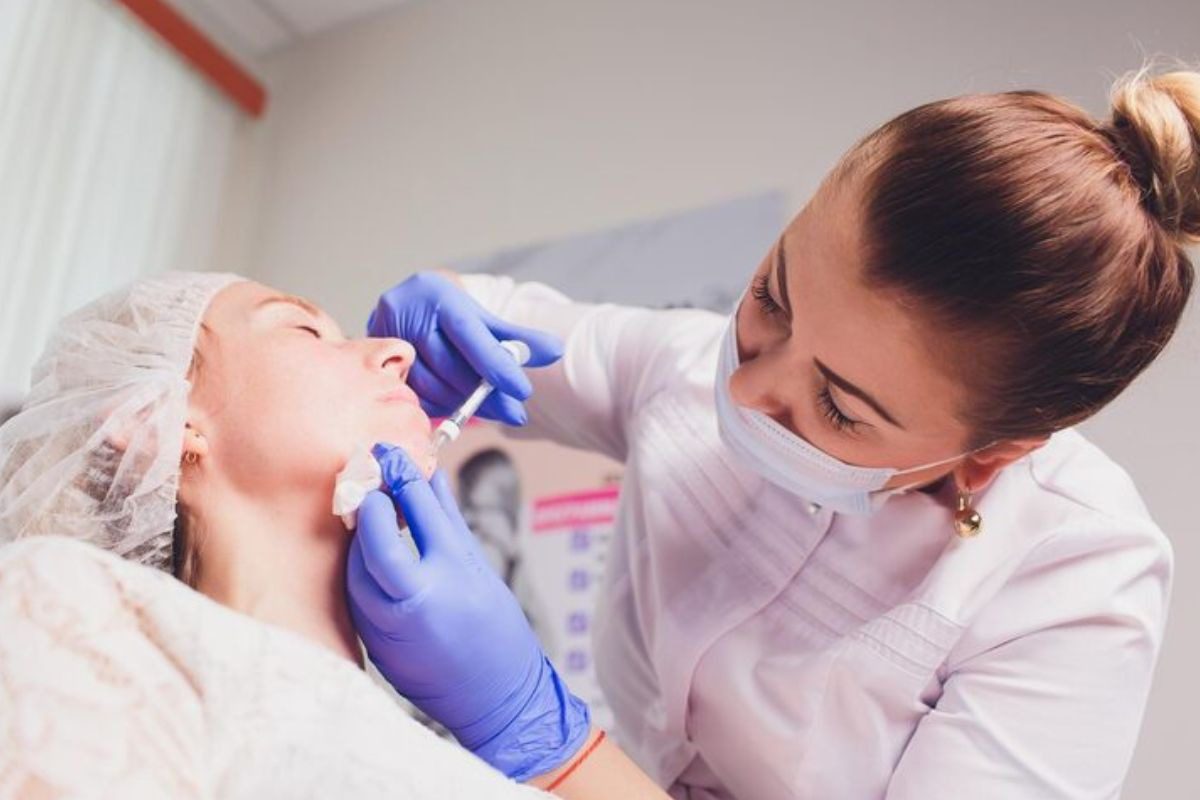
Deep cleaning helps remove plaque and tartar from below the gumline, but some deep gum pockets may still need extra care. Arestin is an antibiotic medicine placed directly into these pockets to help reduce harmful bacteria. Arestin Treatment, may be recommended along with scaling and root planing when gum pockets remain deep after cleaning. It helps support gum disease treatment but does not replace deep cleaning or daily brushing and flossing. Your dentist will check your gum health and decide if adding Arestin may help improve your treatment results.
Why Do Gum Pockets Stay Deep?
Gum pockets can remain deep because periodontitis damages the tissues that hold your teeth in place. Even after plaque and tartar are removed, some areas need closer monitoring.
Your gums may bleed when you floss, even if you aren’t brushing too hard. Bad breath that keeps coming back can be another clue. With periodontitis, the gums can lose their attachment to the teeth, leaving pockets around the roots. Bacteria collect in these spaces, sometimes without causing any pain.
A dentist measures these spaces with a small periodontal probe. The readings, together with bleeding, X-rays and your dental history, help determine whether additional treatment makes sense.
What Does a Deep Cleaning Actually Remove?
A deep cleaning for gum disease removes plaque and hardened tartar from beneath the gums and smooths root surfaces. This treatment is called scaling and root planing.
Unlike an ordinary cleaning, it targets areas around tooth roots that your toothbrush cannot reach. Local anesthetic may be used for comfort. Depending on how many areas need treatment, your appointments may be divided into sections.
Cleaning reduces bacterial buildup, but it cannot instantly rebuild bone or guarantee that every pocket will return to a healthy depth. Your dentist will assess how the gums respond.
What Does Arestin Add to Scaling and Root Planing?
Scaling and root planing with Arestin combines mechanical cleaning with an antibiotic placed inside selected gum pockets. The added medication is intended to help reduce pocket depth in adults with periodontitis.
Arestin contains minocycline in tiny microspheres. These particles gradually release medication at the treated site. This minocycline gum treatment works locally rather than requiring you to swallow an antibiotic tablet.
These two treatments work in different ways. Scaling removes plaque and tartar from the tooth roots, while Arestin places antibiotic medicine directly into the gum pocket to help reduce bacteria. Using Arestin along with deep cleaning may help reduce gum pocket depth in some areas, but results can vary. Patients considering Arestin in Weymouth can learn more about how this treatment works and whether it may be suitable for their gum health.
Who Might Benefit From Arestin?
If you have periodontitis, you may hear about Arestin antibiotic for gum pockets when discussing additional treatment with your dentist. Whether it is appropriate depends on the condition of your gums and your medical history.
Factors that may influence the recommendation include:
- How deep the pockets are and whether they bleed when measured.
- Whether inflammation continues after periodontal treatment.
- The location of affected teeth and how easily those areas can be cleaned.
- Your medical history and previous response to treatment.
Arestin is not appropriate for everyone. Tell your dental team if you are allergic to minocycline or other tetracycline antibiotics, or if you are pregnant or breastfeeding. It is not intended as a routine treatment for children.
What Happens During Treatment and Afterwards?
After scaling and root planing, the dentist places the microspheres into selected pockets using a small applicator. No separate surgery is needed for the medication itself.
You may receive instructions about brushing, flossing, and avoiding disturbance of the treated sites. Follow the advice given at your appointment rather than immediately returning to your usual routine.
Your gums won’t change overnight. When you return, your dentist can measure the pockets to see whether they’ve become shallower and check if they still bleed. You may feel fine before the gums have fully responded to treatment.
When visiting a Weymouth dentist, ask what your pocket measurements mean and how often you’ll need to return for maintenance.
Can Arestin Replace Brushing or Future Cleanings?
No. Arestin helps treat bacteria in certain gum pockets, but it doesn’t eliminate the need for brushing, flossing, or professional cleanings.
Plaque continues to form on your teeth after treatment. Keeping up with your home care matters, especially around areas that have been difficult to clean. If you smoke, quitting can also improve your gum health. Your dentist will recommend follow-up visits based on how your gums are doing.
Ask About Your Gum Health
If you’ve been told that some gum pockets remain deep, contact Weymouth Dental Arts to arrange an evaluation. Our team can explain your findings and discuss whether additional treatment may be suitable.
Frequently Asked Questions
Is Arestin painful to apply?
Placement usually takes only a short time and does not require an incision. Tell your dentist if the area feels uncomfortable.
How long does Arestin work in a gum pocket?
The microspheres release minocycline gradually over several weeks. Your dentist will check how your gums respond.
Will Arestin cure gum disease?
No. It may help reduce pocket depth alongside scaling and root planing, but periodontitis requires ongoing care and monitoring.
Does every deep pocket need Arestin?
No. Your dentist considers pocket measurements, inflammation, medical history and other treatment options before recommending it.