
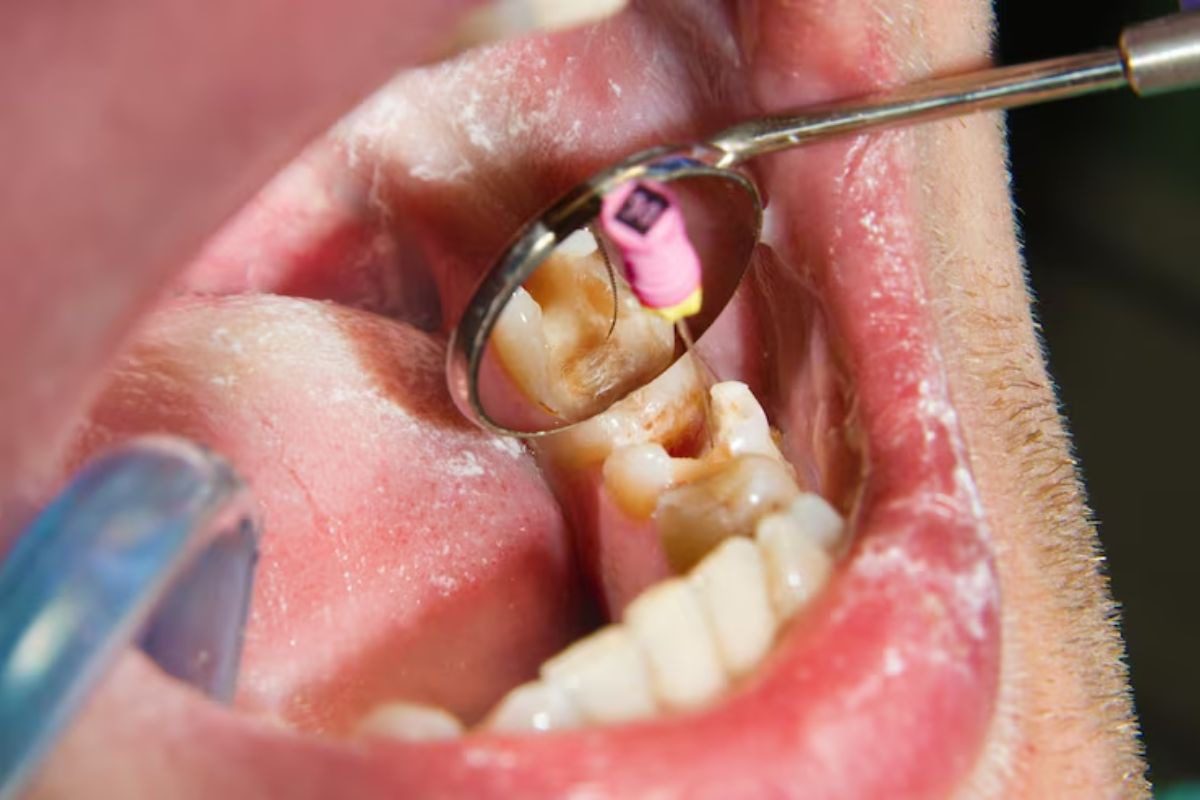
dentist placing a composite dental filling to repair tooth decay

Can a Small Cavity Heal Without a Filling?

Finding a small spot of decay during a dental visit can be a worry, but it doesn’t always mean you need a filling right away.

Many patients ask about early cavity treatment without fillings because they want to keep their natural teeth strong. In the very early stages of decay, your tooth can actually fix itself if you give it the right care.

Learning how this works can help you take charge of your health and maybe avoid the dental drill in the future.

Is It Possible For Teeth To Fix Themselves?

The answer is yes, but only if the damage is very new. When people ask, “can a small cavity heal without a filling?”, they are talking about “remineralization.” This is when minerals in your spit, like calcium, go back into the weak spots of your tooth.

If the decay is only on the very outside layer and hasn’t made a real hole yet, your tooth can get hard again. But once a real hole forms, the tooth can no longer fix itself and will need help from a professional.

Why Is Catching Decay Early So Important?

Finding these weak spots before they turn into deep holes is the best way to stay out of the dental chair.

If you are looking for a dental filling near you, it might mean the decay has already gone too far to heal on its own. A tiny white spot on your tooth is usually the first sign that it is losing minerals.

At this stage, the tooth is still whole. With better cleaning and the right minerals, that spot can become strong again before it turns into a cavity.

How Do Minerals Help Protect Your Smile?

Fluoride is the most important tool you have to make your teeth strong again.

When you talk to a dentist in Weymouth, MA, they might suggest using special fluoride gels to speed up the healing. Fluoride doesn’t just sit on the tooth; it actually penetrates to create a tough shield. This new surface is even stronger against acid than your original tooth.

This treatment is a great way to stop decay in its tracks before it has a chance to grow into a bigger problem.

Simple Ways To Help Your Teeth Heal

If you want to keep your teeth strong and avoid getting a new filling, try these daily habits:

  • Use Fluoride Toothpaste: Brushing twice a day helps put minerals back into your teeth every single day.
  • Drink Plenty of Water: Staying hydrated keeps your spit flowing, which naturally washes away mouth acid.
  • Eat Less Sugar: Germs use sugar to make the acid that causes holes, so eating less sugar keeps them away.
  • Wait to Brush: If you eat something sour, wait 30 minutes to brush so you don’t scrub the soft tooth surface.
  • Floss Every Day: Flossing gets the germs out from between your teeth where your brush can’t reach.

Early Decay vs. Real Cavities

This table shows when a tooth can still fix itself and when it needs a professional repair.

Feature Early Stage (Weak Spot) Late Stage (Real Hole)
What it looks like A chalky white or light spot A dark hole or a pit
Does it hurt? Usually no pain at all Hurts with cold or sweets
Can it fix itself? Yes, with the right care No, the tooth is broken
The Treatment Fluoride and cleaning A filling or a crown
What to do? Watch it and use minerals Fix it right away

Why Do You Still Need To See An Expert?

You can’t always tell if a weak spot has turned into a real hole just by looking in the mirror.

A dentist near you uses special tools and X-rays to see exactly how deep the decay goes.

Sometimes a tooth looks fine on the outside but has a big cavity hidden where you can’t see it.

Regular check-ups help the team find “starting” decay that can still be healed. This saves you money and keeps you from needing more painful work later on.

The Danger Of Waiting Too Long

If a hole has already formed, waiting for it to “heal” will only make things worse.

Unlike a cut on your finger, a hole in a tooth will never grow back on its own. If you leave it alone, the decay will keep eating the tooth until it hits the nerve. This usually causes a very bad toothache and might mean you need a root canal.

Fixing a small cavity now is much easier and cheaper than waiting until the tooth is too broken to save.

Keep Your Smile Strong and Healthy

Taking care of your teeth is the best way to stay healthy and happy. At Weymouth Dental Arts, we want to help you understand how to keep your teeth strong without needing extra work.

Whether you want to strengthen your enamel or you need a gentle fix for a cavity, our team is here to help.

We believe in stopping problems before they start so you can keep your natural smile for life. Call us right now to book your visit, reach out today and let us help you stay healthy!

Frequently Asked Questions

How long does it take for a tooth to get strong again?

It usually takes a few months of very good care. You have to be consistent with your brushing and stay away from too much sugar, or the acid will just keep making the tooth weak again.

Can natural oils or rinses fix a cavity?

While some people try things like oil pulling, there is no proof that these can fix a real hole in a tooth. They might help clean your mouth, but they don’t have the minerals needed to make a tooth hard again.

Does it hurt when a tooth is healing?

No, you won’t feel a thing! The healing happens on a tiny level that you can’t feel. In fact, as the tooth gets stronger, any little pinches of sensitivity you had might even go away.

If my tooth doesn’t hurt, do I really need a filling?

Yes, because most cavities don’t hurt until they are very deep. If the team finds a real hole, it needs to be filled now to stop the decay from reaching the nerve and causing a big infection later.

Understanding Dental Fillings and Their 5 Benefits

Understanding Dental Fillings and Their 5 Benefits

Finding a cavity during a check-up can be a little scary, but fixing it is usually quick and easy. There are several benefits of dental fillings that do more than stop a toothache; they actually keep your whole mouth healthy.

By sealing up a hole caused by decay, these small repairs stop germs from reaching the deep, sensitive nerves of your tooth.

Getting this simple fix today can save you from much more painful and expensive problems, like a root canal, later on.

What Are Dental Fillings?

A filling is a special material used to “fill in” a spot where a cavity or a small crack has damaged a tooth. The dentist cleans out the bad part of the tooth and replaces it with a strong material that works just like your real enamel.

This makes the tooth strong again and creates a tight seal so food and sugar can’t get inside and cause more rot.

Stopping A Cavity From Growing

The main reason people get a dental filling near you is to stop a tiny hole from turning into a big infection.

Once a cavity breaks through the hard outer shell of your tooth, it starts eating away at the softer inside part much faster. A filling acts like a permanent wall that blocks out the germs and sugar that decay needs to grow.

By catching the problem while it is still small, you make sure the rest of your tooth stays healthy and strong.

What Are The Benefits Of Dental Fillings

  • Makes the Tooth Strong: A filling reinforces the tooth so you can chew tough foods without it breaking.
  • Looks Like a Real Tooth: Most fillings today are tooth-coloured, so they blend in, and no one can see them.
  • Lasts a Long Time: High-quality fillings are made to stay in place for ten years or more if you take care of them.
  • Prevents Painful Infections: By sealing the hole, you protect the tooth’s root from painful swelling or a “pimple” on the gum.
  • Keeps Food Out: Fillings smooth out the tooth so food doesn’t get stuck in jagged holes every time you eat.

Different Materials For Your Smile

When you talk to a dentist in Weymouth, MA, about your options, you will see that there are a few different materials to choose from. Each one is good for different parts of your mouth or different types of chewing.

Material Color Best For How Long It Lasts
Composite Matches your tooth Front or side teeth 7 to 10 years
Amalgam Silver or Grey Back-chewing teeth 10 to 15 years
Gold Yellow Gold Very heavy chewing 20+ years
Porcelain Shiny White Very large holes 15+ years

How To Know If Your Tooth Needs Help?

Knowing when to see a dentist near you for an exam is the best way to keep your smile in good shape.

Many people wait until they are in a lot of pain, but small cavities often have tiny warning signs before they really start to hurt.

  • Hot and Cold Twitches: A quick flash of pain when you drink cold water or hot coffee.
  • Tiny Dark Spots: Seeing a small black or brown dot on the top of a tooth that won’t brush away.
  • Food Getting Stuck: If you suddenly find that food is always getting caught in the same spot.
  • Rough Edges: Feeling a sharp or jagged area with your tongue that wasn’t there before.

What Happens During The Visit?

Many people feel nervous about the dentist’s tools, but getting a filling is very routine and comfortable. First, the area is numbed so you won’t feel anything while the dentist cleans the tooth.

Once the bad spot is gone, the dentist puts in the filling material and shapes it to match your bite. A special blue light is often used to harden the material instantly.

Finally, the dentist polishes it so it feels smooth and natural against your tongue.

Taking Care Of Your New Filling

Good habits are the secret to making sure your filling stays in place for a long time. Even though the filling itself can’t rot, the real tooth around the edges can still get new cavities if you aren’t careful.

  • Brush and Floss: Keep the area around the filling clean to stop new germs from getting under the edges.
  • Don’t Chew Ice: Biting down on very hard things like ice or hard candy can crack the filling or your teeth.
  • Regular Check-ups: Your dentist will check the edges of your filling during every cleaning to make sure it is still sealed tight.
  • Watch the sweets: cutting back on sugary sodas and sticky candy helps the bond between the tooth and filling stay strong.

Keep Your Smile Healthy and Strong

Fixing a cavity as soon as you find it is the best way to protect your health and save money later. You deserve a smile that feels great and lets you eat your favourite foods without any worry.

By taking care of your teeth now, you are making sure they stay strong for many years to come. Our friendly team is here to give you gentle care that fits your needs.

At Weymouth Dental Arts, we are proud to help our neighbours keep their smiles bright and healthy for a lifetime.

Do you think you might have a cavity, or is it time for your check-up? Contact Weymouth Dental Arts today to book your visit and keep your teeth in great shape!

Frequently Asked Questions

How long does a filling take?

Most fillings are finished in 30 to 60 minutes so that you can get back to your day quickly.

Will it be sensitive after?

Your tooth might feel a little funny with cold drinks for a few days, but that should go away fast.

Can a filling fall out?

It doesn’t happen often, but a filling can come loose if you bite something very hard or if a new cavity starts.

Are silver fillings okay?

Yes, silver fillings are very safe and strong, though many people now choose the white ones to match their teeth.

781-650-7599