
How Dentists Monitor the Implants Supporting a Hybrid Denture
Hybrid dentures are fixed replacement teeth supported by dental implants placed in the jawbone. They can help restore chewing function, speech, and the appearance of a complete smile. Although these dentures are designed for long-term use, regular dental visits are important to check the implants, gums, and denture structure. Monitoring helps identify changes early, before they develop into larger problems. For anyone with hybrid dentures, routine check-ups also provide an opportunity to review comfort, cleaning habits, and the denture’s fit.
Regular dental visits help your dentist check the gums around your implants and the parts that hold your denture in place. Hybrid dental implants near you should be checked even if you have no pain or other problems. Some issues, such as swollen gums or loose parts, may be hard to notice at home. Regular check-ups help keep your implants and dentures in good shape for longer.
Why Do Hybrid Denture Implants Need Regular Monitoring?
Dental implants are placed in the jawbone to support a fixed denture. The gums around them need to stay healthy, and the parts connecting the denture to the implants must remain secure. Plaque can build up around the implants, just as it does around natural teeth.
If you do not clean your implants properly or visit your dentist regularly, the surrounding gums may become swollen or sore. If the problem worsens, the bone around the implant may weaken or shrink. Regular dental check-ups help find these problems early so your dentist can provide the right care.
Monitoring also helps check for:
- Redness, swelling, or bleeding around the implants.
- Changes in the bite or chewing comfort.
- Loose screws or other denture parts.
- Cracks, wear, or damage to the denture.
- Areas that are difficult to clean.
How Hybrid Dental Implants Are Monitored Over Time
Understanding how hybrid dental implants are monitored over time can make regular visits feel more useful and less confusing. Each check-up may include several steps based on oral health, symptoms, and the time since treatment.
1. Checking the gums and surrounding tissues
The dentist checks the gums around each implant for swelling, redness, bleeding, or soreness. They may gently touch the gums and look for plaque or signs of infection.
Healthy gums help support your implants. If gum problems are not treated, they can damage the tissues around the implants.
2. Checking implant stability and denture parts
The denture and its connecting parts are checked for movement, wear, or damage. The dentist may assess whether the denture feels secure and whether screws or other attachments need attention.
A fixed hybrid denture should not suddenly feel loose or shift during chewing. Any change should be assessed rather than ignored.
3. Reviewing the bite
The way the upper and lower teeth meet is checked to see whether the biting pressure is balanced. Changes in the bite can place extra pressure on certain implants or denture parts.
If needed, adjustments may help spread biting forces more evenly and improve comfort.
4. Taking dental X-rays when needed
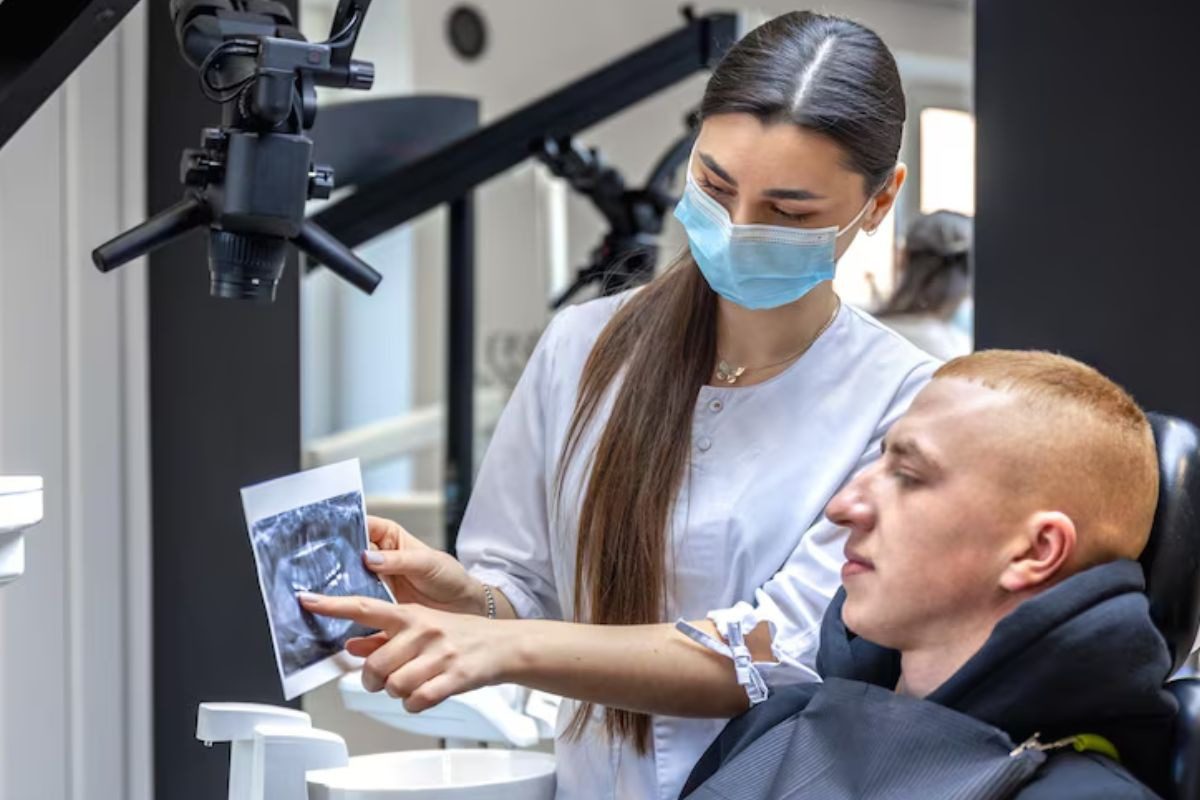
Dental X-rays can help your dentist assess the bone around your implants and identify problems that cannot be seen by looking inside your mouth. You may not need X-rays at every visit. Your dentist will decide when they are needed based on your oral health.
What Can a Dentist Detect During Follow-Up Visits?
A dentist in Weymouth can assess both the implants and the fixed denture to identify concerns before they become more difficult to manage.
During a dental check-up, the dentist may find:
- Sore or swollen gums: Red or bleeding gums may mean irritation or early gum problems.
- Bone loss: X-rays may show that the bone around an implant is weakening or shrinking.
- Loose parts: A screw or other part may need tightening or replacement.
- Denture damage: Cracks, worn parts, or a loose fit may mean your denture needs to be fixed.
- Cleaning problems: Some areas may be hard to clean. Your dentist may suggest special tools or show you how to clean them better.
The care you need depends on what your dentist finds. A problem does not always mean the implant is failing. Getting it checked early helps your dentist find the cause and choose the right treatment.
How Can You Care for a Hybrid Denture Between Visits?
Daily cleaning helps control plaque around the implants and under the denture. A dentist near you can show the best way to clean the specific denture design.
Helpful habits include:
- Brush the denture and accessible surfaces around the implants as instructed.
- Use suitable interdental brushes or other cleaning tools to reach underneath the denture.
- Follow the recommended routine for cleaning the gums and tongue.
- Go for regular dental check-ups, even if everything feels fine.
- Contact your dentist if your denture feels loose, hurts, or breaks.
Do not try to tighten screws or fix the denture yourself. Let your dental team check and repair it to prevent more damage.
When Should You Arrange an Earlier Dental Visit?
Do not wait for your next dental visit if you notice ongoing bleeding, swelling, pain, pus, a bad taste in your mouth, or a change in how your denture fits. These signs do not always mean an implant has failed, but you should contact your dentist as soon as possible.
A dentist near you can assess the cause and recommend suitable care. Early attention may help protect the surrounding tissues and denture components.
Keep Your Hybrid Denture in Good Condition!
Regular monitoring helps protect the implants, maintain healthy gums, and keep a fixed denture working as intended. Weymouth Dental Arts can assess your implant-supported denture and help you maintain it with a care plan suited to your needs.
Schedule your dental check-up today to support the health and function of your hybrid denture.
FAQs:
How often should hybrid dental implants be checked?
How often you need check-ups depends on your oral health and how well you clean your implants. Follow your dentist’s advice and book a visit sooner if you notice any problems.
Can an implant have a problem without causing pain?
Yes. Early gum inflammation or changes in the supporting bone may not cause noticeable pain. Regular examinations help identify concerns that may otherwise go unnoticed.
Are X-rays needed at every implant check-up?
No. X-rays are taken when they are useful for checking bone levels or investigating a concern. The need and timing depend on the clinical assessment.
Can a hybrid denture become loose even if the implants are healthy?
Yes. A screw, attachment, or denture part may loosen or wear even when the implants remain stable. A dental examination can identify the cause.