
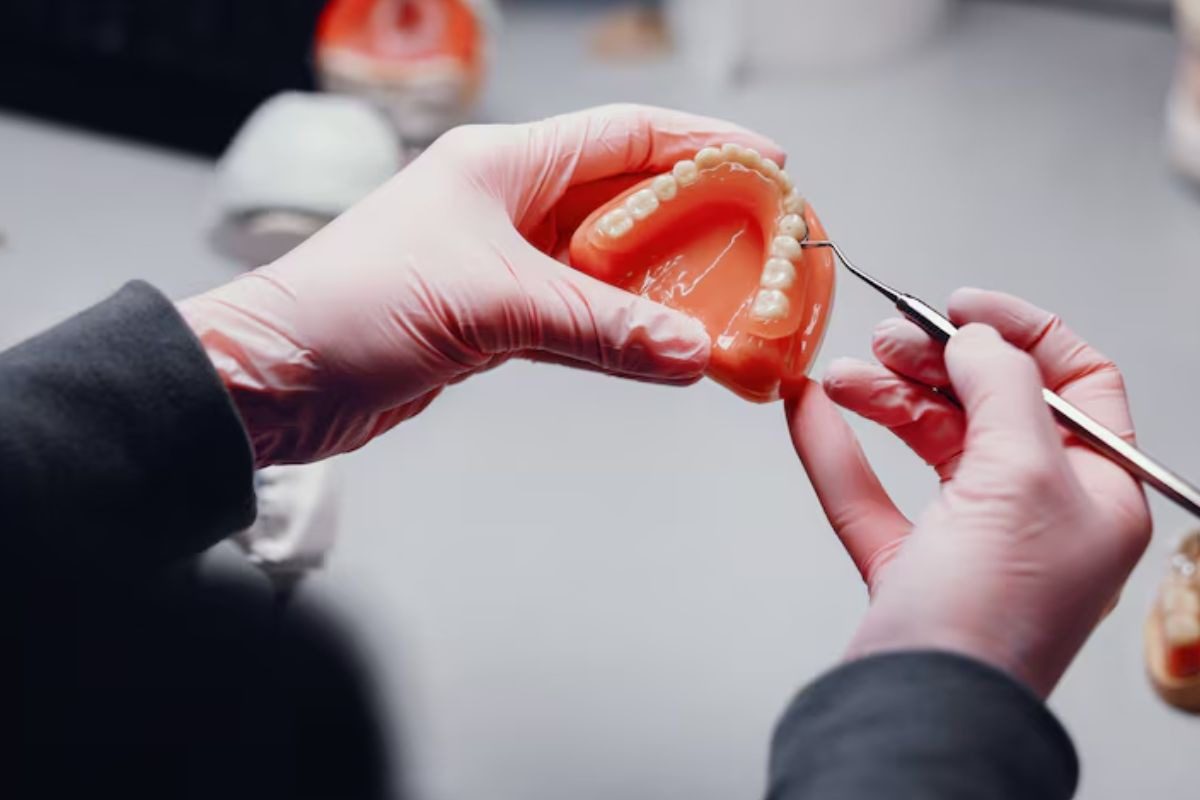
When you have a root canal, your dentist removes the infected part inside your tooth and cleans it out. After this treatment, your tooth becomes weaker and softer. This is why a crown after endodontic treatment is so important. A crown is like a protective cap that covers your entire tooth. It keeps your tooth safe from breaking. Without this cap, your tooth could crack or snap, and you might lose it completely. The good news is that crowns work really well and can help your tooth stay strong for many more years.
What Happens During a Root Canal?
A root canal is done when the inside of your tooth gets infected or hurts a lot. A dentist at a dental office near you carefully removes the infected part from inside the tooth. Then they clean it out and fill it with special material. This treatment saves your tooth instead of having it pulled out. However, after this treatment, your tooth is not as strong as before. The living part inside your tooth is gone, so the tooth becomes dry and weak. This is why you need a crown to protect it.
Think of it this way: a live tree branch bends when you push it. A dead, dry branch snaps easily. Your tooth is similar after root canal work. It needs a protective cap, just like dental crowns can provide, to keep it safe when you chew and bite down on food.
Why Your Tooth Really Needs a Crown After Root Canal
After root canal treatment, your tooth loses its strength. When you chew hard foods like nuts or apples, the force goes straight to the weakened tooth. Without a crown, the tooth can crack or split. Once this happens, the tooth usually cannot be saved and must be removed.
A crown is a tooth-shaped cap made of strong materials. It sits on top of your treated tooth and covers it completely. When you chew, the crown takes all the pressure. The weaker tooth underneath stays protected, and thus protecting root canal-treated teeth is a function of the crown. This is the most important reason to get a crown after root canal work.
A crown does many important jobs:
- Keeps new bacteria from getting inside your tooth
- Stops your tooth from cracking or breaking
- Makes your tooth look like a normal tooth
- Lets you eat all the foods you like
- Prevents you from needing more dental work later
- Helps your tooth last for many more years
When you visit a comprehensive dental care or any trusted dental practice, your dentist will explain exactly why your tooth needs this protection.
The Steps From Root Canal to Getting Your Crown
Step 1: Right After Root Canal Treatment
Your dentist puts a temporary filling in your tooth. This is not meant to last forever. You must come back soon to get your permanent crown.
Step 2: Preparing Your Tooth
At your next visit, your dentist removes the temporary filling and shapes your tooth. They take pictures or scans to make a crown that fits perfectly.
Step 3: Getting a Temporary Crown
While your real crown is being made, your dentist puts a temporary crown on your tooth. This gives some protection while you wait.
Step 4: Placing Your Permanent Crown
When your real crown is ready, your dentist takes off the temporary one. They check that the permanent crown fits just right. Then they cement it on permanently.
What Makes a Good Crown
A quality crown should do all of these things:
- Fit so well that you do not notice it
- Look exactly like your real tooth
- Feel comfortable when you bite
- Last for 10 to 15 years or longer
- Fully protect your tooth
- Let you chew everything normally
How to Take Care of Your Crown After It Is Put On
Taking care of your crown is simple. Brush it twice a day like your other teeth. Gently floss around it. Do not chew on hard things like ice, hard candy, or hard nuts. Do not use your teeth to open things. These simple habits help your crown last for many years.
Understanding Why This Protection Matters So Much
Root canal treatment saves your tooth when it is sick or damaged. But getting just the root canal is not enough—your tooth needs a crown to stay safe. Think of it like this: if you break your arm, you get a cast. You do not take the cast off early and hope your arm gets better on its own. That would not work. Your tooth is the same. Without a crown, your weakened tooth will not heal properly and could break.
Many people skip the crown because they think it costs too much. But losing your tooth costs much more money and causes much more trouble. Getting a crown is actually saving your tooth and your money in the long run.
Finish Your Treatment the Right Way
Do not leave your root canal treatment incomplete. Your tooth has already been through a lot, and it needs the crown to be fully protected. A crown is not something extra—it is the final and necessary step. Without it, you risk losing the tooth that your dentist worked so hard to save. Getting a crown keeps your tooth alive and working for many more years.
Complete Your Smile and Protect Your Tooth at Weymouth Dental Arts
A root canal can save a tooth, but a crown will help protect your tooth. At Weymouth Dental Arts, we can restore your tooth so you are able to chew comfortably again using a dental crown. If the tooth isn’t crowned, it can weaken and fall out.
If you’ve had or need a root canal, contact us to explore your crown options and protect your smile.
Frequently Asked Questions:
How soon after a root canal do I need to get a crown?
You should get your crown within 2 to 4 weeks after your root canal, before your temporary crown falls apart or your tooth gets damaged.
What material should my crown be made from?
Porcelain and porcelain-fused-to-metal crowns work best because they are strong and look like real teeth.
What happens if I wait a long time before getting my crown?
Your tooth will probably crack or break, which means you could lose it completely and have to have it removed.
Do I need to clean my crown differently than my real teeth?
No, you take care of a crown the same way as your real teeth brush twice a day, floss gently, and visit your dentist regularly.