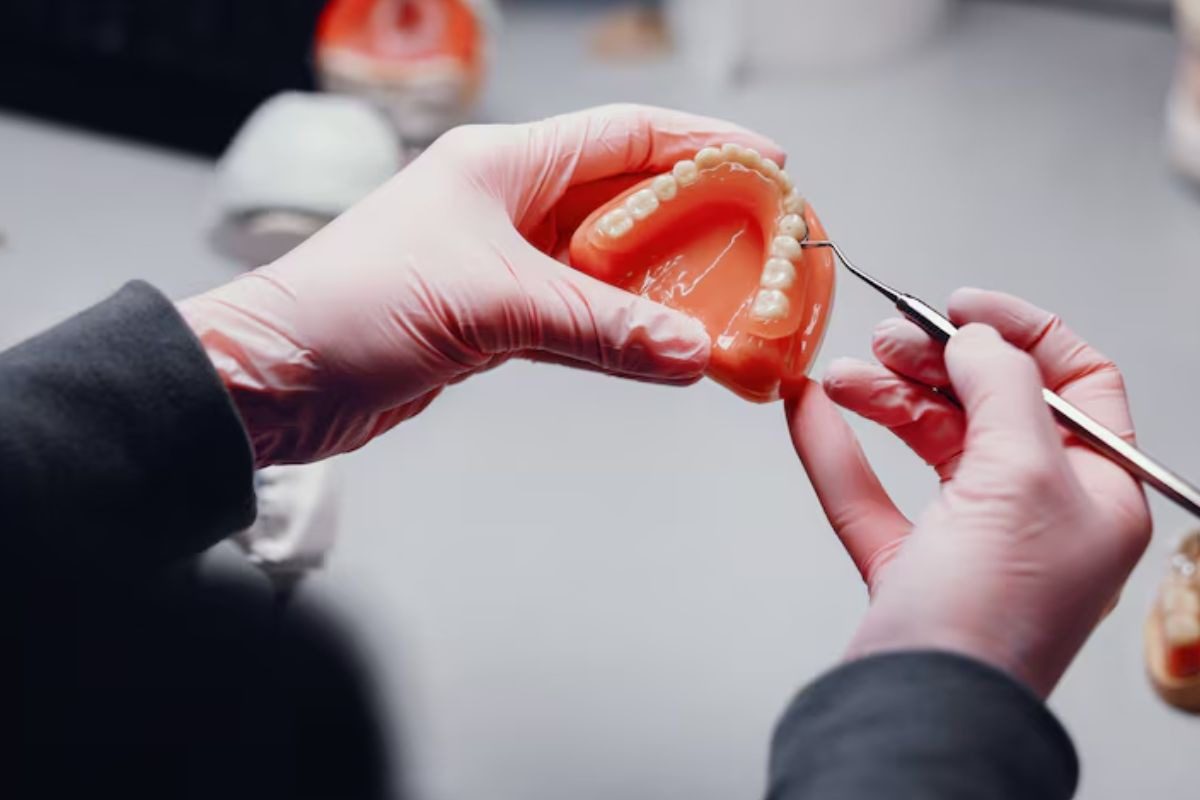
Looking for dental crowns Weymouth? Our team provides strong, aesthetic restorations and reliable dental crowns near you for lasting comfort.

Top Benefits of Getting Dental Crowns in Weymouth for Damaged or Decayed Teeth

Teeth can weaken over time due to decay, cracks, or old fillings. When this happens, restoring strength and appearance becomes important.

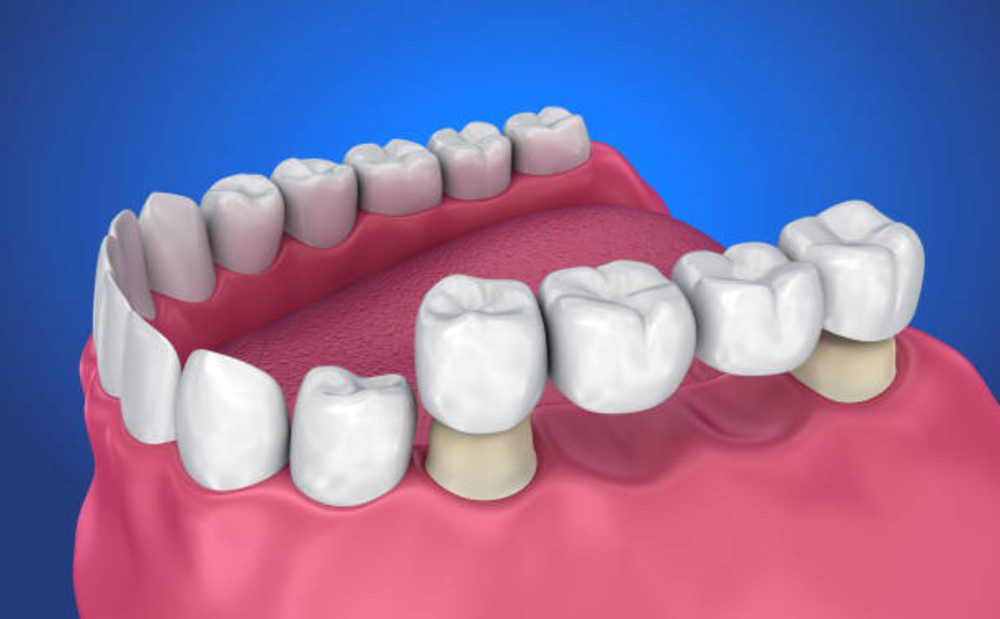
That is why many patients choose dental crowns in Weymouth. Crowns protect weak teeth, improve chewing, and bring back a natural-looking smile.

If you have a damaged tooth, learning how crowns work can help you make the right choice for your oral health.

Why Protecting a Weak Tooth Matters

A damaged tooth may seem small at first, but over time, the problem can grow.

When a tooth breaks down, it becomes harder to chew, and the crack or decay can spread. Choosing treatment early can help you avoid pain, infection, or tooth loss.

Getting guidance from a dentist in Weymouth gives you the chance to protect your tooth before the damage becomes more serious.

Crowns Restore the Strength of Your Tooth

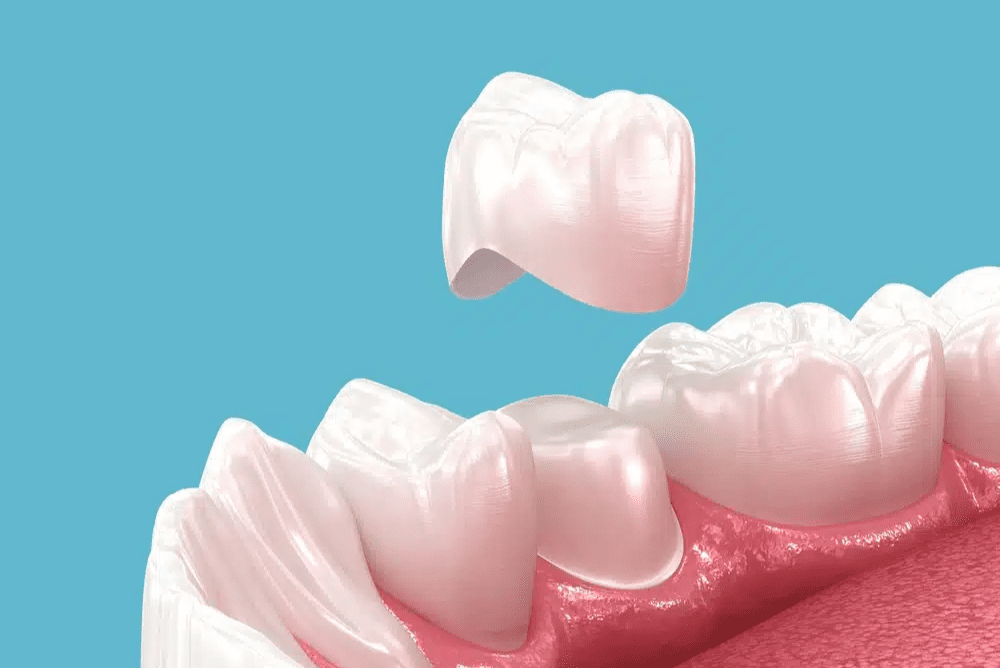
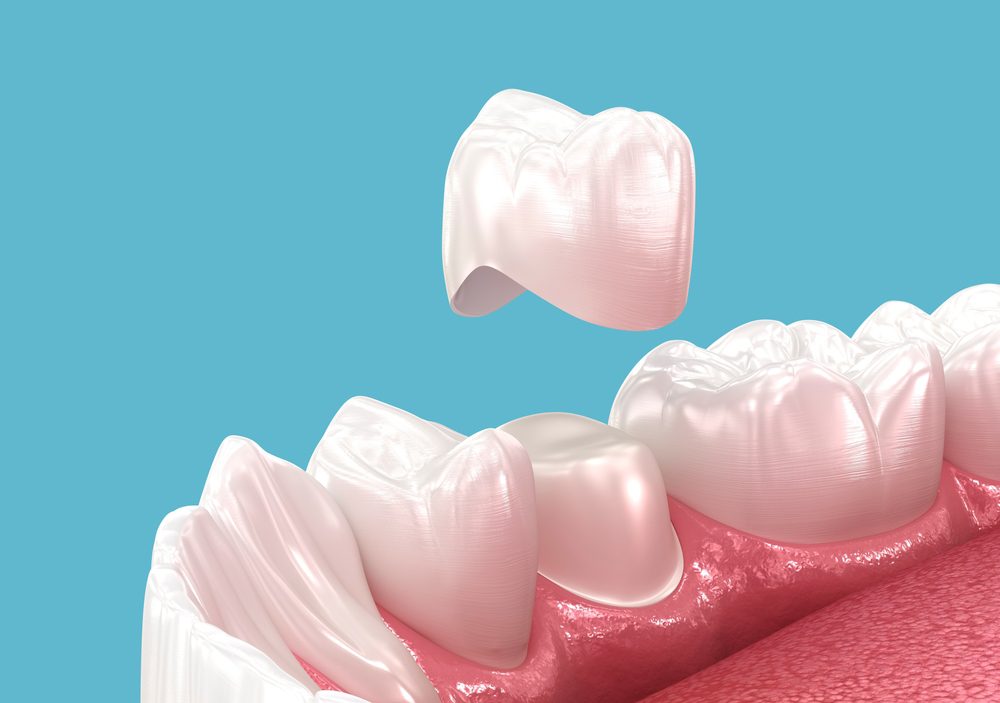
One of the biggest benefits of a crown is strength. A crown covers your entire tooth like a protective shell. This helps you bite and chew comfortably again. The tooth becomes more stable and less likely to crack.

If you want to learn more about local solutions, visiting a dentist near you can help you understand how a crown supports long-term oral health.

Crowns Improve the Appearance of Your Smile

Crowns are not just strong, they look natural too. They are made to match the shade and shape of your real teeth. If your tooth is chipped, discoloured, or worn down, a crown can make it look new again.

Talking to a dental office near you is a good way to explore different crown materials and see which one fits your smile goals.

Crowns Help You Chew and Speak Normally Again

A broken or weakened tooth can affect everyday actions like eating or talking. Because a crown provides full coverage, it helps restore normal function.

Once in place, most patients say chewing feels easier and more comfortable.

If you want a treatment that repairs strength without removing the tooth, choosing dental crowns near you is a helpful step.

Crowns Stop Further Tooth Damage

One hidden benefit of crowns is prevention. When a tooth has a deep crack or a large cavity, bacteria can spread deeper into the tooth if it stays unprotected.

A crown seals the tooth and blocks bacteria from entering, making it one of the right options for long-term tooth protection.

Crowns Last for Many Years

With proper care, dental crowns can last for 10-15 years or longer. Brushing, flossing and visiting the dentist regularly will help you keep your crown and surrounding gum tissue healthy.

Crowns remain one of the most durable and reliable dental restorations available today. A well-made crown placed by a trusted team can last for years while keeping your tooth strong.

What to Expect During the Crown Procedure

The process is simple and usually involves:

  1. An exam and tooth preparation
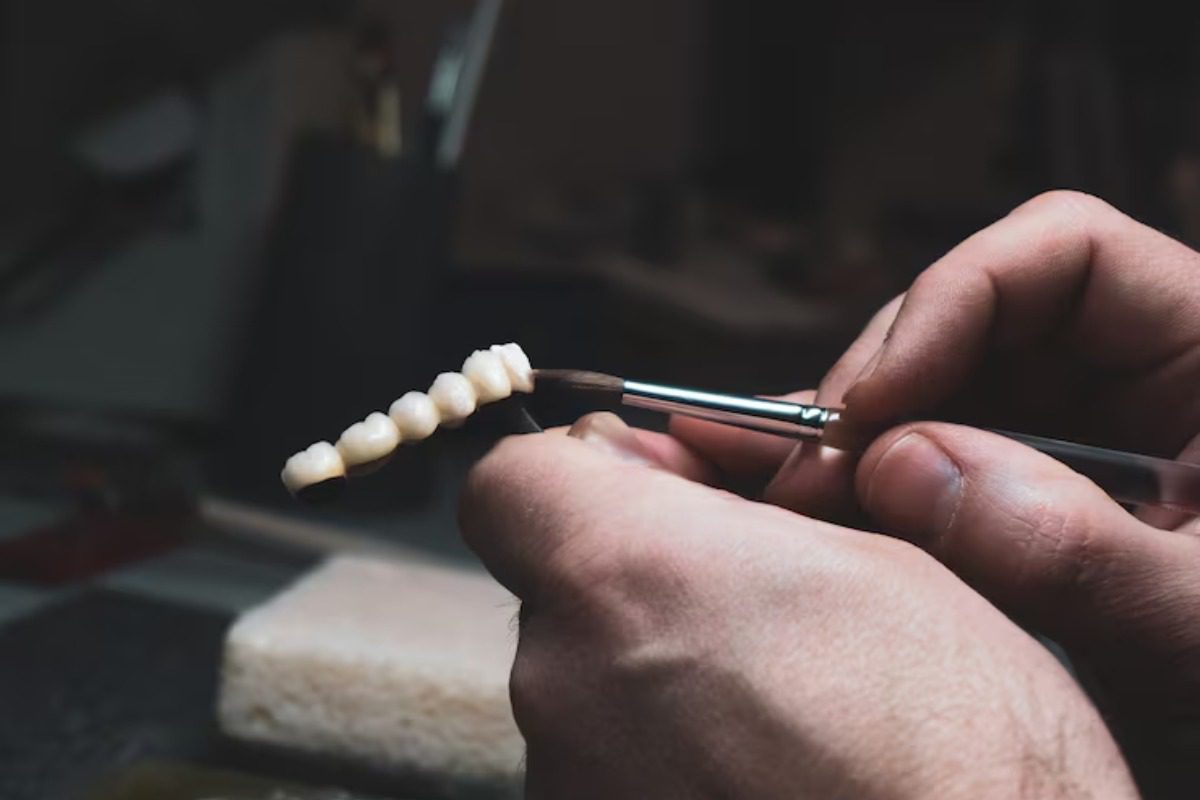
  2. Impressions to create your custom crown
  3. A temporary crown to protect the tooth
  4. Placement of your final, permanent crown

Once your new crown is placed, you can eat and smile naturally again.

Restore Your Smile with Weymouth Dental Arts

If you want a strong, comfortable, and natural-looking solution for damaged teeth, dental crowns are one of the best options.

At Weymouth Dental Arts, you’ll receive personalized care to help you protect your smile and enjoy long-lasting results.

Book your visit today and take the first step toward a healthier, stronger smile.

FAQs

Are dental crowns painful to get?

Most patients feel only mild pressure during the procedure. Numbing makes the process comfortable.

How long does it take to get a crown?

Most crowns require two visits, one for shaping and impressions, and one for placement.

Can I eat normally with a crown?

Yes. After your final crown is placed, you can return to normal biting and chewing.

Do crowns look natural?

Absolutely. Crowns are custom-made to match your natural tooth colour and shape.

types of dental crowns which one is best for you

Types of Dental Crowns: Which One Is Best for You?

Do you ever feel unsure about what type of dental crown is suitable for your tooth problem? You’re not the only one. Most likely, we’re all stuck on this question when our dentist recommends a crown to fix a cracked, fractured, or broken tooth. Crowns are a frequent dental procedure, but choosing the best one is based on your dental condition, aesthetic requirements, and budget. We categorize the types of dental crowns for your teeth so that you can make an informed choice and be satisfied with your treatment.

What Are Dental Crowns

Crowns are tooth caps that are put over natural teeth to restore their form, size, strength, and appearance. A crown covers the visible portion of a tooth and assists in preventing it from being further damaged. Cracked, broken, or worn teeth or teeth with big fillings or root canal work are typically recommended for crowns by dentists. Crowns can be constructed out of countless various materials, which have their strengths, appearances, and advantages.

Porcelain Crowns for Natural Appearance

Porcelain crowns are among the most popular choices because they closely match the color of natural teeth. These crowns are ideal for front teeth or areas of your mouth that are most visible when you smile or talk. While porcelain crowns look great, they are not as strong as other materials, so they may not be the best choice for back teeth that do a lot of chewing. If appearance is a top priority, porcelain is a great option to consider in your list of dental crown options.

Metal Crowns for Long-Term Durability

Metal crowns are made from alloys that may include gold, nickel, or chromium. These crowns are extremely strong and can last for many years without wearing down. Dentists usually place metal crowns on molars because these teeth need the most strength for chewing. Metal crowns do not blend in with natural teeth, so they are not usually chosen for visible areas of the mouth. However, their durability and long life make them a reliable option, especially for patients who value function over appearance.

Book your appointment today for expert dental care in Weymouth!

Book Appointment Call Us

Porcelain-Fused-to-Metal (PFM) Crowns for Balance

Porcelain-fused-to-metal crowns combine the strength of metal with the natural appearance of porcelain. These crowns are made with a metal base that is covered with a layer of tooth-colored porcelain. This design makes them a great middle-ground option. They are stronger than full porcelain crowns and look better than all-metal crowns. Over time, the metal underneath may show at the gum line, but for many people, this is a small trade-off for the benefits they offer. If you are interested in both durability and appearance, this could be the right fit when choosing the right dental crown.

Resin Crowns for Affordability

Resin crowns are made from composite materials and are usually the least expensive type of crown. They blend in well with natural teeth and can be applied quickly. However, they are not as durable as metal or porcelain crowns and may wear down or break sooner. These crowns are a good short-term option or may be used as a temporary crown while waiting for a more permanent one to be made. If budget is a concern and you need a fast solution, resin crowns are worth considering.

Same-Day Crowns for Convenience

Thanks to modern technology, some dental offices now offer same-day crowns. These are typically made from ceramic using digital impressions and 3D milling machines. The benefit of this method is speed. You can walk in with a damaged tooth and leave with a fully restored one on the same day. Same-day crowns are strong, natural-looking, and convenient, but they may not be available at all dental offices. They are often used for emergencies or when you need quick cosmetic repairs.

Gold Crowns for Back Teeth

Gold crowns have been used for many years and are known for their durability and long life. They are a mix of gold and other metals and are usually placed on molars that are not visible when smiling. Gold crowns cause very little wear to surrounding teeth and are unlikely to chip or break. Some people prefer the classic look of gold crowns, while others may not want the metal to show. They are an excellent option if you want strength and comfort in a back tooth.

Choosing Based on Location and Function

When choosing the best crown for your needs, think about the location of the tooth, your budget, and how much pressure the tooth takes during chewing. For example, front teeth benefit from porcelain crowns due to their appearance, while molars may need a stronger material such as metal. A professional dentist in Weymouth can help guide you through your options and recommend the best type based on your dental health and lifestyle. An exam and consultation are the first steps in selecting the right crown.

Crowns Are Custom-Made for You

One important thing to remember is that dental crowns are not one-size-fits-all. Your dentist will take impressions of your teeth to make sure the crown fits perfectly. Each crown is tailored to match your bite and smile, so the final result is comfortable and natural-looking. Dental crowns are not only about fixing teeth but also about improving your quality of life. A strong, attractive crown can help restore your confidence and let you eat and speak without worry.

Take the First Step Toward a Healthier Smile

To review, understanding the different types of crowns helps you make the best decision for your teeth and your health. Whether you need a crown for protection, repair, or appearance, the right option is out there for you. At Weymouth Dental Arts, our caring team is ready to help you explore your crown options and guide you toward the right choice for your smile. Schedule a visit today to learn more and take the first step toward restoring your dental health with confidence.
dental crown procedure what to expect

Dental Crown Procedure: What to Expect

Dental crowns are one of the most widely used restoration or repair treatments for tooth restoration; for example, for previously damaged, weakened, or broken teeth. They fill, complete, ornate, seal, and strengthen the tooth while restoring an aesthetic appearance. 

Therefore, if you are interested in getting dental crowns in Weymouth, you probably have a million questions regarding the process.

Being adept at what happens at every step helps with the anxieties and prepares one well for the entire journey towards a healthier smile.   

What is a Dental Crown?

A dental crown, which is an artificial covering that is customized to fit the shape of a tooth, gives that tooth its original size, shape, strength, and appearance.

When a tooth cannot be successfully repaired with an onlay or filling, crowns are typically advised. All of the tooth’s exposed surface above the gum line will be covered by the crown.

Why Would You Need a Dental Crown?

The dental crown has several important purposes.

  • Restore a Broken or Worn Tooth: Bones and teeth with visible fracture lines or worn surfaces can be restored using crowns.
  • Protect a Weakened Tooth: They keep decayed or filled teeth from breaking or splitting apart under stress.
  • Cover a Dental Implant: A crown caps an implant, simultaneously replacing a tooth.
  • Improve Aesthetic Beauty: A discoloured or oddly shaped tooth can affect a beautiful smile.

Step-by-Step Procedure of Dental Crown

Learning about the dental crown treatment can help adjust your expectations:

Initial Consultation

  • The affected tooth and surrounding tissues will be examined by your dentist.
  • These images will be utilized to assess the tooth’s bone structure and roots in order to determine whether a crown is necessary.

Preparation of the Tooth

  • Local anesthesia is used to numb the area.
  • Make room for the crown, the tooth is reshaped. The type of crown being utilized determines how much enamel needs to be removed.

Impressions

  • Create an exact crown model, an impression of the prepared tooth and neighbouring teeth is taken.
  • Preserve the tooth while it waits for the permanent crown, a temporary crown may occasionally be placed over it.

Crown Fabrication

  • The crowns can thus be metal, porcelain-fused-to-metal, all resin, or all ceramic. The selection varies based on durability, aesthetics, and metal allergies an individual might have.
  • An impression is sent to a dental laboratory where technicians craft the crown to match the specifications in your tooth.

Placement of Permanent Crown

  • After preparing this, the temporary crown will be taken off, and the permanent crown will go in to check if it fits as desired and feels comfortable.
  • If the fit is fine, the crown will be permanently cemented into place.

What to Expect After the Procedure

Although post-procedure sensations can differ, typical elements consist of:​

  • Sensitivity: Feeling a little overwhelmed by extremes of temperature is normal. It might be beneficial to use toothpaste made especially for sensitive teeth.
  • Soreness or pain: There may be some discomfort in the treated area. Painkillers sold over the counter can lessen this.
  • Adjustment Time: It could take a few days to become acclimated to the new crown’s feel. Ask your dentist for adjustments if your bite seems strange or if the pain doesn’t go away.

Caring for Your Dental Crown

Your crown’s lifespan can be increased with proper care:​

  • Maintain Dental Hygiene: To avoid plaque accumulation around the crown, brush and floss twice a day.
  • Avoid Hard Foods: To avoid breaking the crown, avoid chewing on ice or hard foods.
  • Frequent dental examinations: To keep an eye on the crown and general oral health, schedule routine dental checkups.

Potential Risks and Complications

Dental crowns are usually safe; however, be mindful of some problems:​

  • Crowns have the potential to chip or loosen with time. Get in touch with your dentist right away if this occurs.
  • Rarely, people may experience allergic responses to the materials that are used to make crowns. Be willing to disclose any known allergies beforehand.
  • If dental hygiene is neglected, decay may develop along the crown’s edge. To avoid this, cleaning must be done frequently.

Wrapping Up!

At first, getting a dental crown could sound scary, but it can be much simpler if you know what to do. The goal of the dental crown treatment procedure is to preserve your tooth and repair your smile from the first consultation to the last fitting.

In addition to enhancing appearance, the dental repair procedure aids in preventing further decay or damage.

If you take good care of your crown, it can give you confidence and strength in your bite for many years to come.

Your Smile Needs Professional Attention

Working with a reputable Weymouth dentist who can professionally and compassionately walk you through the procedure is crucial if you’re thinking about getting dental crowns.

To begin the process of improving your oral health, schedule a consultation with Weymouth Dental Arts. 

781-650-7599