
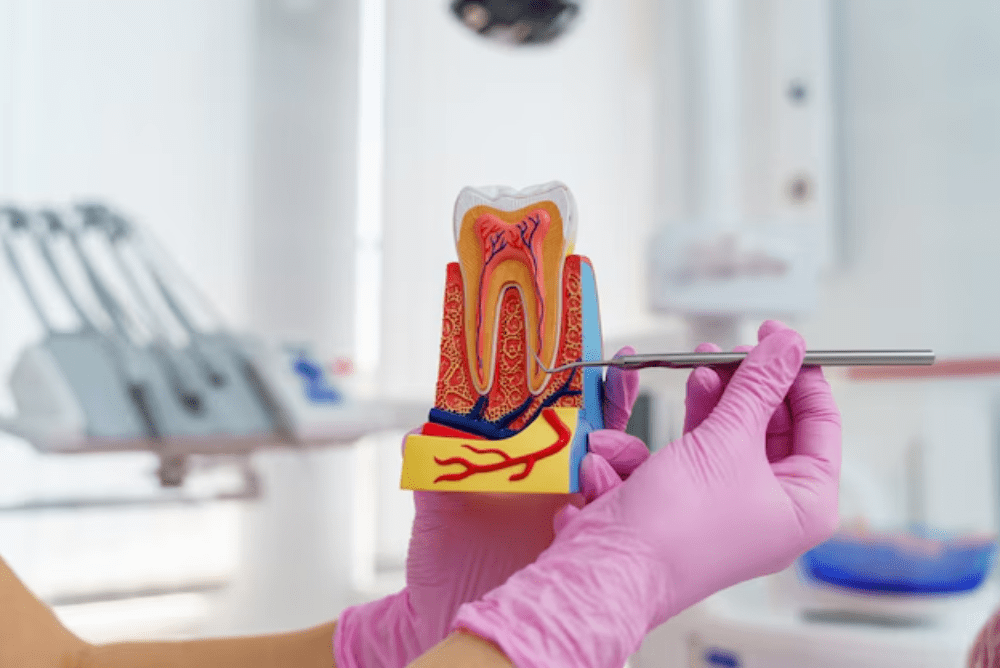
A toothache can feel small at first, but when the pain grows and doesn’t fade, it becomes difficult to ignore.
Many people delay treatment until the discomfort becomes unbearable, but doing so can put their oral health at risk.
If you’ve been experiencing ongoing symptoms or suspect deeper dental issues, understanding when to act makes all the difference.
When a tooth is infected or severely damaged, getting the right treatment early is essential.
That’s why learning the signs that may indicate you need a root canal in Weymouth can help you protect your smile and avoid unnecessary complications.
5 Major Indications That You Need to See a Root Canal Specialist
Persistent Tooth Pain
Lingering tooth pain, especially one that worsens with chewing or pressure, is a common indication that something deeper may be affecting the tooth.
If the discomfort continues for days and disrupts your daily routine, it may be time to consult a root canal specialist near you for an evaluation.
Sensitivity to Hot or Cold
Sudden sensitivity can happen occasionally, but long-lasting pain from hot soups, cold drinks, or even room-temperature foods is a sign of possible nerve involvement.
When sensitivity lingers long after the food or drink is gone, scheduling a visit with a dentist in Weymouth becomes important.
Swelling, Redness, or Gum Tenderness
Inflammation around a tooth is often your body’s way of signalling infection.
Swelling on the gums, tenderness when touching the area, or slight discoloration are early warning signs.
Getting timely care from a dentist near you can help prevent the infection from spreading.
Darkened Tooth or Visible Damage
A tooth that starts to look darker than the surrounding teeth often indicates internal decay or a dying nerve.
Visible cracks, chips, or past injury can also lead to deeper complications. Early assessment at a dental office near you ensures the tooth is saved before the damage worsens.
Pimple-Like Bump on the Gums
A gum boil or pimple-like bump near a tooth often points to an abscess.
This is usually a more serious sign of infection that requires immediate attention. Delaying treatment may result in severe pain or bone damage.
Normal Discomfort vs. Signs of Infection
| Symptom | Normal | Concerning |
| Sensitivity | Brief, lasts seconds | Lingers for minutes or longer |
| Pain | Occasional mild discomfort | Sharp, throbbing, or constant |
| Gum changes | Slight redness | Swelling, bump, or pus |
| Tooth color | Normal | Darkened or grayish shade |
Why Early Treatment Matters
Root canal infections don’t resolve on their own. Early diagnosis prevents further decay, reduces pain, and preserves the natural tooth.
Ignoring symptoms increases the risk of spreading infection, tooth loss, and more complex treatments in the future.
Protect Your Smile Before the Pain Gets Worse
When symptoms start to interfere with your daily life, waiting is never the answer. Your oral health depends on quick action, proper diagnosis, and the right treatment.
If you’re noticing any of the signs listed above, getting the right care can save your tooth and prevent future complications.
Weymouth Dental Arts is here to help you find relief quickly and comfortably.
Our team provides compassionate, precise care so you can get back to smiling confidently. Schedule your visit today and take the first step toward a healthier, pain-free smile.
FAQs
How painful is a root canal procedure?
A root canal process can help you reduce pain, not create it. Modern tools and anesthesia can make the process feel comfortable, with most patients feeling just a mild pressure during treatment.
What happens if I ignore an infected tooth?
Delaying treatment can allow the infection to spread to surrounding tissues, leading to severe pain, swelling, and even tooth loss. Early care helps protect your overall oral health.
Can a treated tooth last a lifetime?
Yes. With proper oral hygiene and routine dental checkups, a tooth that receives root canal therapy can remain strong and functional for many years.