teeth whitening

How Often Should People Have Professional Teeth Whitening?

Tooth whitening is still the leading aesthetic procedure in dentistry. However, the American Dental Association has yet to have a specific guideline regarding how often people should whiten their teeth. Instead, they do have considerations and factors on who should get them.

For example, dentists should consider their patient’s lifestyle, socioeconomic status, and present oral health before teeth whitening. Therefore, patients doing over-the-counter bleaching products at home should stay cautious for their safety.

When Do I Need Professional Whitening Treatment?

Whitening your teeth can enhance your appearance and give you a boost of confidence. However, tooth whitening is not for everyone. Therefore, you should consider the pros and cons of teeth whitening before you decide to get one.

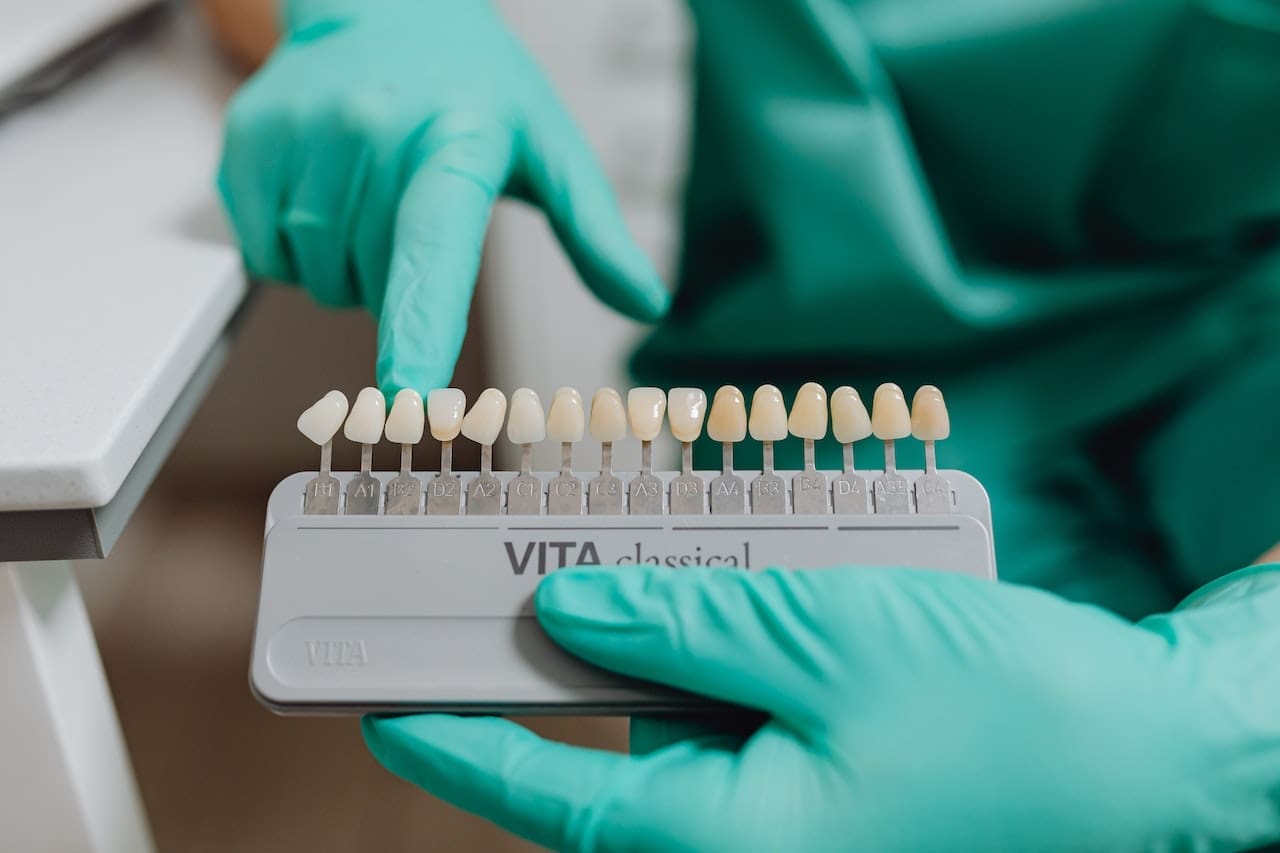
If your teeth are yellow and stained, you can have a professional teeth whitening procedure. Other than that, you can have a professional whitening procedure if your teeth are slightly discolored.  Meanwhile, patients can have a touch-up procedure if they have had whitening.

What Should I Expect Before, During, and After the Treatment?

For those getting their teeth whitened for the first time, it’s best to consult your dentist to see if you are a good candidate for teeth whitening. Patients experiencing various periodontal diseases, tooth decay, cavities, and roots are also ineligible for teeth whitening procedures.

During the treatment, your dentist will apply a bleaching gel to your teeth and then use a special light to activate the gel, containing a special bleaching agent. Afterward, they will use a special light to activate the gel and break down the bleaching agent to make it more effective.

Lastly, the dentist will remove the gel and any remaining stains. Patients may need to repeat the treatment several times to achieve the desired results. After the treatment, they may also experience some sensitivity in their teeth, which should go away within a few days.

Is Touching Up Using At-Home Bleaching Kits Safe?

Patients should consult their dentists before using any at-home teeth whitening kits. In most cases, at-home teeth whitening kits will not give you the same results as professional teeth whitening treatments. However, they may help you maintain your smile by touching your teeth.

If you are considering using an at-home teeth whitening kit, you must consult your dentist to ensure that you use the suitable kit for your teeth. At-home teeth whitening kits may not be as effective as professional teeth whitening treatments, but they can still do the job.

Do Teeth Whitening Procedures Have Risks?

Teeth whitening is a cosmetic procedure that involves bleaching your teeth to make them look brighter. Although it is a general procedure, it is essential to know some risks associated with teeth whitening, like sensitivity, irritation, and allergic reactions.

How Long Do the Teeth Whitening Results Last?

The results of teeth whitening procedures can last for several years. However, the results may vary depending on the individual. Some people may need to have their teeth whitened more often than others. It all depends on how people care for their teeth, especially the food they eat daily.

Conclusion

Teeth whitening is a quick and easy way to brighten your smile. The procedure is also safe and effective. However, it is essential to be aware of the risks associated with teeth whitening. If you are considering teeth whitening, talk to your dentist first. They can help you determine the best way to achieve your desired results.

Weymouth Dental Arts is a dental office offering dental emergency treatments for patients. But aside from saving the teeth, we also try to make them pretty by providing professional teeth whitening services. Book an appointment with the best dentist near you and get smiling better today.
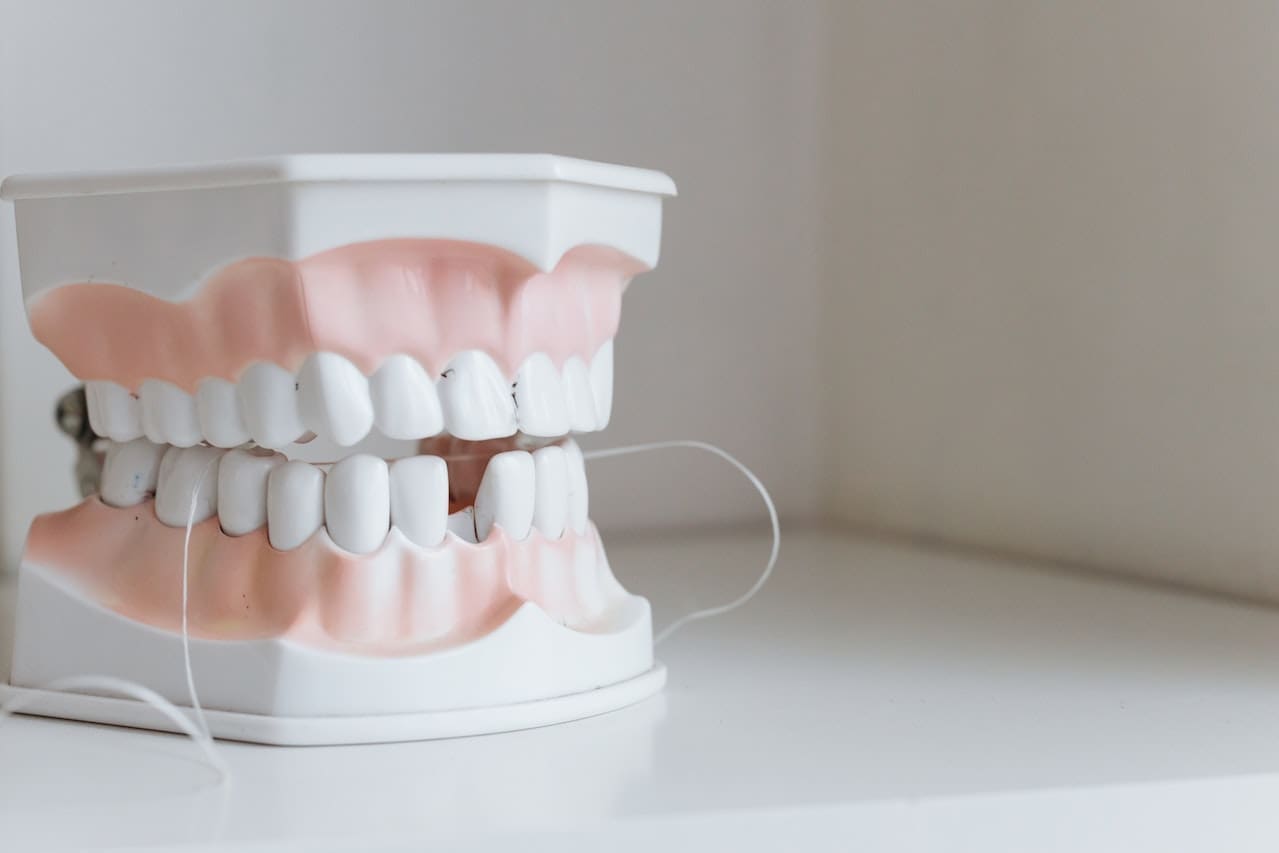
teeth

How Long Does a Partial Denture Last?

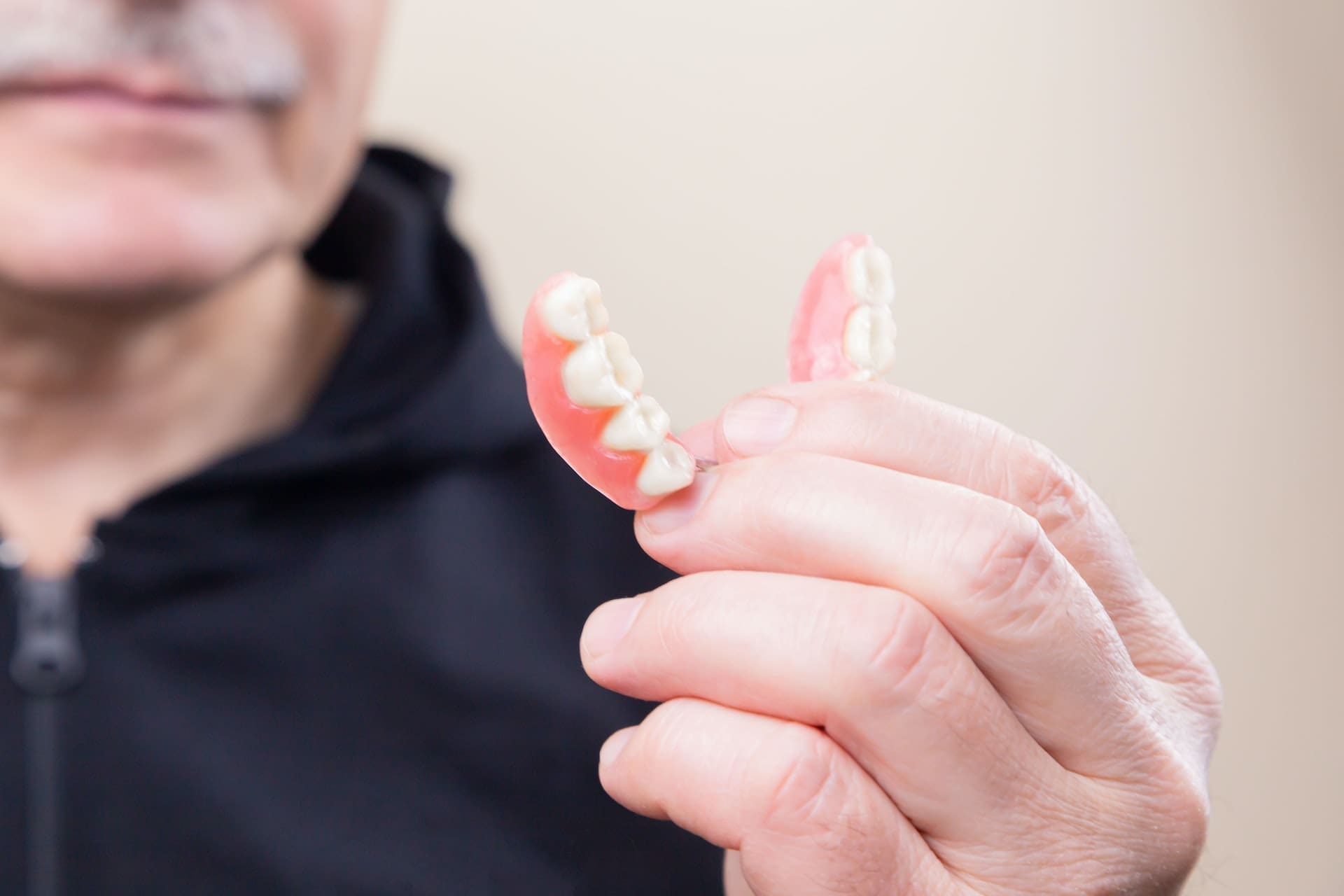
A partial denture is a removable dental appliance that is used to replace missing teeth. They are usually made of plastic and metal and are custom-made to fit your mouth. Partial dentures can be used to replace one or more missing teeth, and they are usually held in place by your natural teeth. However, partial dentures are not permanent solutions for missing teeth. In fact, there will come a time when dentures will need to be replaced. Let’s look at the average lifespan of partial dentures, so you know when it’s time to get a new one.

How Long Does a Partial Denture Last?

A partial denture is usually worn for several years, but it will eventually need to be replaced. The exact lifespan of a partial denture depends on several factors, such as the type of partial denture, the material it is made of, and how well it is cared for.

The most common type of partial denture is a removable partial denture (RPD). RPDs are made of a metal framework with artificial teeth attached. They are the least expensive type of partial denture and are typically covered by dental insurance.

The lifespan of an RPD depends on the material it is made of and how well it is cared for. The average lifespan of an RPD made of acrylic is 5 to 7 years. The average lifespan of an RPD made of metal is 10 to 15 years.

RPDs made of metal are more durable than those made of acrylic and are less likely to break. They are also more expensive.

Factors That Affect the Durability of a Partial Denture

While partial dentures are a great way to restore the function and aesthetics of your smile, it’s important to note that they are not permanent. However, there are several factors that can affect the durability of your partial denture, and some may cause it to need to be replaced sooner.

Here are some of the main factors that can affect the durability of your partial denture:

  1. The Material: The material of your partial denture can have a big impact on its durability. Partial dentures can be made from either acrylic or porcelain, and each material has its own advantages and disadvantages. Acrylic partial dentures are less expensive and easier to repair, but they are not as durable as porcelain partial dentures. Porcelain partial dentures are more expensive, but they are more durable and look more like natural teeth.
  2. The Fit: The fit of your partial denture is also important for its durability. If your partial denture does not fit well, it will put unnecessary stress on your remaining teeth and gums, which can lead to premature wear and tear. It’s essential to have your partial denture checked and adjusted by your dentist on a regular basis to ensure that it fits properly.
  3. Maintenance: The way you take care of your partial denture can also affect its durability. It’s important to brush your partial denture regularly with a soft-bristled toothbrush and mild soap to remove any food debris or plaque. You should also soak your partial denture in a denture cleaner overnight to keep it clean and free of bacteria. In addition, you should avoid using harsh chemicals or abrasives on your partial denture, as this can damage the material.
  4. Frequency of Use: The frequency of use is also an important factor in the durability of your partial denture. If you only wear your partial denture occasionally, it will not experience as much wear and tear as if you wear it all the time. As a result, it will last longer.

Conclusion

It is important to note that partial dentures are not as durable as full dentures. This is due to the fact that partial dentures rely on the remaining teeth for support, while full dentures are supported by the gums. A well-made denture that is properly cared for can last for many years, while a poorly made or poorly cared-for denture may need to be replaced much sooner.

If you need to get full or partial dentures, it’s best to work with a local dentist you can rely on. Weymouth Dental Arts cares a lot about your smile and believes that it deserves personalized dental care. Whether you need teeth whitening services, extractions, or partial dentures in Weymouth, MA, Weymouth Dental Arts is here for you. Book an appointment today or visit us at our office.

Book your appointment today for effective dental care in Weymouth, MA

Dentist

All about Sealants from a Children’s Dentist in Weymouth

Sealants are a type of dental treatment that involves applying a thin, protective coating to the teeth. This coating helps to protect the teeth from cavities and other types of damage. Sealants are often applied to the back teeth, as these teeth are more likely to develop cavities. However, sealants can also be used on other types of teeth, such as those with deep pits or grooves, which a children’s dentist may recommend for your young one.

Sealants and Children

School-age children (ages 6–11) without sealants have nearly three times more first molar cavities than those with sealants. And while the rate of children with sealants has risen over time, low-income children who are 20 percent less likely to have them are also two times more likely to develop untreated cavities than higher-income children. Take note that untreated cavities result in pain, infection, and problems eating, speaking, and learning. So states can help millions more children prevent cavities and other dental problems by starting or expanding programs that offer sealants in schools.

For parents with scared or concerned kids, there’s no need to worry. Sealants are easily applied to the back teeth’s chewing surfaces to protect them from decay. The sealant bonds directly to the tooth enamel and hardens, creating a barrier between the tooth, plaque, and acids. Sealants can last for several years before needing to be reapplied and are typically checked during regular dental visits.

The likelihood of developing decay in the pit and fissure areas of teeth begins early in life, so children and teenagers are especially vulnerable. However, adults can also benefit from sealants.

FAQs

Should your child get one?

Yes, according to the Centers for Disease Control (CDC), sealants can prevent up to 80 percent of cavities. This is because sealants act as a barrier, protecting the tooth’s surface from bacteria and other particles that can cause cavities.

The amount of bisphenol A (BPA) in dental sealants is insufficient to cause any harm. The American Dental Association (ADA) explains that you are exposed to more BPA by breathing in air, coming into contact with dust, touching a receipt, or using cosmetics than you are from dental sealants.

The only downside to getting dental sealants is a rare allergic reaction to the sealant material. If you’re concerned about this, talk to your dentist to see if dental sealants are the right choice.

When is the best time to do so?

We think getting dental sealants is good for kids between six and 14. This is because their first molars break through around age six, and their second molars appear around age 12. Sealing these teeth as soon as they come through will protect them from tooth decay. Sometimes, your dentist may even suggest applying sealants to baby teeth.

How durable are dental sealants?

They can last up to ten years with good oral hygiene and regular visits to a children’s dentist. However, your dentist will monitor their condition and suggest if they need to reapply sooner, depending on your lifestyle.

Conclusion

While sealants are appropriate for children’s oral health, always consult their dentist to determine if it’s the best solution. Frequently, only a re-establishment of good hygiene practices is needed to maintain the cleanliness of their pearly whites.

If You’re Unsure, Set an Appointment at Weymouth Dental Arts Today

Our children’s dentist in Weymouth will determine whether your kid needs sealants with our customized approach to dental care. Book now through our website!

Teeth Whitening

Laser Teeth Whitening: How It Works and Its Advantages

Laser teeth whitening is a popular cosmetic procedure that can be used to improve the appearance of your smile. The treatment involves using a laser to target and remove stains from your teeth, providing you with a brighter and more evenly-colored smile.

There are several benefits associated with laser teeth whitening, including the fact that it is one of the quickest and most effective ways to achieve whiter teeth. Laser teeth whitening is a relatively painless procedure, and there is little to no downtime associated with the treatment.

If you are considering laser teeth whitening, it is important to consult with a qualified cosmetic dentist to ensure that the treatment is proper for you. During your consultation, your dentist will assess your teeth and discuss your treatment goals to determine whether you are a good candidate for the procedure.

How Does Laser Teeth Whitening Work?

The process begins with a consultation with your dentist to ensure you are a good candidate for the procedure. If you are a good candidate, your dentist will take an impression of your teeth to create a mouthguard-like tray that will fit over your teeth.

Next, a bleaching gel is placed in the tray, and the tray is then placed over your teeth. A laser is then used to activate the gel, and the bleaching process begins. The entire procedure usually takes about an hour to complete.

Laser teeth whitening is safe and effective and can give you noticeably whiter teeth in just one treatment. If you are considering this cosmetic dental procedure, consult your dentist to see if you are a good candidate.

Book your appointment today for expert dental care in Weymouth!

Book Appointment Call Us

Benefits of Laser Teeth Whitening

Laser teeth whitening is one of the most effective and popular ways to achieve brighter, whiter teeth. Unlike other teeth whitening methods, laser teeth whitening can provide dramatic results in a short amount of time. If you are considering laser teeth whitening, here are some of the benefits that you can expect:

  1. Quick and easy: One of the main benefits of laser teeth whitening is how quick and easy it is. The entire treatment can be done in just one office visit, and you will see a noticeable difference in the whiteness of your teeth.
  2. Safe and effective: Laser teeth whitening is a safe and effective way to achieve whiter teeth. The laser used in the treatment is gentle and will not damage your teeth or gums.
  3. Affordable: Although laser teeth whitening is more expensive than other teeth whitening methods, it is still affordable. The cost of the treatment will vary depending on the severity of your teeth stains and the number of sessions required.
  4. Long-lasting results: The results of laser teeth whitening are long-lasting. Once your teeth have been treated, you can expect the results to last several years.

Conclusion

Laser teeth whitening can be an effective solution for those looking to improve the whiteness of their teeth. The procedure can be performed by a dentist or at a teeth whitening salon and typically involves applying a bleaching gel to the teeth and then using a laser to activate the gel, which breaks down stains and discoloration. While laser teeth whitening can be more expensive than other teeth whitening methods, it is often more effective and can produce longer results—no wonder this treatment is becoming increasingly popular.

Let our office take care of your professional teeth whitening procedure. At Weymouth Dental Arts, we believe that your smile should be customized to your individual needs. Our team is experienced in various dental treatments and is committed to providing you with the best possible care. We use the latest technology to make your visit quick and comfortable.

woman with white teeth

Why You Should Entrust Teeth Whitening to Professionals

Having white teeth is something that a lot of people want. It gives you confidence and makes you feel good about yourself. People used strange (and sometimes disgusting) remedies to whiten their teeth in the past. The ancient Romans used urine, while the ancient Egyptians used rats.

Thankfully, we do not have to go to those extremes to have white teeth. Several simple and effective ways to achieve and maintain beautiful white teeth exist. 

One of the critical things to do for healthy teeth is to brush and floss regularly. It helps to remove plaque and bacteria that can cause tooth decay and staining. Most importantly, visit your dentist regularly for professional cleanings and checkups.

If you are considering teeth whitening, you may wonder if you should go to a professional or try one of the many at-home kits available. Below are common reasons why you should go to a seasoned dentist for one:

Safety

Dental professionals may not check or approve many at-home dental whitening products. That does not mean they do not work, but knowing what you use is critical. Numerous products on the market claim to whiten teeth, but not all of them are created equal. Some may be more effective than others, and others may even be dangerous.

When it comes to dental whitening, it is critical only to entrust the procedure to qualified dentists. It is because certain risks are involved in the process, and only a qualified professional can ensure your safety.

There are a few different teeth whitening methods, and each has risks. For example, bleaching can cause irritation and gum sensitivity, while laser whitening can cause burns. Only a qualified dentist can assess your case and determine which method is best for you. They will also be able to monitor the process and ensure that you are not experiencing any adverse effects.

So, if you are considering dental whitening, book an appointment with a qualified dentist. They will be able to ensure that you receive the treatment safely and effectively.

Effectiveness

Are you looking for a teeth-whitening solution that is both effective and affordable? If so, you may want to consider visiting a dentist. Dentists have access to powerful whitening solutions that can quickly and effectively remove stains and discoloration from your teeth.

In addition, dentists can also provide you with advice on how to maintain your newly whitened teeth. They can recommend the best products and advise you on which foods and beverages to avoid to keep your teeth looking their best. So, if you are looking for an effective and affordable whitening solution, visit a dentist. You can be assured that your pearly whites will look their best in no time!

Immediate Results

Professional dental whitening is the best way if you want a quick and efficient way to achieve brighter teeth. With the latest dental technology, your teeth can be whitened in just a single session.

Most dental whitening treatments use a bleaching agent to break down stains and discoloration. The bleaching agent is applied and then activated with a special light.

After your teeth have been professionally whitened, you will notice an immediate difference. Your teeth will be several shades brighter, and you will have renewed confidence.

Conclusion

If you are looking for a whiter and brighter smile, you should consider visiting a professional for dental whitening. At-home kits can be effective but often take longer to work and can be more challenging to use. Professional teeth whitening is a quick and easy way to achieve desired results.

If you want professional teeth whitening services, you will not be disappointed with the services provided by Weymouth Dental Arts. We have the training and experience to brighten your smile, so book a session now!

person holding dentures

What Are the Risks of Having Improperly Fitted Dentures?

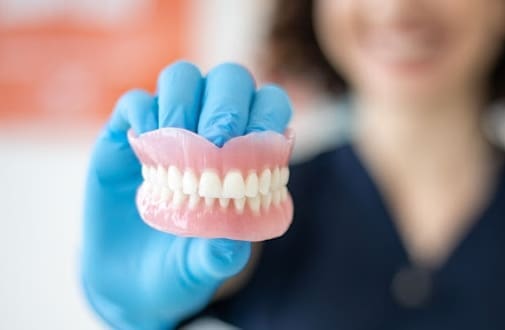
Dentures are a great way to restore your smile if you have lost many teeth. They are quick and affordable and can give you back your confidence. However, dentures can have some drawbacks. If you wear dentures, you may notice that your jawbones change shape over time. This can cause the dentures to slip.

With that said, here are the potential risks of improperly fitted dentures:

1. You Can Develop Oral Infections

If your dentures fit correctly and do not have a gap on your gum line, you will have a lower risk of developing plaque, which can cause gum disease and oral infections.

2. It Can Cause Jaw Problems

The muscles in your jaw play an important role in keeping your teeth in place and aligned correctly. If your dentures are slipping or feel unsteady in your mouth, you may develop problems with the muscles in your jaw, leading to gum recession over time. Gum recession can cause tooth sensitivity and expose roots, which may darken and become exposed.

3. It Can Cause Pain

If you’re experiencing chronic pain in your jaw, you should consult a dentist as soon as possible. They may recommend short-term pain medication to help you manage the pain until you can schedule an appointment. If a denture is causing pain, it’s important to get it fitted properly as soon as possible to avoid long-term pain.

4. You May Have Oral Health Problems

Ill-fitting dentures can cause several problems, including tooth sensitivity, an odd taste in your mouth, and difficulty chewing. If your dentures slide around and hit your gum tissue, this can cause sensitivity. Additionally, if you have gum recession, this can cause a bad taste in your mouth.

Wearing dentures can change how you chew; over time, this can lead to problems with your gums and teeth. Chewing is a natural function that helps us taste and enjoy food, so it’s important to take the time to adjust to chewing with dentures. If you don’t wear dentures, be aware of how this can affect your gum and teeth health.

5. It Can Get Very Uncomfortable

Wearing dentures can be uncomfortable, especially if you don’t have a proper fit. Dentures that don’t fit well can rub against your gums and cause sores. If you experience any pain or discomfort, be sure to see your dentist so they can make the necessary adjustments.

6. Food and Drinks Can Get Trapped in Your Teeth

If you have a gap between your dentures and gums, food and drinks can become trapped underneath the gum line, creating an ideal environment for bacteria and plaque to grow. If plaque and bacteria are not removed from the teeth, it can lead to bone loss and problems with eating and drinking.

Conclusion

There are many risks associated with improperly fitted dentures. These risks can range from minor discomfort to more serious problems, such as difficulty eating and speaking. If you are considering dentures, it is important to consult a qualified dentist to ensure they are properly fitted for you.

At Weymouth Dental Arts, our team is highly experienced and offers a variety of dental treatments. Patients of all ages are welcome! Our office uses the latest and most advanced technologies to make your visit as quick and comfortable as possible. We thoroughly evaluate and treat all of the contributing root factors related to your oral health, ensuring that we leave no stone unturned. If you need denture repairs in Weymouth, we’ve got you covered! Book your appointment today!

Dental Emergencies

What Are Common Dental Emergencies and How to Prevent Them?

Dental emergencies are common and can happen to anyone at any time. Knowing what to do in a dental emergency is essential, as prompt treatment can save a tooth or improve the prognosis for other dental injuries.

What Are the Most Common Dental Emergencies?

Here’s a rundown of the most common dental emergencies and what you should do if you find yourself in one.

Toothache: A toothache is usually a sign of an infection in the tooth or in the gum. If you have a toothache, rinse your mouth with warm water and floss to remove any food or debris that may be causing the pain. Take ibuprofen to help with the pain, and call your dentist immediately.

Broken tooth: If you have a broken tooth, rinse your mouth with warm water and apply a cold compress to the outside of your mouth to reduce swelling. If you can find the broken piece of the tooth, bring it with you to your dentist. If the tooth is jagged or sharp, cover it with sugarless gum or dental wax to protect your tongue or cheek. Call your dentist right away.

Knocked-out tooth: If you have a tooth that has been knocked out, find the tooth and pick it up by the crown (the white part), not the root. Rinse the tooth off, but do not scrub it. If you can, try to put the tooth back into the socket. If that’s not possible, place the tooth in a cup of milk. Call your dentist right away.

Cavity: A cavity is a hole in your tooth that is caused by decay. If you have a cavity, your tooth will be sensitive to hot and cold temperatures. You may also see a visible hole in your tooth. Call your dentist to schedule an appointment to have the cavity filled.

Abscess: An abscess is a pocket of pus that forms around the tooth. An abscess is usually the result of an infection. Symptoms of an abscess include pain, swelling, and fever. If you think you have an abscess, call your dentist right away.

What Are the Best Ways to Prevent Dental Emergencies?

Dental emergencies can be very painful and expensive to treat. Luckily, there are some things you can do to help prevent them. Here are the best ways to prevent dental emergencies:

1. Brush and Floss Your Teeth Regularly

This is one of the most important things you can do to prevent dental emergencies. By brushing and flossing daily, you remove plaque and bacteria from your teeth, reducing your risk of developing cavities and other dental problems.

2. See Your Dentist Regularly

Another great way to prevent dental emergencies is to see your dentist for regular checkups and cleanings. This way, your dentist can spot any potential problems early on and treat them before they become serious.

3. Wear a Mouthguard

If you play sports or engage in other activities with a risk of getting hit in the mouth, it’s important to wear a mouthguard. Mouthguards protect your teeth from being damaged or knocked out.

4. Avoid Chewing on Hard Objects

Chewing on complex objects like ice or hard candy can crack or break your teeth. If you must chew on something hard, be sure to use your back teeth, which are stronger than your front teeth.

Don’t Use Your Teeth as Tools

Your teeth are not meant to be used as tools for opening bottles or ripping open packages. Doing so can damage your teeth and lead to dental emergencies.

Conclusion

Dental emergencies can be extremely painful and stressful. However, knowing what to do and having a plan in place can minimize the damage and get the treatment you need quickly. Be sure to see your dentist regularly to help prevent dental emergencies from happening in the first place.

If you are seeking dental emergency treatment in Weymouth, you can come to visit us at Weymouth Dental Arts. We offer various dental treatment services, with your dental hygiene as our priority. Get in touch with us to book an appointment.

Dental

Dentures Problems: Do You Get Them Repaired or Replaced?

If you have a denture that is not fitting well or causing discomfort, you should visit your dentist. Dentures are durable, but they can still be damaged. Improper care of your dentures can cause sores and discomfort, so it is important to have them repaired or replaced if necessary. Let’s look at whether these problems warrant repair or a complete replacement.

Reasons for Denture Repair

Dentures may experience minor damages and setbacks as they are used daily and get older. This can cause skin irritation, sores, and infections for the denture wearer, as well as feelings of discomfort and self-consciousness. If you have painful dentures, it’s important to visit a dentist. A dental professional can help you figure out what’s causing the pain and help you heal.

Reasons for Denture Replacement

Dentures don’t last forever, and it’s important to realize when it’s time to get a new pair. The lifespan of your dentures depends on the quality and level of care you give them. If your denture is beyond repair, it’s time to get a new one.

Dentures that are not worn daily can last a long time, but if you wear them daily, they will only last around five years. The lifespan of your dentures also depends on the material they are made of. Depending on the researched access, some say composite dentures have a much shorter lifespan than traditional dentures, while others say the opposite is true.

If you have uncomfortable dentures, you might want to get them repaired instead of new ones. However, even after the repair, your dentures might still be uncomfortable.

Other Reasons to Consider Denture Repair or Replacement

Dentures that require fixing or replacing will suffer either one, some, or most of these symptoms:

  • The denture is ill-fitting.
  • If you hit your dentures and cause black and blue marks on the inside of your mouth, you’ll need to take your dentures to your dentist to be repaired.
  • If you have mouth sores, what’s causing them is not yet clear. One possibility is that your dentures are to blame. If that’s the case, it’s important to see your dentist.
  • If you have dentures and develop mouth ulcers, it’s important to see your dentist to find out if the dentures are the cause.
  • A loose denture that’s about to fall out is a problem that needs to be fixed by a dentist. Or, if the fit is too tight, it could cause swelling, bruising, and discomfort in the area, in which case your dentist has to recast a completely new set of dentures for you.
  • Your dentures have cracks or deep scratches. This can cause the chipping of the acrylic material they are made of.
  • Dentures can be a source of irritation and discomfort for many people. If you are experiencing discomfort with your dentures, your dentist can help you determine what is causing the problem and find a solution to fix it.
  • The tips of your dentures are damaged and must be repaired by a dentist.

Get Custom Dentures from Weymouth Dental Arts

Avoid all these pitfalls for denture repair and replacement by booking a session at Weymouth Dental Arts! We provide patients with dentures in Weymouth that address root factors concerning your oral health, ensuring your new set of dentures fit and function right. Book an appointment today through our website!

woman holding a jaw model

7 Signs Your Dentures Need to Be Repaired or Replaced

If you’re like most people, you probably don’t give much thought to your dentures – until they break, that is. Whether you’ve lost a tooth or two, or all of your teeth, dealing with a broken denture can be a real pain.

If you’re wondering whether you should repair or replace your dentures, you’re not alone. It’s a common question, and there is no one-size-fits-all answer. The best course of action depends on a number of factors, and we will discuss them in this article.

  1. The Age Of Your Dentures

How old are your dentures? If your dentures are relatively new, it may make more sense to repair them rather than replace them. However, if your dentures are quite old, it may be time for an upgrade.

  1. The Severity Of The Damage

What kind of damage do your dentures have? If your dentures are cracked, chipped, or otherwise damaged, you may be able to have them repaired. However, if the damage is severe, it may be best to replace them.

  1. The Fit Of Your Dentures

How well do your dentures fit? If your dentures no longer fit well, it may be time for a replacement. Ill-fitting dentures can cause a number of problems, including pain, soreness, and difficulty eating.

  1. The Appearance Of Your Dentures

Are you happy with the way your dentures look? If you’re unhappy with the way your dentures look, you may want to consider replacing them. With new dentures, you’ll be able to choose the size, shape, and color of your teeth so that you can get the perfect smile.

  1. The Discolouration of Your Dentures

The discoloration is usually just a cosmetic issue, but it can also be a sign of damage to your dentures. This can occur for a number of reasons, including staining from food and drink, smoking, and the natural aging process. 

If your dentures are stained, you may be able to remove the stains with denture cleaners or toothpaste. However, if the discoloration is due to damage, it may not be possible to repair the damage, and you may need to get new dentures.

  1. The Pain Caused By Your Dentures

If your dentures are causing you pain, you should first talk to your dentist. They will be able to assess your situation and determine the best course of action. In some cases, simply adjusting the fit of your dentures can make a world of difference.

If your dentures are beyond adjustment, you may need to get new ones. This can be a big decision, but it’s worth considering if your dentures are causing you pain. Your dentist will be able to help you choose the right type of dentures for your needs and make sure they fit properly.

  1. The Cost

How much does it cost to repair or replace your dentures? Of course, the cost is always a consideration. Dentures are not cheap. In general, repairing dentures is less expensive than replacing them. However, if your dentures are severely damaged or if you’re unhappy with the way they look, replacing them may be the best option.

Conclusion

If your dentures are causing you discomfort or you notice any of the signs mentioned in this article, it’s essential to visit your dentist. They will be able to assess the situation and advise you on the best course of action. Whether you need to have your dentures repaired or replaced, it’s important to act quickly to avoid further damage and discomfort.

Weymouth Dental Arts is home to some of the best dentures dentists in the country. Whether you’re looking for general dental care, cosmetic dentistry, dental implant-retained dentures or anything in between, we’ve got you covered!

We welcome patients of all ages, so whether you’re young or old, we can help you get the dental care you need. Book your appointment today, and let us help you achieve optimum oral health!

young girl with toothache

5 Common Dental Emergencies and How to Prevent Them

Dental emergencies can be painful and scary, but the good news is that they are often preventable. But even if you do everything right, accidents can still happen. That’s why it’s important to be prepared for common dental emergencies and know how to handle them. By taking some simple precautions and being aware of the signs and symptoms of common dental emergencies, you can help keep your smile healthy and avoid costly and inconvenient trips to the emergency dentist.

Here are some of the most common dental emergencies and what you can do to prevent them:

Toothache: A toothache is usually the result of tooth decay or an infection. If you have a toothache, it’s important to see a dentist as soon as possible. In the meantime, you can take over-the-counter pain relievers to help relieve the pain.

Chipped Tooth: A chipped tooth is a common dental emergency that can happen to anyone at any age. If you have a chipped tooth, it’s essential to see a dentist right away. In the meantime, you should rinse your mouth with warm water and apply a cold compress to the outside of your mouth to help reduce swelling.

Knocked-Out Tooth: A knocked-out tooth is a serious dental emergency that requires immediate dental care. If you have a knocked-out tooth, it’s important to find the tooth and rinse it off with warm water. Then, try to put the tooth back in the socket. If that’s not possible, place the tooth in a cup of milk or water. Then, see a dentist right away.

Cavities: Cavities are a common dental problem that can lead to more serious problems if left untreated. If you have a cavity, it’s important to see a dentist as soon as possible. In the meantime, you can brush and floss regularly to help prevent the cavity from worsening.

Gum Disease: Gum disease is a serious dental problem that can lead to tooth loss if left untreated. If you have gum disease, it’s important to see a dentist as soon as possible. In the meantime, you can brush and floss regularly and use an antibacterial mouthwash to help.

How to Prevent Dental Emergencies

Dental emergencies can be painful and scary, but the good news is that they are often preventable. By taking some simple precautions and being aware of the signs and symptoms of common dental emergencies, you can help keep your smile healthy and avoid costly and inconvenient trips to the dentist.

Here are some tips on how to prevent common dental emergencies:

  1. Avoid Chewing on Hard Objects

Chewing isn’t something you do consciously. It’s just second nature for us to chew on whatever treats we get our hands on. However, chewing on hard objects, like ice or hard candy, can crack or break your teeth. If you must chew on something hard, be sure to use your back teeth, which are stronger than your front teeth.

  1. Avoid Using Your Teeth as Tools

Your teeth are not meant to be used as tools, like scissors or pliers. Doing so can damage your teeth and increase your risk of a dental emergency.

  1. Be Careful with Teeth Whitening Products

Teeth whitening products can sometimes cause tooth sensitivity or gum irritation. If you experience either of these side effects, stop using the product and see your dentist.

  1. Visit Your Dentist Regularly

Regular dental checkups and cleanings can help detect problems early before they become serious and require emergency treatment. Be sure to see your dentist at least twice a year.

Conclusion

Dental emergencies can be very painful and cause a lot of anxiety. However, by taking some preventative measures and knowing what to do in the event of an emergency, you can help reduce the risk of experiencing one. If you do experience a dental emergency, don’t panic. Stay calm and call your dentist or even an emergency room right away.No matter what dental emergencies you have, you deserve the best level of dental care at all times. That’s what Weymouth Dental Arts is here for. Our team of highly experienced dental professionals is here to provide customized dental care to you and your family. Whether it’s for pediatric dentistry, cosmetic, or general dentistry, our team will take care of you. Whenever you need an emergency dentist in Weymouth, consider going to our office. Contact us today to book an appointment!

781-650-7599