Fast, Safe, and Effective Laser Teeth Whitening

Fast, Safe, and Effective Laser Teeth Whitening

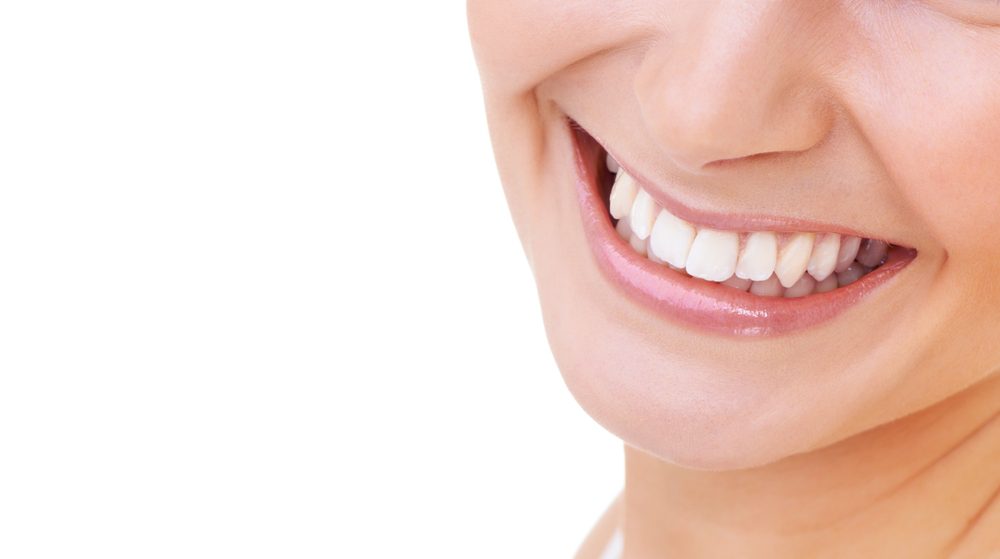
Most of us desire a radiant smile that inspires confidence. In the mirror in which you often look, you might see stains of coffee or tea or just because of age. Many people get professional whitening treatments, which usually yield faster results. Laser bleaching for teeth is the answer we seek here. It is a new dental procedure designed to quickly lift deep stains from your teeth while keeping you comfortable.

What is Laser Teeth Whitening?

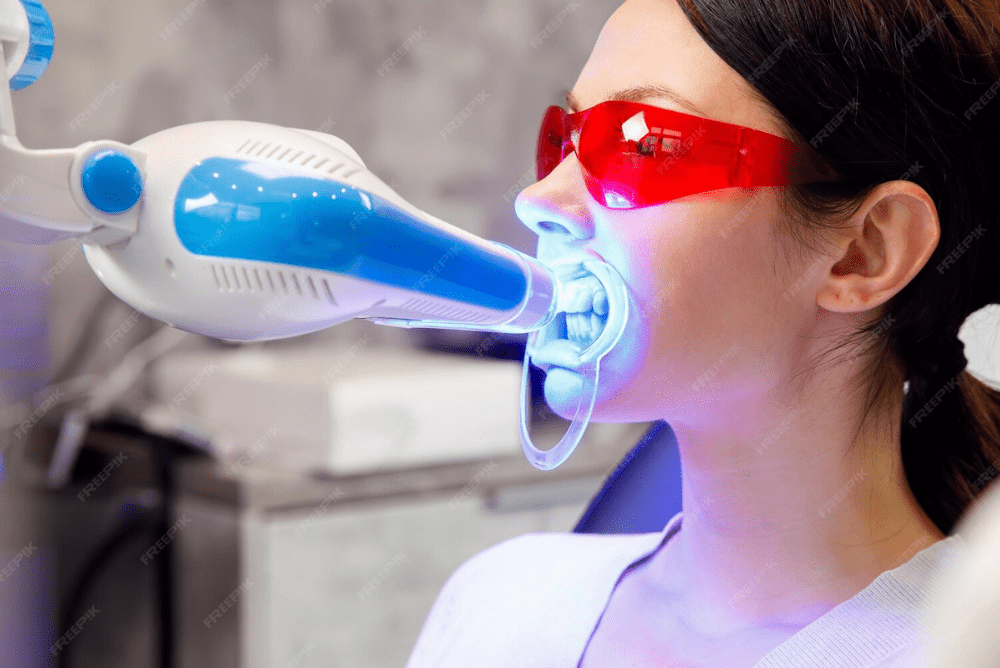
Laser teeth whitening is a professional procedure performed by a dental expert. It uses a concentrated bleaching gel and a specialised light. The light speeds up the gel’s chemical reaction. This process breaks down stains much faster than at-home kits can.

Many people choose this method because it is efficient. Instead of wearing trays for hours every night, you can achieve a brighter smile in a single visit. It is often called “chairside whitening” because the magic happens while you relax in the dental chair.

How the Process Works

The procedure is straightforward and follows a few key steps:

  • Preparation: Your dentist cleans your teeth of plaque or bits of food.
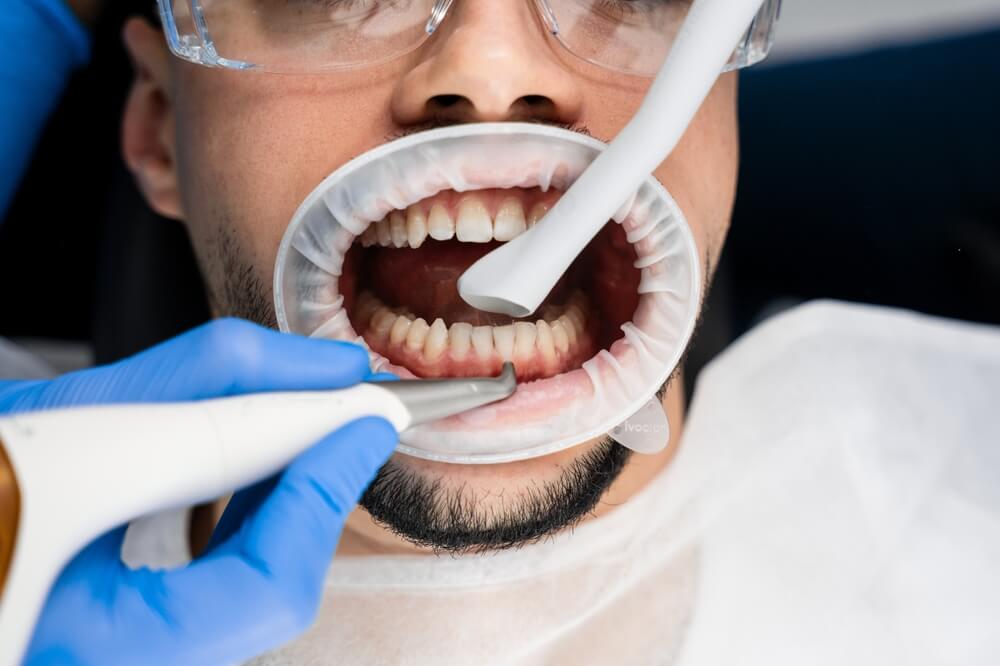
  • Protection: To protect your gums from the gel, a special covering is applied.
  • Application: On the surface, the teeth whitening gel is applied directly.
  • Activation: A laser or high-intensity light is used to activate the gel.
  • Rinse: After several rounds of this process, the gel is washed off to reveal the results.

Benefits of Choosing Laser Whitening

If you are looking for a dentist near you to brighten your smile, you might wonder why the laser method is better than traditional bleaching.

  1. Speed: You can walk out with a smile that is several shades lighter in about an hour.
  2. Precision: The laser allows the dentist to target specific areas of discolouration.
  3. Safety: Professional supervision ensures that your tooth enamel and gums stay protected.
  4. Long-lasting: Because the treatment is more intensive, the results often last longer than those from DIY methods.

Comparing Whitening Methods

Feature Laser Whitening Over-the-Counter Strips
Time Required 60 Minutes 2-4 Weeks
Result Shade 5-10 shades lighter 1-3 shades lighter
Professional Supervision Yes No
Sensitivity Control High Low

Is it Safe for Your Enamel?

A common concern is whether the laser hurts your teeth. When performed at a professional dental office in Weymouth, the procedure is very safe. The laser itself does not “scrub” the teeth; it simply provides heat or light to help the whitening agent work better. Most patients feel little to no discomfort, though some may have temporary sensitivity to cold for a day or two.

Finding a Local Expert

Whenever you are searching for laser teeth whitening near you, make sure you choose a provider that understands your needs. Every smile is unique. Some stains are superficial, while others are intrinsic. A professional assessment will assess whether you are a possible candidate for the procedure.

For those living in the area, finding a reliable professional teeth whitening service can make all the difference. Expert care ensures that the application is even and that you avoid the “spotty” look that sometimes happens with home kits.

Maintaining Your New Smile

After your treatment, you want to keep those pearly whites shining. Here are a few tips to extend the life of your whitening:

  • Do not consume dark-coloured drinks such as red wine and black coffee within 48 hours.
  • After eating colour-rich foods like berries, rinse your mouth with water.
  • Be strict in brushing and flossing.
  • Book frequent cleanings to remove surface buildup.

By following these simple steps, your long-lasting, bright smile results will stay vibrant for much longer.

Conclusion

A bright smile can change the way you feel about yourself. At Weymouth Dental Arts, we are committed to helping our community achieve their aesthetic goals with the latest technology. Our team focuses on patient comfort and high-quality results. If you are ready to transform your look, please reach out to us. You can book an appointment today by visiting our website or calling our office.

We look forward to seeing you at our dental office and helping you smile with confidence!

Frequently Asked Questions

How long does the treatment take?

The entire process usually takes between 60 and 90 minutes from start to finish.

Does laser whitening hurt?

Most patients find it painless. If you have sensitive teeth, the dentist can adjust the gel concentration or the light intensity to make you more comfortable.

How many shades lighter will my teeth get?

On average, patients see an improvement of five to ten shades. Your individual results depend on the original color of your teeth and the type of stains you have.

How long do the results last?

With good oral hygiene, the effects can last 1 to 3 years. Avoiding tobacco and staining foods helps maintain the brightness.

Is it more expensive than home kits?

While the initial cost is higher than that of drugstore products, the results are much more dramatic and require fewer applications over time
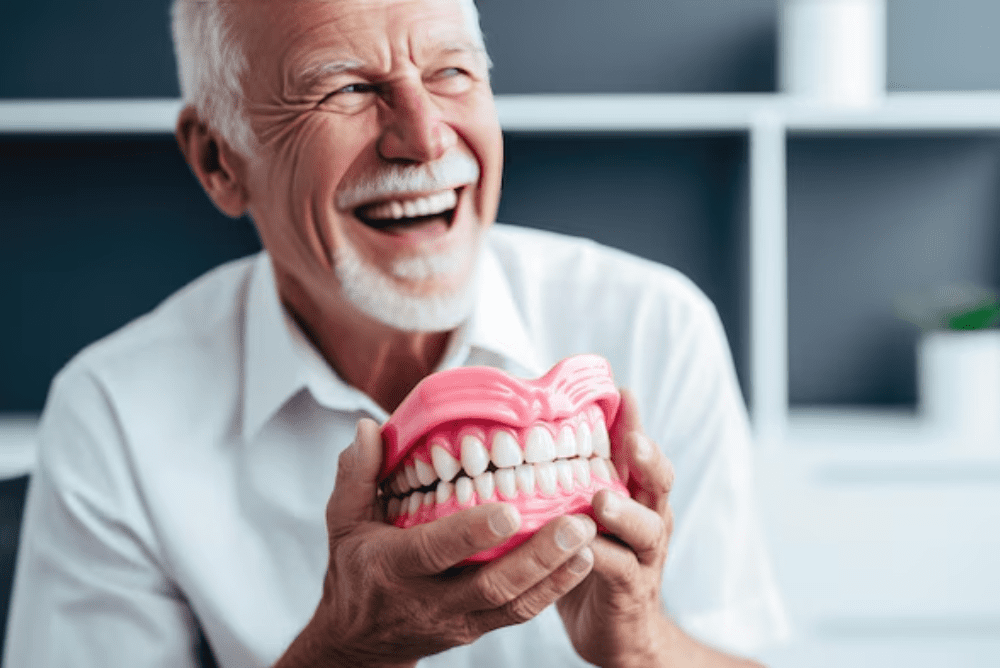
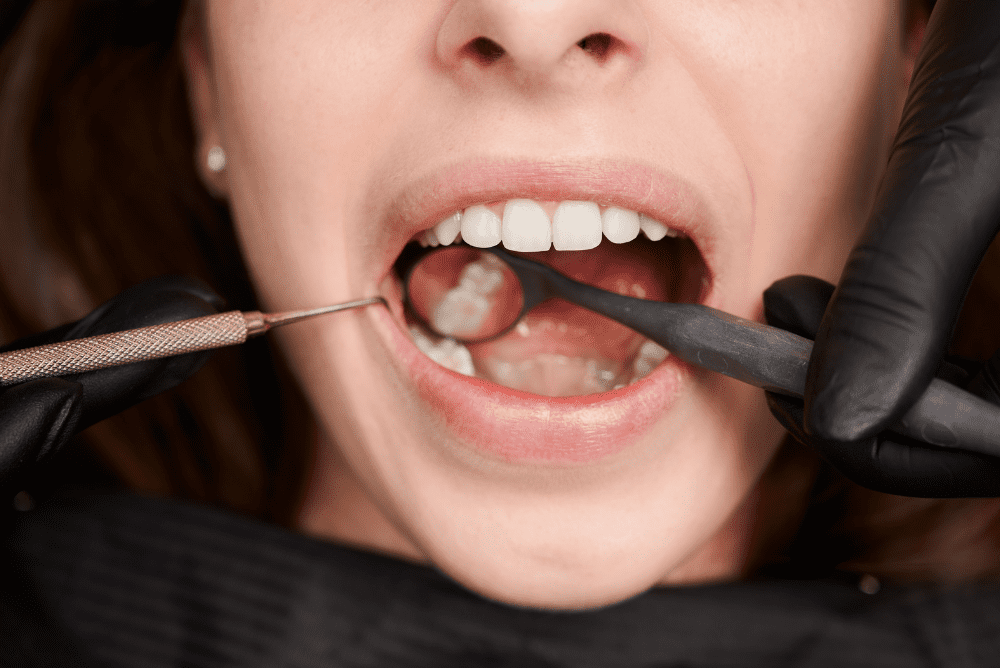
Hybrid dentures near me offer a secure, natural-looking smile. Choose expert care with durable hybrid dental implants near you.

Missing Multiple Teeth? Why Hybrid Dentures in Weymouth May Be the Best Option

Losing several teeth can affect not only your smile but also your ability to eat, speak, and feel confident.

For several patients, traditional dentures may not provide the stability or comfort they need.

That’s where hybrid dentures near you come in; they offer a secure, long-lasting solution for replacing multiple missing teeth while maintaining a natural look and feel.

Hybrid dentures combine the stability of dental implants with the convenience of dentures, making them an excellent choice for people seeking a reliable and comfortable replacement option.

What Are Hybrid Dentures?

Hybrid dentures are prosthetic teeth that are anchored by dental implants. Unlike traditional dentures, which rest on the gums and may shift or slip, hybrid dentures are fixed in place.

This combination provides both strength and comfort, allowing patients to eat, speak, and smile with confidence.

Unlike removable options, hybrid dentures are designed to stay in place permanently so that you won’t need messy adhesives or frequent adjustments.

This makes them especially suitable for people missing multiple teeth in a row, or it is useful for patients who need a permanent solution.

How Hybrid Dentures Work

The process of hybrid dentures in Weymouth would include several steps, as listed below:

  1. Initial Consultation – A dentist evaluates your oral health, bone structure, and overall suitability for implants.
  2. Implant Placement – Small titanium posts are surgically placed into the jawbone to serve as anchors.
  3. Healing Period – The implants fuse with the bone over a few months, creating a stable foundation.
  4. Denture Attachment – Custom-made dentures are securely attached to the implants, providing a natural appearance and stable fit.

Throughout this process, your dentist will ensure proper alignment, bite, and comfort, helping you get the best results possible.

What are the Benefits of Choosing Hybrid Dentures

Hybrid dentures offer several benefits over traditional dentures, some of which are listed below:

  • Improved Stability – Fixed to implants, hybrid dentures don’t shift while speaking or eating.
  • Enhanced Comfort – Because they don’t press on the gums, irritation is reduced.
  • Better Chewing Efficiency – You can enjoy a wider range of foods without worry.
  • Bone Preservation – Implants help prevent jawbone deterioration, which can occur after tooth loss.
  • Natural Appearance – Custom-made teeth look like your real teeth and blend seamlessly.

Patients often report feeling more confident and comfortable with hybrid dentures compared to removable alternatives.

Are You a Candidate for Hybrid Dentures?

Most people who are missing multiple teeth may benefit from hybrid dentures. Your dentist in Weymouth will assess your:

  • Oral health and hygiene
  • Bone density and jaw structure
  • Overall health and readiness for implant surgery

Even if you have been wearing traditional dentures for years, hybrid dentures may be an option after a consultation and careful planning.

How To Take Care of Your Hybrid Dentures

Maintaining hybrid dentures is simple, but consistent care is important:

  • Brush and floss regularly to keep both dentures and the surrounding gums healthy
  • Visit your dentist for routine checkups to monitor implant health
  • Avoid extremely hard foods that could damage the prosthetic teeth

With proper care, you can keep your smile feeling natural.

Making the Decision

If you are having missing teeth and want a long-term, natural-looking solution, receiving hybrid dentures is the way to go.

Hybrid dentures combine the strength of dental implants with the convenience of dentures to offer comfort and confidence.

For residents seeking hybrid dentures, our team at Weymouth Dental Arts offers personalized care and professional guidance.

Our team can help determine if hybrid dentures are suitable for your needs, guide you through the process, and ensure a comfortable and successful outcome.

Plan a visit to our dental practice now to get started!

FAQs

How long do hybrid dentures last?

With proper care, hybrid dentures can last 10–15 years or longer. The implants themselves are designed to be permanent.

Is the procedure painful?

Local anesthesia is used during implant placement. Mild soreness afterward is common, but it can be managed with over-the-counter pain relief.

Can I eat normally with hybrid dentures?

Yes! Unlike traditional dentures, hybrid dentures provide a strong bite, allowing you to eat most foods comfortably.

Do I need to remove hybrid dentures for cleaning?

No. Hybrid dentures are fixed in place, so you clean them like natural teeth with brushing and flossing.

Can hybrid dentures be adjusted if they feel uncomfortable?

Yes. Hybrid dentures are custom-made, but minor adjustments can be made by your dentist to improve fit or comfort. Regular checkups help ensure they remain secure and functional.

Looking for dental filling near me? Weymouth Dental Arts provides gentle and durable dental fillings in Weymouth to restore your smile. Book your appointment today!

Are Tooth Fillings Painful? Myths vs Reality Near You

With respect to hygiene in dentistry, patients frequently express concern about how much pain, if any, a dental filling near you causes. Many patients delay seeing the dentist because they are concerned about the potential discomfort of the procedures, including a filling. By knowing about the dental procedure, unconnected to the myths and with reassurance about the facts, patients usually feel relief and are treated sooner (which can lead to less complex and less invasive treatments).

Understanding Tooth Fillings

A filling is a simple dental procedure to repair a tooth damaged by decay, cracks, or simple trauma. The dentist removes the decayed portion of the tooth and fills the space with an appropriate material to restore its shape and strength. This simple procedure prevents further decay, tooth loss, and more extensive treatment down the road.

Even though it is a common procedure, the thought of pain often prevents patients from making an appointment. Many people think that filling a tooth will be incredibly painful. The truth is, modern dentistry has come a long way to make this creative and gentle process basically painless.

Common Myths About Tooth Filling Pain

Myth 1: Getting a Tooth Filled Is Really Painful

It’s true, when you hear drilling into a tooth, that just sounds yucky, and understandably so! Dentists always use local anesthesia to numb the area they are going to work on. Patients generally feel little discomfort, and often only mild pressure or vibration. Most patients feel no pain at all!

Myth 2: Fillings Can Cause Pain That Lasts a Long Time

Many patients think that the filling will create pain afterwards, and some do feel sensitivity to hot and cold after the filling, which is normal. Sensitivity usually lasts for only a few days though, especially for larger cavities that have a metal filling. A follow up appointment and good follow-up care will help to reduce discomfort.

Myth 3: Only Large Cavities Need to Be Repaired

Save yourself aggravation and receive your individual fillings. Spaces that started as small cavities benefit from prompt fillings. If you have a small cavity which you don’t address, the cavity may grow larger, and the crazy thing about teeth is that if things become more extensive, you are risking more complicated treatment. All the other options, other than fillings, are more painful than a simple filling!

What You Can Expect During the Procedure

Before starting the procedure, your dentist will numb the area with a local anesthetic, making it nearly painless. Once the decayed tooth material is removed, the dentist cleans the cavity and fills it with the selected filling material, which may be composite resin, amalgam, porcelain, or other material. After placement of the filling material, it will be shaped and polished to match your natural tooth.

The entire filling process will usually not take long, typically lasting 20 to 60 minutes, depending on the tooth being treated and the size of the cavity. After the filling is completed, your tooth may feel just slightly different or be sensitive, which is temporary. If you follow your dentist’s care instructions, you should have a seamless recovery and a long-lasting filling.

How to Reduce Anxiety About Tooth Fillings

Finding a good dental practice in your area can help alleviate anxiety. Many dental practices including dental fillings Weymouth focus on your comfort and utilize up to date tools to make the procedure quicker and calmer. Being listened to, being treated gently, and having everything explained to you will help alleviate anxiety and fear.

There are a few practical things you can do to help manage anxiety leading up to and during your appointment- for example deep breathing, bringing headphones to listen to music during your appointment, or asking for a break during treatment. Remember, addressing tooth decay sooner rather than later will always make the procedure easier and more comfortable for you.

Conclusion

Don’t let fear of pain keep you from taking care of your smile. If you see evidence of tooth decay, call and schedule an appointment right away with Weymouth Dental Arts in order to have tooth decay treated in a timely manner. Your oral health matters, and catching problems early will prevent unwanted dental concerns after the fact.

Protect your teeth from cavities with dental sealants in Weymouth—quick, effective, and ideal for kids and adults

Dental Sealants: A Pain-Free Way to Prevent Cavities

Dental sealants are the easiest way to prevent cavities, and are completely painless.

If you are seeking dental sealants near you, this service is perfect for you or your child for ongoing cavity protection without any drills or discomfort.

What Are Dental Sealants and How Do They Work?

Dental sealants are thin, protective coatings that are put on the chewing surfaces of the back teeth (molars and premolars).

These teeth have grooves that food and plaque tend to get stuck in, which makes them more likely to get cavities. Sealants for teeth keep bacteria and acid from getting to the tooth’s surface.

This makes them an excellent option for children, teens, and even adults who want painless dental sealants that give extra protection against tooth decay.

Dental Sealants as No-Drill Cavity Prevention

When many think about treating cavities, all they picture is drilling and fillings. Sealants, however, are different because they are designed to prevent cavities from developing before they appear.

This is also why many dentists refer to sealants as no-drill cavity prevention.

Here is why sealants work so well:

  • Simple to use: It can literally take a few minutes to apply to a single tooth.
  • No needles or drilling: They do not involve any invasive procedures.
  • Longevity: Depending on how well people care for their teeth, sealants can last anywhere from 5 to 10 years.
  • Great for kids: They are great during cavity-prone years.

With sealants, patients can avoid cavities, deal with fillings and keep their natural teeth stronger for much longer.

Why Choose a Dentist for Sealants?

When using sealants, it is important to meet a trusted dentist near you. Having a local provider helps with scheduling routine visits, assessing the durability of sealants, and possible touch-ups.

A dentist can also monitor overall oral health, ensuring that sealants are working as part of a bigger prevention plan.

How to Get Dental Sealants in Weymouth?

Wondering what to expect with Dental Sealants in Weymouth? The steps are very simple:

  • Your teeth are cleaned and dried
  • They will apply a special solution to prepare the tooth surface.
  • Sealant is painted on the tooth as a liquid.
  • A curing light hardens it in seconds.

When it is finished, you will have a hard, invisible shield protecting the tooth, while the tooth feels the same and looks the same.

Many patients visiting our dentist in weymouth are surprised at the total time and ease of this procedure.

Who Benefits Most from Dental Sealants?

Sealants are not just for children; although children are the biggest beneficiaries, with their molars being new and susceptible, adults can also benefit, particularly if they have deep grooves in their teeth.

You may want to consider sealants if you are:

  • Kids ages 6–14 getting molars
  • Teens who are cavity-prone
  • Adults who has deep grooves or cavities in their history
  • Looking for a simple preventive approach

Protecting Smiles with Sealants

Dental sealants are a safe, painless, and effective way to prevent cavities before they start. With no-drill cavity prevention for both children and adults, sealants eliminate time, money, and discomfort associated with cavities.

If you are looking for protection, book an appointment at Weymouth Dental Arts. We provide gentle care, modern solutions like sealants, and the healthiest smiles for your family for years to come.

FAQs About Dental Sealants

Do dental sealants hurt?

No, the process is painless, as there are no shots, drills, or discomfort.

How long do sealants last?

With proper care, sealants can last from 5 to 10 years, but if needed, the dentist can reapply the sealant.

Can adults get dental sealants?

Yes, adults can benefit from dental sealants as well. Many adults are good candidates for dental sealants, especially if they have a lot of cavities and are susceptible to developing cavities.

Book your appointment today for expert dental care in Weymouth!

Book Appointment Call Us

Which Doctor is Right for a Root Canal?

A root canal is effective for preserving your tooth when it is badly decayed or infected, and you may be asking yourself, If I need a root canal, who performs the root canal?  Should it be my general dentist, or will it be someone else who is better suited?  

Finding the best root canal specialist near you is critical to your comfort and your treatment success.  Let’s take a look at who you can trust to perform a root canal and how to make a good decision.

What is a Root Canal?

When the inside of your tooth (the pulp) is infected, it is referred to as needing a root canal.  The infection commonly occurs due to

  •  Deep cavities
  •  Cracks or chips in the tooth  
  •   Previous dental procedures on the same tooth

  Typically, a root canal process will include the following: 

  • Numbing the area so you don’t feel anything 
  • Removing infected pulp from inside the tooth
  • Cleaning the area and sealing the area
  • Add a crown to protect the tooth and return the shape of the tooth. 

The purpose of going through this procedure is to relieve the pain, save your tooth, and prevent the spread of infection to adjacent teeth. 

Who Can Perform a Root Canal – What Are Your Options?

You might be surprised to know that both general dentists and endodontists can do root canals. But what’s the difference?

Let’s look at the comparison:

Endodontist vs general dentist

General Dentist:

Your regular dentist can do a lot of different dental work. They can handle some root canals. They may do well for you if your case is a simple one.

Endodontist:

An Endodontist is a dentist focused on root canal treatment and mostly other issues of the interior of the tooth. They have the skills and tools to help with more complex cases.

So, think about whether your case is a little tricky or if you have been through a root canal treatment before. Your dentist may suggest you go to an endodontist for extra care.

Where Should You Go for a Root Canal in Weymouth?

If you’re looking for help close to home, it’s a good idea to choose a trusted dental office in Weymouth. A good dental team can make you feel relaxed and explain your treatment in a way that’s easy to understand.

Look for a dental office where the team is caring and where patients feel comfortable. Whether you see a general dentist or an endodontist, the right place will help you stay calm and make sure the treatment is smooth. They should take the time to answer your questions and help you understand each step of the process. A clean and welcoming environment can also make a big difference in how you feel during your visit. Most importantly, you want to feel heard, respected, and confident that you’re in good hands.

How Can You Choose the Right Root Canal Provider?

There’s no need to feel overwhelmed. Here’s a simple guide for how to choose a root canal provider:

  • Check their experience with root canals. Ask how often they do them and if they’re comfortable handling your type of case. 
  • Ask if your case is simple or complex. Your regular dentist can tell you if an endodontist might be the better fit. 
  • Look at reviews and patient feedback. These can give you a good sense of what the experience is like. 
  • Make sure the office uses up-to-date methods. While you may not know the tools, the team should be able to explain them to you clearly. 
  • Ask how they handle pain or anxiety. A kind and caring team can make the whole process feel much easier. 

Your Trusted Smile Partner Weymouth Dental Arts

If you’re in need of a root canal, you want a team you can rely on. Weymouth Dental Arts is here to help you every step of the way. We understand that dental work can feel stressful, so our friendly and supportive team works hard to make your visit as easy and worry-free as possible.

From your first call to your final appointment, we’ll walk you through your care in a clear, simple way, with no confusing terms or surprises. Whether your root canal is done by one of our skilled dentists or you’re referred to an endodontist, we’ll make sure you feel confident in your treatment. Don’t wait for pain to get worse. Call us today and book your appointment—your teeth will thank you!

How Long Does Zoom Teeth Whitening Last?

White, radiant teeth are a key to self-assurance and lasting good impression. Zoom teeth whitening, as an example of professional whitening, is in bigger demand now for those interested in instant dramatic teeth whitening effects. Probably, one of the most popular inquiries from patients is: How long will my whitening effect be? It actually depends on lots of variables that range from lifestyles to dietary consumption and choice of food. In this blog, we’ll explore the Zoom teeth whitening duration and tips to extend its longevity.

What is Zoom Teeth Whitening?

Zoom teeth whitening is a chairside bleaching treatment that achieves instant and perceptible results. The procedure involves applying hydrogen peroxide gel on the teeth and activating it using a specific LED light. Stains and coloration are dissolved and the smile becomes whiter within a time frame of around one hour.

How Long Do Zoom Whitening Effects Last?

The duration of Zoom teeth whitening varies from person to person. The effect lasts around 1-2 years if properly maintained. The whiteness decreases quicker in some patients than others, while others may enjoy a white smile for a few years. The factors that can affect the duration of Zoom teeth whitening are:
  1.  Diet: This is because foods and beverages that can stain the teeth, such as coffee, tea, red wine, and berries, are introduced into the mouth.
  2. Oral Care: This includes brushing the teeth, flossing, and using whitening toothpaste to help sustain the results.
  3. Smoking and Tobacco Use: Nicotine and tobacco products are known to cause staining that can limit the time that whitening effects last.
  4. Heredity and the Natural Colour of Teeth: There are some people whose teeth are more likely to stain than others.
  5.  Age: As we get older, the enamel wears down, which results in the teeth appearing dull, and thus, the whitening duration is affected.

Book your appointment today for expert dental care in Weymouth!

Book Appointment Call Us

Tips to Extend Zoom Teeth-Whitening Longevity

If you want to prolong the effects of your Zoom teeth whitening, follow these simple tips:

1. Maintain a Good Oral Hygiene Routine

Brushing twice a day and flossing daily can help remove plaque and prevent stains from forming. Use a whitening toothpaste recommended by your dentist to maintain brightness.

2. Avoid Staining Foods and Drinks

To keep your teeth white for longer, limit your intake of coffee, tea, red wine, dark sodas, and deeply pigmented foods. If you do consume them, consider using a straw to minimize contact with your teeth.

3. Quit Smoking

Smoking not only stains teeth but also affects overall oral health. Quitting tobacco can significantly improve the Zoom teeth whitening longevity and keep your smile looking bright.

4. Use Whitening Touch-Up Treatments

Many dentists offer take-home whitening kits to help maintain your results. Using these as directed can refresh your smile and prevent discoloration.

5. Stay Hydrated and Rinse Your Mouth

Drinking plenty of water helps wash away staining substances before they settle on your teeth. Rinsing your mouth after eating or drinking dark-colored foods can also prevent discoloration.

6. Schedule Regular Dental Cleanings

Professional cleanings help remove surface stains and plaque buildup, keeping your teeth looking fresh. Visiting a dentist near you at least twice a year can enhance your whitening results.

Is Zoom Teeth Whitening Safe?

Yes, Zoom teeth whitening in Weymouth is a safe and effective procedure when performed by a professional. Some patients may experience mild tooth sensitivity after the treatment, but this usually subsides within a few days. Your dentist may recommend desensitizing toothpaste or fluoride treatments to minimize discomfort.

Zoom Teeth Whitening in Weymouth

If you’re looking to brighten your smile, Zoom teeth whiteningis a great option for achieving fast and long-lasting results. At Weymouth Dental Arts, we offer professional teeth whitening treatments to help you achieve a dazzling smile. Our experienced team provides personalized care and guidance to ensure your whitening results last as long as possible. Looking for a dentist near you to enhance your smile? Contact ustoday to schedule your Zoom teeth whitening appointment and enjoy a brighter, more confident smile!

7 Sign Indicating You Need to Replace a Dental Crown

Dental crowns are special caps which are placed over a tooth to help protect them and make them stronger. These crowns can be made of different materials including metal, porcelain, or a mix of both. They are most commonly placed after a root canal or when the tooth has broken severely. As with many things, dental crowns too don’t last forever. Below are the signs indicating that your dental crown in Weymouth should be replaced.

7 Signs That Your Dental Crown May Need Replacing

1. You Feel Pain or Discomfort

Pain or discomfort around the tooth which has a crown is an indication that it is damaged. Sometimes, a crown might hurt because the tooth beneath it has cavities or infections. If there is persistent pain that does not go away, it would be good to call your dentist.

2. Your Crown is Loose

Crown teeth have to fit perfectly on your teeth. If you can move the crown with your tongue or feel it wobble, it may be time for a replacement. Loose crowns expose the tooth to bacteria, increasing the risk of infection and potential discomfort or injury for the patient.

3. You See a Gap

If you notice a gap between your crown this could be an indication the crown is no longer sealing effectively. Such gaps lead to food getting stuck and thus resulting in developing cavities in the areas around it. If there’s a space, it’s a sign to visit the dentist for assistance.

4. Your Crown Looks Discoloured

One of the goals of a dental crown is to blend in with your natural teeth. However, crowns can become stained or discoloured over time. If you notice that your crown looks different in colour compared to your other teeth, it might be time for a dental crown replacement. A new crown can help restore your smile and improve the appearance of your teeth.

5. You Notice Cracks or Chips

Just like any other material, dental crowns can crack or chip. If you see visible damage on your crown, it’s essential to have it checked by your dentist. Cracks can lead to further problems by allowing bacteria to enter and cause more damage to the tooth beneath.

6. Sensitivity to Hot and Cold Foods and Drinks

Feeling sudden sensitivity to hot or cold foods and drinks can indicate a problem with your crown. If your crown is old or damaged, it might not protect your tooth like it should. This sensitivity can become quite uncomfortable and may require a replacement of the dental crown.

7. Your Dentist Recommends to Replace Dental Crown

Sometimes the best way to know if you need a new crown is to listen to your dentist. During regular check-ups, your dentist will examine your crown and may suggest that it’s time for a replacement. It’s important to trust their expertise; they see lots of crown cases every day!

Wrapping Up

When it comes to when to replace your dental crown, it’s essential to pay attention to your mouth and any changes. Ignoring signs can lead to infections or more serious oral problems. As soon as you notice any of the signs mentioned above, arrange an appointment with your dentist. They can help you decide if a simple repair is possible or if dental crown replacement is necessary.

Get a Natural-Looking Dental Crown at Weymouth Dental Arts!

If you’re looking for quality dental care, Weymouth Dental Arts is here for you. We offer a range of services, including natural-looking dental crowns, to help restore your smile and keep your teeth healthy. Our team of dentist in Weymouth focuses on patient comfort and uses modern techniques for optimal results from dental procedures.

Need a dental crown? Schedule your visit today at Weymouth Dental Arts!

How to Tell If You Need a Wisdom Tooth Extraction

Wisdom teeth are the last set of molars, which usually erupt in your late teens or early twenties. In some people, there is no problem with wisdom teeth, while others may develop pain, swelling, or even infection. Therefore, if you are wondering whether you need to have your wisdom tooth extracted, here are key wisdom tooth removal symptoms to look out for:.

Signs You Need Wisdom Teeth Removed

  • Pain and Discomfort is the most common symptom that shows you may need your wisdom teeth removed is pain at the back of your mouth. This discomfort can be mild soreness or even severe pain that makes it hard to eat or speak.
  • Swelling or tenderness in your gum where the wisdom tooth is can be an indication of infection. This usually happens when your wisdom tooth partially comes through the gum, thus providing a space within it where bacterial infection thrives.
  • Wisdom teeth can exert pressure on your jaw, and this sometimes makes the jaw stiff, causing discomfort. Some people may have difficulties opening their jaws fully or maybe develop some pain in their jaws whenever they are chewing.
  • Headaches or ear pain Wisdom teeth can push against other teeth and create tension in the jaw, resulting in frequent headaches or even ear pain. The sensation will start from your jaw through to your head and ears and feel like a recurring strain.
  • Shifting Teeth or Crowding When your mouth is small, there’s not enough room for the teeth to fit and they can press against other teeth, causing those to shift and become misaligned and crowded, which can even affect your smile.
  • Cavities and Tooth Decay A partially erupted wisdom tooth is hard to clean, making it much more susceptible to cavities and decay. Food particles and bacteria can easily lodge in the crevices around the tooth, increasing the risk of dental issues.
  • Bad Breath or Unpleasant Taste If you often experience an unusual bad taste or smell in your mouth, it might be the result of food getting lodged around a partially erupted wisdom tooth. This causes bacteria to collect and potential infections.
  • Sinus Problems Sometimes, the upper wisdom tooth can cause sinus pressure, leading to nasal obstruction, pain, or headache. In case of persistent sinus problems, it is likely to be contributed by your wisdom teeth.

Book your appointment today for expert dental care in Weymouth!

Book Appointment Call Us

When to Remove Wisdom Teeth

Not everyone requires their wisdom teeth to be extracted. However, if you find yourself experiencing any of the above symptoms, then it is a good idea to see a dentist. Wisdom tooth extraction is commonly advised in the following scenarios:
  • The teeth are impacted (stuck under the gums or bone).
  • They grow at an angle, pushing other teeth.
  • You experience recurrent infections or gum disease around the area.
  • Damage to the adjacent teeth by pressure
  • Pain, swelling, or trouble chewing that does not go away.

What to Expect During Wisdom Tooth Extraction

Extraction of wisdom tooth is one dental procedure that helps maintain prevention from potential future complications. Normally, it involves:
  1. Consultation and X-Rays – Your dentist will examine your mouth and take X-rays to determine the position of your wisdom teeth.
  2. Anesthesia – You may receive local or general anesthesia to ensure a pain-free experience.
  3. Extraction – The tooth will be taken out carefully from the gum using simple extraction, or by performing a surgical extraction if the tooth is impacted.
  4. Recovery – You may experience mild swelling and discomfort for a few days. Following aftercare instructions will help speed up the healing process.

Find Wisdom Tooth Extraction Near You

If you are experiencing symptoms of problems with your wisdom teeth, do not wait until it hurts more. At Weymouth Dental Arts, our team is highly skilled and will perform professional extraction services for your comfort and oral health. Contact us today if you are looking for a trusted dentist in Weymouth to schedule a consultation. Let’s help you have a healthy, pain-free smile!
The Impact of Dental Fillings on Overall Oral Health

The Impact of Dental Fillings on Overall Oral Health

When it comes to maintaining good oral health, one of the most common dental treatments people undergo is a dental filling. Whether it’s for a cavity, tooth damage, or decay, dental fillings help restore the structure and function of a tooth, ensuring the overall well-being of your teeth. If you’ve been searching for a reliable dentist near you, chances are you’ve considered dental fillings at some point. But have you ever thought about how dental fillings affect your oral health in general? Let’s look at how this apparently simple procedure plays a huge role in preventing future dental issues and improving your oral health.

What is a Tooth Filling?

Let’s explain their purpose of dental filling versus an antibiotic. A tooth filling is a dental restoration used for the repair of cavities or damaged teeth. It involves several components and is typically made of porcelain The material used to fill the cavity may vary depending on the needs and personal preferences of the patient and can vary in quality from silver amalgam resin composite gold or porcelain . The process involves cleaning out decayed tissue and filling the empty space to prevent further damage, restore tooth function and maintain the appearance of the tooth.

Restoring Tooth Function

Another crucial advantage of dental fillings is the restoration of tooth function. Teeth weakened by decay or damage may be painful or sensitive making it difficult to chew or speak comfortably. By filling cavities or cracks, fillings restore the structure of the tooth and allow it to function normally again.

For example, a filling can restore the chewing surface of molars and allow you to eat without discomfort. It also restores the ability to bite and chew with confidence that plays an essential role in your overall ability to maintain a healthy balance of nutrients. Without fillings these damaged teeth could impair your ability to eat certain foods and reduce your nutritional intake..

Improving Oral Health and Hygiene

Good oral hygiene can prevent cavities and other dental issues, but it is quite difficult if you haven’t treated the decay or cracks in your teeth. Bacteria will have a residence to collect at these locations, which means that you will be more prone to having excess plaque and probably risking gum disease.

The oral hygiene improves through dental fillings since it leaves a smooth and sealed surface which is easier to clean. As opposed to an untreated cavity, its surface is not even and holds food particles and plaque. Thus, the teeth are easier to brush and floss. As a result, you reduce the chances of further dental complications like gum disease or tooth sensitivity.

In addition, fillings can help avoid tooth sensitivity. Tooth sensitivity often results from the exposure of dentin through a cavity or crack. The filling seals off the exposed areas and can avoid hot or cold food and drinks that trigger discomfort.

What Factors Affect the Cost of Dental Fillings?

While dental fillings provide various benefits it is essential to consider the factors that influence the dental fillings cost . The type of filling material in effect, the size of the cavity the location of the tooth and the expertise of dentist all impact the final cost. Composite fillings are generally more expensive than amalgam fillings due to their aesthetic qualities.

The cost of the Filling may vary depending on whether you’re seeking treatment for a root canal or a complex cavity and whether you need special preparation. However the long-term benefits of fillings in terms of tooth preservation and oral health far outweigh the upfront cost.

Preserve, protect, and perfect your smile

Dental fillings are a important part of maintaining long-term oral health. They help prevent further tooth damage, restore function. Improve hygiene and enhance the appearance of your smile. If you are considering getting a dental filling in Weymouth it’s essential to choose an experienced dentist who understand your unique needs.

At Weymouth Dental Arts, we take the time to make sure our care is both the best and as comfortable as possible. If you need a filling or some other dental work, our staff of professionals can guide you through all the ways of getting the smile you’ve always wanted.. Contact us today for an appointment in order to have a healthy start towards oral health.

How Technology is Changing the Way We Approach Dental Cleanings?

How Technology is Changing the Way We Approach Dental Cleanings?

Dental cleaning is an important part of keeping our teeth healthy and strong. A trip to the dentist may not seem like fun, but technology is making these visits easier and more effective. Let’s explore some innovative technology that is changing how we take care of our smiles!

1. Digital X-Rays

One of the biggest changes in dental cleanings is the use of digital X-rays. During a dental cleaning, the dentist will look into your mouth and sometimes may recommend X-rays. Traditional X-rays took too much time and involved too much radiation. But nowadays, most dentists have switched to digital X-rays. They’re faster and safer. The images are immediately clear, allowing the dentist to quickly check and detect tooth decay or other possible problems. This technology also shortens everyone else’s time spent at the dentist’s clinic!

2. Teeth Cleanings with Special Tools

During a dental cleaning appointment near you, your dentist will remove plaque and tartar from your teeth. Plaque is a sticky film of bacteria that can cause cavities and gum disease. To do this job, professionals now use advanced tools. One popular tool is an ultrasonic scaler, which uses vibrations to break up hard deposits on your teeth. This tool is quieter and often feels less uncomfortable than older cleaning methods. Technology helps dentists keep our teeth clean without making us uncomfortable!

3. Lasers Technology

Another exciting technology in dental cleanings is the use of lasers. Lasers help dentists clean teeth more effectively by removing plaque and tartar with little discomfort. This means that you may not need as much scraping with traditional tools, making your visit more comfortable. But today, dentists can use laser tooth cleaning. Lasers help remove infected tissue while leaving healthy parts alone, making the process more comfortable. They also help our gums heal faster. This means a healthier mouth for kids and adults!

Book your appointment today for expert dental care in Weymouth!

Book Appointment Call Us

4. Teledentistry

Sometimes, we can’t make it to the dentist’s office for a visit. That’s where teledentistry comes in. Teledentistry means using the Internet to talk to a dentist from home. You can have a video call to discuss any tooth problems or ask questions. Dentists can also give advice on what to do until you can visit them in person. This new way of connecting with your dentist is especially helpful during emergencies or for people who live far from dental offices.

5. Apps for Better Oral Care

Today, there are many mobile apps that help us keep track of our dental care. Some apps remind us when to brush and floss, while others show videos on how to do it properly. Other apps let us set up appointments or check our dental records right from our phones! Using these apps makes it easier for kids to learn about the importance of good dental hygiene. It’s like having a mini-dentist on your phone!

6. Research and Innovations

Lastly, technology helps dentists learn more about dental health through research and new inventions. Scientists and researchers work hard to discover better ways to prevent cavities and keep our teeth healthy. For example, they are creating new types of toothpaste and mouth rinses that can kill harmful bacteria and strengthen enamel. These innovations will help keep our mouths healthier for longer. In conclusion, technology is changing how we approach dental cleanings in many exciting ways. From digital X-rays and lasers to teledentistry and helpful apps, new tools and advancements help make dental visits easier and more effective. As we embrace these innovations, it’s essential to consider the dental cleaning cost; many clinics offer affordable options to ensure everyone can maintain their dental health. It’s great that technology is helping us keep our smiles bright and healthy.

Embrace Modern Dental Care Today!

At Weymouth Dental Arts, we believe in making dental visits relaxing and easy for everyone. Our friendly team of dentist in Weymouth uses the latest technology to help you achieve a healthy smile. Whether you need a routine cleaning or more advanced treatment, we’re here to support you every step of the way. Take a step toward better oral health today with us! Choose Weymouth Dental Arts for your smile!
781-650-7599