bad dentures

Comparing the Difference between Good and Bad Dentures

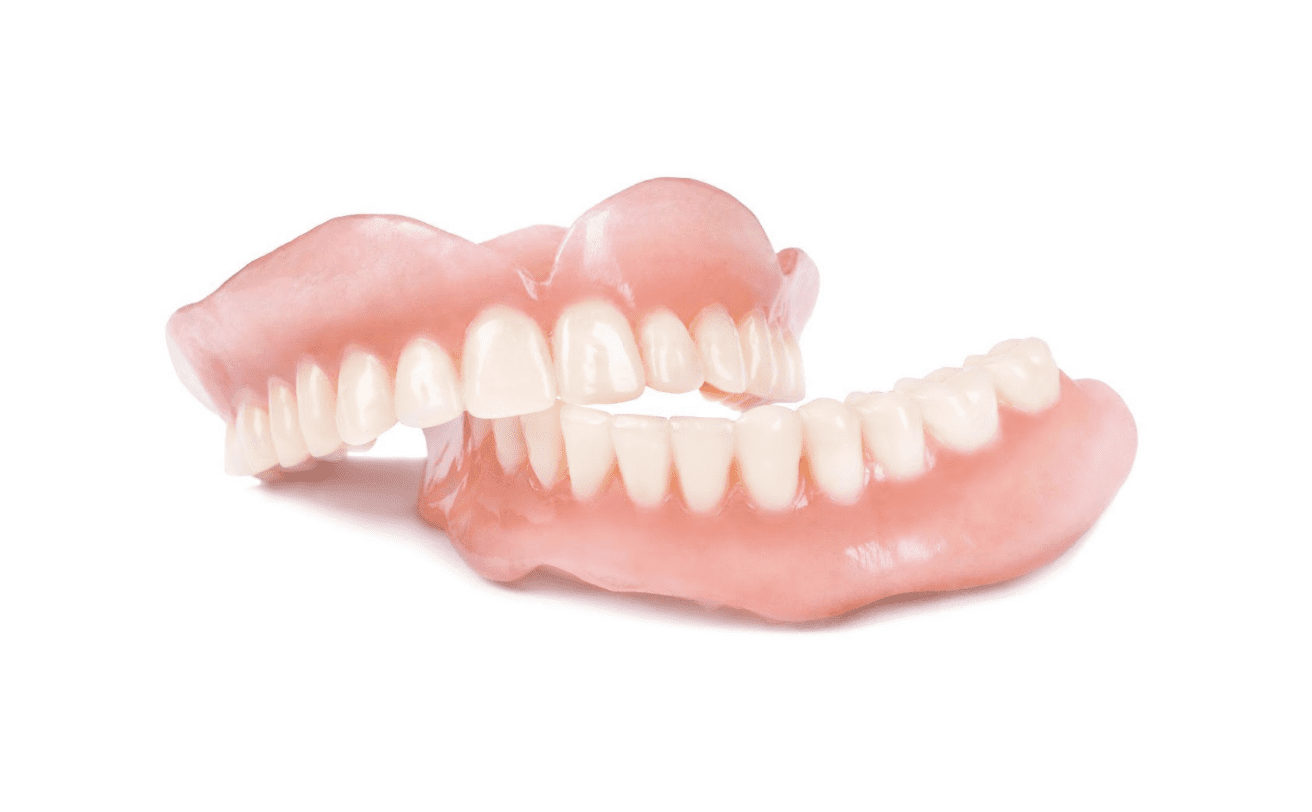
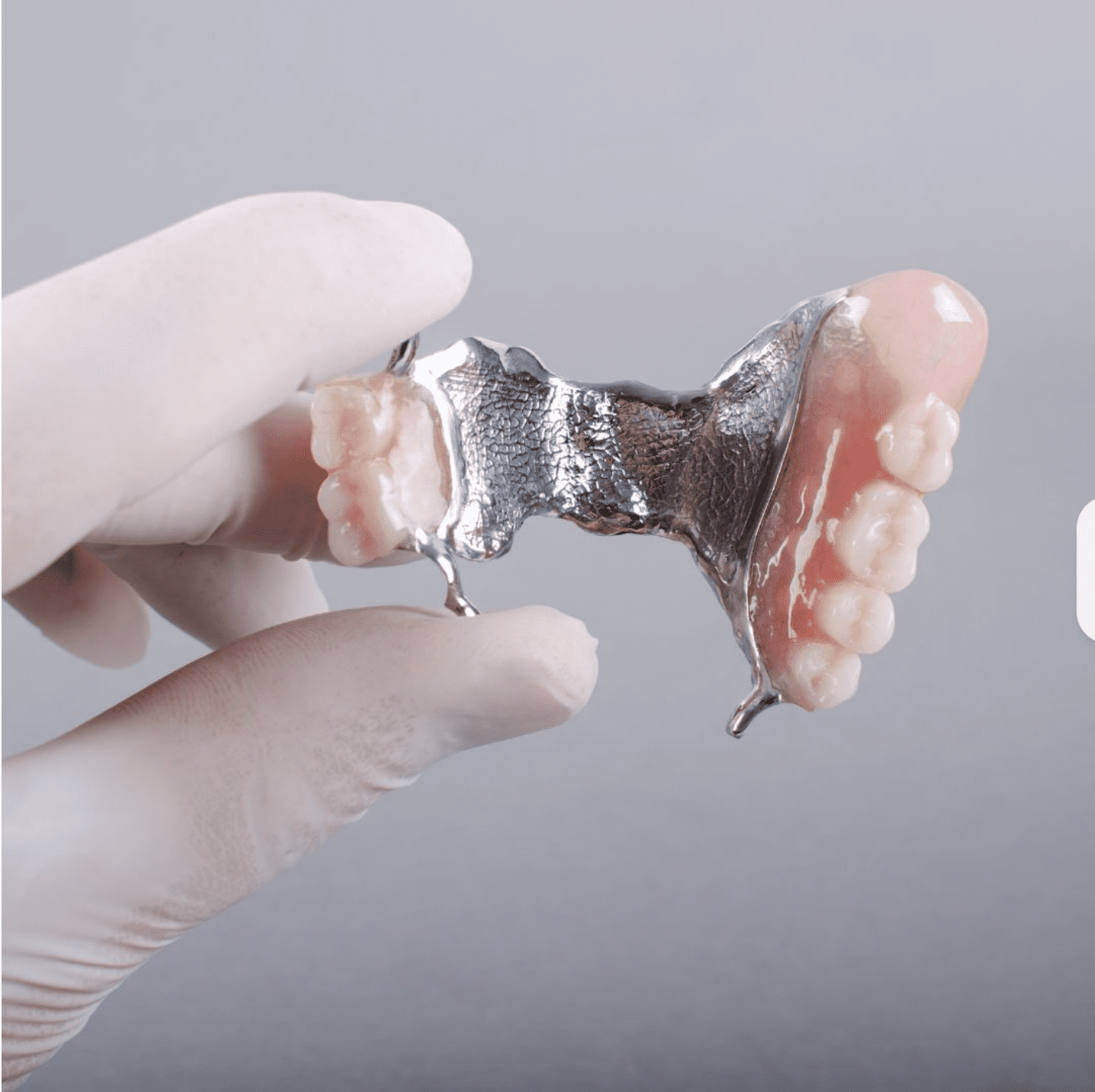
Dentures have come a long way in recent years, and many options are available to those who need them. When choosing new dentures, it’s important to keep several things in mind to ensure you’re getting the best possible product. 

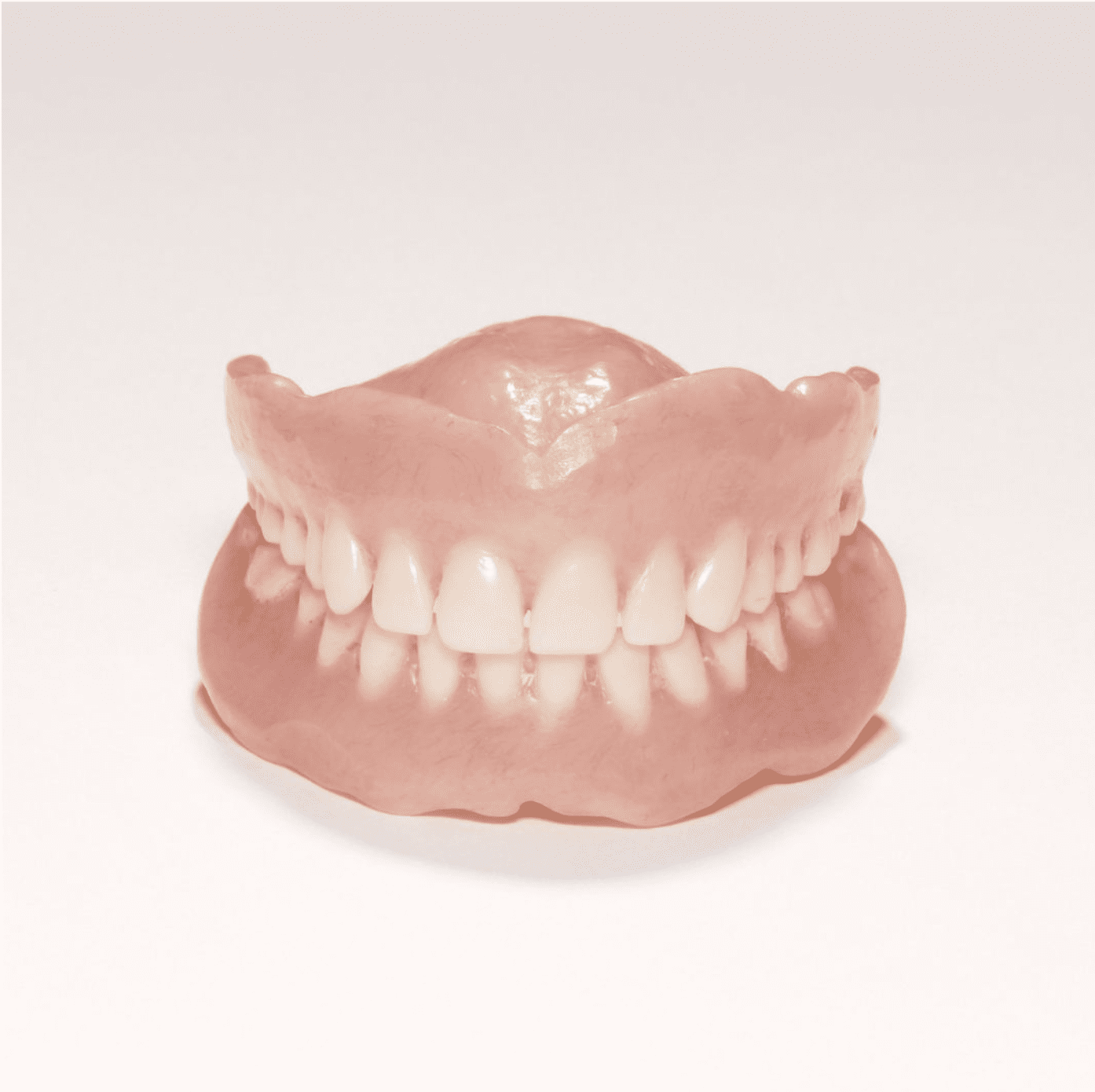
It’s no secret that not all dentures are created equal. In fact, there can be some pretty big differences between good dentures and bad dentures.

A few key things separate the good from the bad when it comes to dentures. Good dentures are made from high-quality materials that are durable and long-lasting, while bad dentures are made from inferior materials that are prone to breakage and wear.

The Fit

Good dentures are custom-made and should fit snugly and comfortably in your mouth. On the other hand, bad dentures are often mass-produced. Hence, they will often slip and slide around, causing discomfort and making it difficult to eat and speak properly.

The Look

Good dentures are made of high-quality materials that achieve a natural look and blend in with your smile. On the other hand, bad dentures are often made from lower-quality materials and can look fake, artificial, and obvious.

Book your appointment today for expert dental care in Weymouth!

Book Appointment Call Us

The Feel

Good dentures should feel smooth and natural in your mouth, while bad dentures can feel bulky and awkward
 

The Function

Good dentures should allow you to eat and speak normally, while bad dentures can make it difficult to do both.

The Price

Good dentures can be expensive, but they’re worth it in the long run. Bad dentures are often cheaper, but they won’t last as long or work

Good dentures should be affordable.

The Make

Good dentures are made by experienced denture makers, while inexperienced or unqualified individuals often make bad dentures.

The Guarantee

Good dentures come with a warranty and guarantee, are made to last, and can be repaired or replaced if necessary. On the other hand, bad dentures often do not.

The Maintenance

Good dentures are easy to care for and maintain, while bad dentures can be difficult to keep clean and can require a lot of care and maintenance.

Maintaining Oral Health for Those Who Wear Dentures

Oral hygiene is vital for everyone, but it’s especially important for people who wear dentures. Dentures are susceptible to build-up of plaque and bacteria, which can lead to gum disease and other oral health problems. That’s why it’s important to have an ongoing dental and oral health program for your dentures.

Here are some ways to maintain your dentures to keep them long-lasting:

  1. Brush your dentures every day with a soft-bristled brush.
  2. Use a denture-specific cleanser to remove plaque and bacteria.
  3. Soak your dentures overnight in a denture-soaking solution.
  4. Visit your dentist regularly for professional cleanings and checkups.

Conclusion

It is important to be able to tell the difference between good and bad dentures. Good dentures should fit snugly and comfortably in your mouth, while bad dentures may be ill-fitting and uncomfortable. Also, good dentures will be made of high-quality natural materials, while bad dentures may be made of cheap materials that look fake. 

If you’re in the market for new dentures, be sure to keep these things in mind, do your research and choose a reputable dentist. By selecting good quality dentures, you can ensure that you’ll be happy with your new smile for years to come!

Are you looking for a Weymouth dentist you can trust who specializes in denture repairs? The team at Weymouth Dental Arts is very skilled and provides a range of dental procedures. We make sure to examine every potential cause of your dental health problems in-depth and treat them all, leaving no stone unturned.
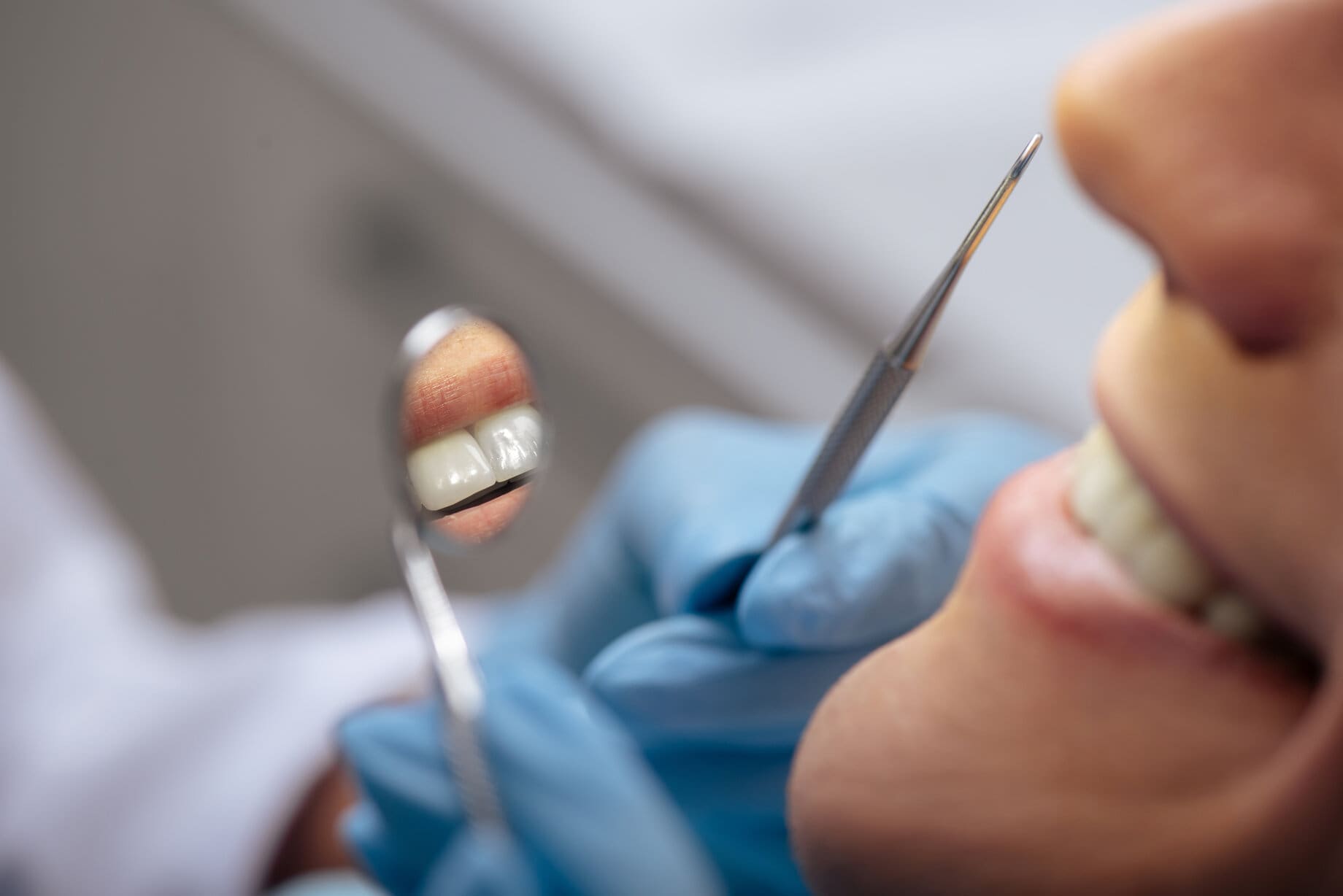
dentist in latex gloves holding dental instruments near smiling man

5 Good Reasons Veneers Are Great Options for Your Teeth

Even minor flaws in your smile can make you conscious, especially if you’re up for an interview or an important client call. After all, your smile’s one of the first things people see and remember about you, which clearly affects how the rest of the world sees you.

If your teeth do not look presentable, you might feel less confident, affecting how you socialize and do your day-to-day tasks.  Those experiencing this issue understand that even if you try to show yourself in the best possible light, a less-than-appealing smile might alter how you interact with others.

Should You Get Veneers?

Thus, in today’s highly competitive world, having a good set of teeth is no longer a luxury but a practical necessity. Here’s where veneers come in.

Veneers can correct the flaws in your smile with natural-looking teeth, boosting your confidence in more ways than one.

Here are five good reasons why veneers are great options for you:

They Function Just Like Real Teeth

Porcelain is used to make veneers look and feel like your natural teeth. The high-quality porcelain is held in place by a special dental resin and doesn’t need much care. Even though porcelain veneers aren’t as strong as porcelain crowns, they are more durable. They don’t chip, stain, or change color as quickly as porcelain crowns, as long as you don’t eat or drink things that are acidic.

Once they are in place, veneers are almost impossible to see, even up close. Even though veneers can’t be completely hidden, they look like the real deal.

They Give You That Bright Smile 

One of the best things about a smile is white teeth. Veneers are the best choice if your teeth are stained or discolored and you don’t want to go through a more involved dental procedure. 

With veneers, you can cover up stains and other discolorations on your teeth to make them look whiter and brighter. Veneers are often a great way to keep your teeth from getting stained when combined with good dental hygiene.

They Can Last for Many Years

If they are taken care of, they can last for decades. As you get older, your veneers and the area around them can change, which can cause the color of your teeth to change somewhat. In this case, your dentist can file down or change the porcelain veneers to make them fit better in your mouth.

Since veneers are glued to your teeth, they will eventually wear out. This usually happens between 10 and 20 years after they are put on. On the other hand, wear and tear on veneer happen slowly and is often hard to see. 

When the veneers start to break down, chip, or fall apart, your dentist will probably tell you to get new ones.

They Are Very Low Maintenance

Keeping your veneers in good shape is easy. You don’t have to do anything special to keep your veneers bright white. After veneers are put on, you should always brush and floss your teeth.

The material that veneers are made of, usually porcelain, doesn’t get stained like natural teeth when you drink coffee, tea, and red wine. You don’t have to worry about your teeth losing their color or getting stained.

It’s also essential to visit the dentist twice a year for a checkup. This lets your dentist find potential problems before they happen, so you can keep your smile healthy.

They Cover Gaps, Chips, and Cracks

Bonding is a treatment often used to fix small problems with teeth, like gaps, chips, or cracks. This is done by putting tooth-colored epoxy on the damaged area to fix it and make it look perfect again. 

However, dental veneers can do the same and last much longer than bonding. Porcelain veneers will last longer than resin veneers and won’t need to be fixed or touched up over time.

Conclusion

Veneers are a superb way to brighten your smile without too many changes. They are strong and last for a long time. Because they are made of high-quality porcelain and have a high-gloss finish, they look and feel like natural teeth.

Your unique smile also needs personalized dental care. If you need porcelain veneers in Weymouth, visit us at  Weymouth Dental Arts today. Meet our highly skilled team and check our wide range of dental treatments. Patients of all ages are welcome, so book your appointment today!

teeth set used in dental work

What Is the Difference between Implants and Dentures?

There are many different types of cosmetic dental procedures, and each one has its own advantages and disadvantages. Two of the most popular procedures are implants and dentures. But how are they different?

How Are Implants Different From Dentures

Dentures are a popular and effective solution for patients who have lost one or more teeth. They are custom-made to fit each patient’s individual mouth and can be made to look natural and realistic. Dentures can be worn during the day and removed at night, making them easy to care for.

Dental implants are another popular option for patients who have lost one or more teeth. Unlike dentures, dental implants are permanently fixed in place and can’t be removed. Dental implants are made of titanium and are surgically implanted into the jawbone. Once in place, they provide a strong and stable foundation for artificial teeth.

What Are the Pros and Cons of Implants and Dentures

When it comes to choosing the right dental prosthetic, there are a lot of factors to consider. Implants and dentures are both popular options, but they each have their own pros and cons.

Here’s a closer look at some of the key differences between these two options:

Implants

Here are some of the pros and cons of implants.

Pros:

  • Implants are a permanent solution. Once they’re in place, you don’t have to worry about them coming loose or falling out.
  • They’re very natural looking and feeling. With proper care, they can last a lifetime.
  • They don’t require any special care or cleaning. You can brush and floss them just like your natural teeth.
  • They can help to preserve your jawbone.

Cons:

  • They’re a more expensive option upfront.
  • They require surgery to place, which means there is a risk of complications.
  • They can take several months to heal properly.

Dentures

Here are some of the pros and cons of dentures.

Pros:

  • Dentures are a less expensive option upfront.
  • They’re easy to care for and don’t require any special cleaning.
  • They can be removed and put back in place easily.
  • They’re available in a variety of styles and colors.

Cons:

  • They’re not as permanent as implants. They can come loose and fall out, especially if you don’t get a good fit.
  • They don’t look or feel as natural as implants.
  • They can rub and irritate your gums.
  • They can make it difficult to eat certain foods.
  • They need to be replaced every few years as your mouth changes shape.

Which One Is Better, Implants or Dentures

There are a few different options available when it comes to tooth replacement, but which one is the best? Implants or dentures?

The answer to this question depends on a few different factors.

Budget

Implants are typically more expensive than dentures, so if cost is a major concern, dentures may be the better option.

Lifestyle

If you lead a very active lifestyle and are constantly on the go, implants may be the better choice. They’re more secure and won’t move around as dentures can.

Oral Health

You’re a good candidate for implants if you have good oral health and strong bones. However, dentures may be better if you have weak bones or poor oral health.

Recommendation

You need to talk to your dentist to see what they recommend. They’ll be able to help you make the best decision for your individual needs.

So, which is better? Implants or dentures? Ultimately, the decision of whether to get implants or dentures is a personal one. Be sure to talk to your dentist about all of your options before making a decision.

Conclusion

Implants are a great option for those who are looking for a more permanent solution to their tooth loss. Dentures, however, are a more affordable option and can be removed when necessary. Both options have pros and cons, so be sure to talk to your dentist to see which is right for you.

Weymouth Dental Arts offers dentures and dental implants in Weymouth, MA. We understand that losing one or more teeth can be a difficult and emotionally trying experience. That’s why we’re committed to providing our patients with the highest quality dental care and the best possible outcomes. Let us help you regain your smile and confidence back again. Schedule an appointment today!

Dentures on a white surface

Information That You Might Have Overlooked About Dentures

Your smile does more than just boost your confidence and makes you look good. Teeth play an important role in nutrition and health, from aiding in speech and food digestion to providing structure for the face. Although teeth are meant to last a lifetime, dental problems can arise for various reasons. In fact, according to one study, 6.4% of Canadians don’t have any teeth, and a significant portion of the population has at least one missing tooth.

Here’s where dentures come in. Whether you are considering getting dentures or already have them, there is a lot of information about this tooth replacement option. In this article, we have outlined some things you might have overlooked about dentures. Here are the following:

1. Dentures Are Not Just for People Who Lost All Their Teeth

Dentures are often associated with seniors who have lost all their teeth, but this prosthetic device can also benefit people who still have some natural teeth. Dentures can replace a single tooth, multiple teeth, or an entire arch of teeth and can also be used to support a dental bridge. They are custom-made to fit each individual’s mouth and can be removed and put back in as needed.

2. Denture Transition Can Be Assisted by Singing

Singing your speech is a little-known trick that can help you get used to your dentures. Speech therapists have long known that singing can help with speech problems. The same is true for patients who are new to dentures. When you sing, the muscles in your face and mouth are used differently than when you speak. This can help you get used to the feeling of having dentures in your mouth. It may also help you make fewer mistakes when you talk.

3. Dentures Are Worn by Young Ones Too

People of all ages may benefit from wearing dentures. While they are most commonly associated with the elderly, many younger people wear them. Here are some of the reasons why someone might choose to wear dentures:

  • To replace missing teeth. This can be due to tooth decay, gum disease, or an injury
  • To improve the appearance of their smile
  • To make chewing and speaking easier
  • To support the cheeks and lips, preventing sagging in these areas

4. Dentures Must Be Soaked Overnight

Dentures are often made from a material that is not as strong as natural teeth. So, soaking them overnight in water or a denture-soaking solution can help to keep them from drying out and becoming brittle. In addition, soaking dentures overnight can help to remove any food particles or other debris that may be stuck to them.

5. There’s a Transition Period

Dentures are often seen as a quick and easy way to replace missing teeth, but there is a transition period that people may have overlooked. Patience is required during this period, but once you’ve gotten used to the new feeling of having dentures, you’ll find yourself chewing, talking, and smiling again with renewed confidence.

Conclusion

Dentures can be an excellent option for people who have lost all or some of their natural teeth. However, there are some things that you need to consider before you get dentures. This includes the type of dentures you want, the cost, and whether you are a good candidate for dentures. If you are considering having one, be sure to talk to your dentist to find the best option for you.

Weymouth Dental Arts offers dentures in Weymouth for patients with missing teeth. Our office uses the latest and most advanced technologies to make your visit as quick and comfortable as possible. We thoroughly evaluate and treat all the contributing root factors related to your oral health, ensuring that we leave no stone unturned. Visit us now!

a set of dentures on a white surface

The Top 7 Warning Signs You Need New Dentures

Dentures must be meticulously cared for in order to survive as long as possible. This is because dentures are customized tools that help people speak, eat, smile, and live normal lives every day. As such, any discomfort or damage should be alarming.

Read on to discover the top warning signs you need new dentures.

The Chips, Cracks, and Breakages

Although you may have chipping, pitting, or fissures, not every incident results in tooth loss. These compounds may not compromise denture performance, but they may irritate or harm oral soft tissues. Fill in these flaws to keep them from getting worse.

Dentures can also break if they are dropped, walked on, or used excessively. Do not use a household adhesive or an over-the-counter repair product to reattach the tooth. An at-home connection may raise worries about future fit.

The Discomfort and Difficulty Chewing

Dentures won’t feel as natural as real teeth, but they shouldn’t hurt. If you have jaw pain, unequal pressure, or other discomforts, see a dentist or denturist. Sharp or severe pain near your canine teeth, especially when biting, could be an indication of bone resorption. Consult your dentist as soon as possible.

Along with discomfort, natural feeding patterns are restored with synthetic teeth. Dentures might have required some getting used to. If you continue to have difficulties chewing, your dentures may need to be adjusted on your gums.

The Fit Problems

Your upper dentures must be appropriately fitted. Bottom dentures float over the gums but fit comfortably in the mouth. While in place, partial dentures should not shift.

If your dentures do not fit properly or if the fit changes suddenly, they may need to be adjusted. Fitness is critical for avoiding pressure ulcers. Bending dentures to adjust their fit can cause them to break.

Moreover, teeth help to keep cheeks large and consistent. Dentures work in the same way as natural teeth do. Your dentures will need to be altered if your cheekbones or jawline change.

The Prevalent Sores

Dentures do not cause oral sores, although they can aggravate a number of ailments. Denture fissures can create canker sores and exposed tissue. Sores, inflamed soft tissue, and discolouration should all be looked at. 

Candida can be caused by dentures (thrush). White spots on the gums and tongue are caused by thrush. Thrush can destroy gum tissue and make dentures uncomfortable to wear.

Meanwhile, pressure sores are caused by improperly fitting dentures. Pressure sores can be caused by ill-fitting dentures. Pressure ulcers form when dentures put a strain on the gums. Denture pressure should be properly distributed. Adjust your dentures if a pressure sore develops.

The Gum Issues

It can be strange to put on dentures for the first time. Gums should not irritate once they have adjusted. Inspect the patient for wounds, pain, and bleeding. These symptoms may suggest a problem with your dentures. Brush your gums and palate twice a day with a soft-bristled toothbrush to relieve these sensations.

The Sudden Speech Issues

Speaking, like chewing, necessitates the use of teeth. Initial denture wearers may slur, lisp, or salivate excessively. Your speech should improve as you become used to your dentures.

If they return or your speech changes, you may need to make adjustments. Some words may be difficult to enunciate if your dentures are not properly fitted. Denturists can reshape dentures to fix the vast majority of problems.

The Stains and Odors

For maintenance, follow the manufacturer’s and dentist’s instructions. Daily brushing and rinsing are common practices. While cleaning your dentures, check for structural faults.

Examine the stains. A dentist can remove the majority of stains. Persistent scents after thorough cleaning may indicate a material fault.

Conclusion

It shouldn’t be difficult to keep your dentures safe and clean. With biannual dental or denturist appointments, you’ll have ample advice on how to extend the life of your dentures. This way, you can keep a healthy and comfortable mouth!

Are you looking for immediate dentures in Weymouth? The Weymouth Dental Arts team is here to cater to all your dental needs. Contact us today to schedule your first appointment!

Attentive dentist listening to female patient in cabinet

Things Your Dentist May Not Tell You after a Dental Filling

A dental filling is a common procedure to treat a cavity, but many patients may experience mild to moderate pain and discomfort afterwards. After a dental filling, taking care of your mouth and watching for any signs of discomfort is important. Our dentists recommend avoiding chewing hard foods, sticky sweets, and hot or cold drinks for at least 24 hours after filling. 

If you’re experiencing pain or sensitivity, you can take over-the-counter pain medication and use a cold compress on your cheek. Please call our office to book a follow-up if the pain persists. But before your visit, remember these to prevent more serious oral concerns.

Post-Filling Pain

If you have a new dental filling that is causing you pain, it may be because the filling is too high. This can happen as you move your jaw, speak, or chew. If the filling happens to be higher than the rest of your pearly whites, it is at a higher risk of cracking. Contact your dentist to have the filling smoothed or reshaped.

Adjacent Tooth Pain

After you get a dental filling, you may feel pain in the teeth next to the tooth that got the filling. This is normal and doesn’t mean there’s something wrong with your teeth. The tooth with the new filling is probably just sending signals to the nearby teeth. The pain should go away in one to two weeks.

If you experience any toothache-like symptoms after your new dental filling, it could be a sign that decay has reached the tooth’s pulp. If this is the case, you could require a root canal, so call your dentist if you think this may be a concern.

Post-Filling Sensitivity

The dental filling may cause increased sensitivity to cold or hot food and air for up to three weeks. You may also feel increased sensitivity from the pressure of biting with the new dental filling, particularly if the filling covers a deeper cavity. 

To avoid this problem after a filling, start brushing with a toothpaste designed for sensitive teeth. We also recommend avoiding hot or cold foods and drinks. For the first few weeks, try chewing your food on the other side of your mouth. Please contact our dentist’s office if the sensitivity does not go away after two weeks.

Sharp Pain in the Actual Filling

After your new filling is put in, you may notice that it is not as comfortable as it was when you were in the dentist’s chair. This is because your jaw is moving, and the anesthetic is wearing off. You may also notice that the filling is too high or that some sharp edges need to be smoothed. Contact your dentist for a quick follow-up so that they can address the problem.

Addressing Cavities

If your teeth are sensitive after getting a dental filling, talk to your dentist about other types of fillings. Each patient reacts differently to various types of metal fillings. Your dentist can also take extra preventive measures, like using a base, liner, or desensitizing agent.

Learn All about These on the First Visit at Weymouth Dental Arts

At Weymouth Dental Arts, we don’t let our patients discover these problems post-op. We supply them with necessary dental fillings while providing all necessary information for optimal post-dental filling care. Book your appointment with a dentist in Weymouth, MA, and learn more about fillings on our website!

Male dentist showing patient the artificial dentures

Let’s Look at the Popularity of Hybrid Implant Dentures

A hybrid implant denture is a type of denture attached to dental implants. Unlike traditional dentures, which are not attached to anything and can therefore slip and slide around in your mouth, hybrid implant dentures are firmly attached to your jawbone, providing a level of stability and security that is unmatched by any other type of denture. Here’s everything you need to know about this revolutionary dental tool.

Hybrid implant dentures are a type of denture that uses a full set of high-quality prosthetics to replace a full row of teeth. They differ from regular dentures in that your dentist fixes them into your mouth using a set of four dental implants, which support a titanium or gold bar that anchors a set of acrylic teeth. This bar is permanently fixed in one place and can only be removed by a dentist or oral surgeon.

Why Do Dentists Enjoy Using Them on Patients?

  • More affordable costs: Dental implants are the best way to replace a tooth, but they can be expensive. A single tooth implant can cost $1,500, and a full mouth of implants can cost $10,000 for just one row. In fact, a full row of dental implants (up and down) can reach as high as $23,000 without insurance! This is too expensive for many people.On the other hand, a hybrid implant denture is a type of denture that uses both artificial teeth and implants to support the denture. The implants are usually placed in the jawbone, and the artificial teeth are then attached to the implants. This type of denture is much more stable than a traditional denture and looks and feels more natural.Best of all is the actual cost. Since hybrid implants only use four total implants on one row of teeth, they only cost around $9,000 each without insurance!
  • Easier care: There are several different types of tooth replacement options available, each with its own set of pros and cons:
    • Dentures are the most affordable option but require the most maintenance and can be a hassle to keep clean. You must take your dentures out nightly for maintenance.
    • Dental implants are more expensive, but they are much easier to care for and don’t require special cleaning products or procedures.
    • Hybrid implant dentures are the most expensive option, but they offer the best of both worlds in ease of care and affordability. You can clean your dental implant like your natural teeth using regular toothpaste and water. There’s no need for special denture creams, adhesives, or liquids.
    • While dental implants are more costly and take more time to fix or replace, dentists can repair a broken hybrid denture easily.
    • The only difficulty in fixing a broken hybrid denture is replacing the titanium bar—but bar replacements have a very high success rate.

A hybrid implant denture may be a good option if you miss teeth. This type of denture uses both traditional denture materials as well as implants to secure the denture in place. With good oral hygiene, hybrid implant dentures can last for many years.

Get Hybrid Implants at Weymouth Dental Arts

At Weymouth Dental Arts, we offer denture patients a denture stabilization procedure that uses titanium implants to lock their dentures in place. Book your appointment with a dentist in Weymouth, MA, and learn more about hybrid implants on our website!

Upset woman having an intense dental pain

How You Can Determine What Dental Emergencies Are

There are a few different scenarios that would generally be considered dental emergencies. If you have a tooth that has been knocked out, are experiencing a severe toothache, have a large amount of swelling in your mouth or face, or have a cut or laceration on your tongue, gums, or cheek, you should seek emergency dental care right away.

But what constitutes one, and how do you determine them?

First, Ask Yourself These Questions

  • Am I experiencing severe pain or heavy bleeding? This may signify a more serious condition, and you should seek medical attention immediately.
  • Is there an infection in my mouth? If you feel you have or spot an abscess or serious infection, you should seek treatment immediately, as it could be life-threatening.
  • Do I have a lost tooth? It’s important to seek treatment quickly. There is a possibility the tooth can be saved if you receive treatment soonest. If you do, see a dentist right away. Adults should never lose teeth, so a loose tooth is a serious problem. Even if you’re not in pain, you need to have it checked out.

Then, Pay Attention to These Most Common Signs

  • Sudden toothaches: Your teeth are important for more than just aesthetics. They are integral for proper chewing and digesting food, speaking clearly, and maintaining good oral health. When you have a toothache, it can quickly disrupt your daily life and routine. 

    While there are many potential causes of tooth pain, it is important to seek professional dental care as soon as possible to ensure that the issue is properly diagnosed and treated. Emergency dental care can help you get relief from your toothache and get your life back to normal.

  • Gum problems: If your gums are bleeding for no reason or while brushing them, it’s a good idea to see your dentist. They can determine if there’s an underlying issue causing the bleeding. 
  • Swelling in the mouth or jaw: If your mouth or jaw suddenly becomes swollen for no apparent reason, you should visit an emergency dentist for immediate treatment. An infection, irritation to your lymph nodes, or some other factor may be causing the swelling, and professional dental care is necessary. 
  • Exposed nerves: Exposed nerves are extremely painful and can lead to infection, further nerve damage, or serious dental problems. Seek dental help immediately. 
  • A knocked-out tooth: If you have pearly whites that have been knocked out of the gumline, it’s important to take quick action. If you see a dentist right away, they may be able to reinsert and preserve them. 
  • Missing filling(s): If you have a missing tooth filling, it’s important to call your dentist right away. Without the filling, your tooth is at risk of breaking, chipping, and exposing the nerves. This can lead to other dental issues that require immediate treatment. 
  • Damaged crowns: If your dental crown falls off or breaks, it’s important to schedule an emergency dental visit to replace it. Without a dental crown, your tooth is exposed and vulnerable to infection and damage.

Get a Dentist from Weymouth to Solve All These and More

If you’re unsure about dental emergencies, you can drop by Weymouth Dental Arts immediately! We’re a dental office that provides customized dental care to patients of all ages. Book your appointment through our website!

Dental Fillings and Restorations

Dental fillings help “fill in” an area where tooth decay was removed. They can be made from a single material or a mixture of metal, plastic, glass or other materials. Fillings can also be used for the repair of broken or cracked teeth, as well as worn-down teeth caused by things like tooth grinding or nail biting.

Some materials used in dental fillings include:

  • Gold
  • Porcelain
  • Silver amalgam (mercury combined with tin, silver, copper and zinc)
  • Composite resin, used in tooth-colored fillings

Disadvantages of Silver Fillings 

Silver amalgam fillings are effective for filling cavities caused by tooth decay. Although they are not made of pure silver, they are often called silver fillings because of their appearance and color.

Although silver amalgam fillings are long-lasting and relatively inexpensive, they are not without some disadvantages. One is the fact that these fillings do not match the color of the teeth, making them really stand out.

They can also cause discoloration of the teeth over time. Silver amalgam fillings can cause sensitivity to hot and cold temperatures.

dental fillings | smiling man

Advantages of Tooth-Colored Restorations 

Composite resin fillings have the advantage of closely matching the color of surrounding teeth so that they blend in with your smile. Composite is made from a combination of plastic resin and powdered glass, and is commonly used for inlays, veneers, crowns and fillings.

Replacing Silver Fillings With a Tooth-Colored Restoration

Here are some reasons why you may want to replace an old silver filling with a tooth-colored restoration:

New Cavity

Most people don’t know that after a tooth has had a dental filling, it can still develop cavities. In fact, bacteria love to hang around the edge of dental fillings. So if you develop a new cavity at the edge of an existing filling, or underneath one, you may want to replace it with a tooth-colored filling.

Opening at Filling Edge 

In time, old silver fillings can began pulling away from a tooth, creating a small crack between the tooth and filling, leaving space for bacteria to hide and create tooth decay.

Cracked Tooth

It is not uncommon for a tooth to develop a crack around a dental filling. In some cases, a large filling can place undue stress on a tooth, leading to it becoming cracked. Once a crack has formed, bacteria can gain entry and cause tooth decay. This situation offers a good opportunity to replace an old silver filling with a new, tooth-colored one.

What To Expect

Your dentist would begin by numbing any teeth receiving fillings using a local anesthetic. They will remove all tooth decay with a dental drill. In the case of a tooth-colored filling, they would place composite within the tooth and mold it to fit the space within the tooth.

Your dentist applies composite in a series of layers, using a special light to harden the material after it has been applied. Your filling will appear very natural and restore the function of your tooth.

Pediatric Dentist Near Me: The Importance of Regular Pediatric Dentistry Visits

Almost 20% of kids between the ages of two and 19 have untreated tooth decay, according to the CDC. This surprising fact highlights the need for regular pediatric dentistry visits to educate parents and children in proper oral hygiene and to spot early signs of tooth decay.

Prevention Is Key

Dental problems lead to a loss of over 50 million school hours each year for children. It is recommended that children undergo routine dental checkups, as well as dental cleanings to safeguard their oral health and smile.

Dental Cleanings

Young children should have dental checkups at least twice yearly, according to the American Academy of Pediatric Dentistry. These important visits ensure that your child’s teeth remain free of cavities and that they can proudly display their teeth and smile.

A dental cleaning appointment usually involves a dental exam, in which your child’s dental team will be checking their teeth, mouth, gums, and related structures to ensure their health. This important visit also involves cleaning any plaque or tartar accumulations from their teeth to help prevent gum disease.

If any issues were detected, the dentist may be called in to take a look. If any treatments are recommended, you can go ahead and schedule them at this time.

Child smiling Weymouth pediatric dentistry

Fluoride Treatments

After we have cleaned your child’s teeth, we may recommend that they receive a fluoride treatment to prevent cavities and strengthen teeth. Just a few minutes of time allows us to brush a clear varnish onto the teeth of your child. After that, they just need to wait at least 30 minutes before eating and drinking to give their teeth time to absorb the fluoride.

Dental Sealants

Dental sealants are a great way to protect your child’s teeth, particularly those hard-to-reach back molars. This is a fast and simple treatment that puts up a protective shield over these teeth, locking out oral bacteria and preventing tooth decay. In fact, the American Dental Association has found that sealants prevent up to 80% of childhood cavities.

  • Fast treatment
  • No drilling or anesthesia required
  • Prevents the need for costly dental work in the future

Schedule Your Child’s Appointment

If you found yourself recently searching Google for “pediatric dentist near me,” we invite you to contact our office today. Whether it’s to schedule a dental exam or cleaning, receive educational resources on oral hygiene, or to simply meet and greet our dental team, we stand ready to assist your child in maintaining their oral health for years to come. Contact us today!

781-650-7599