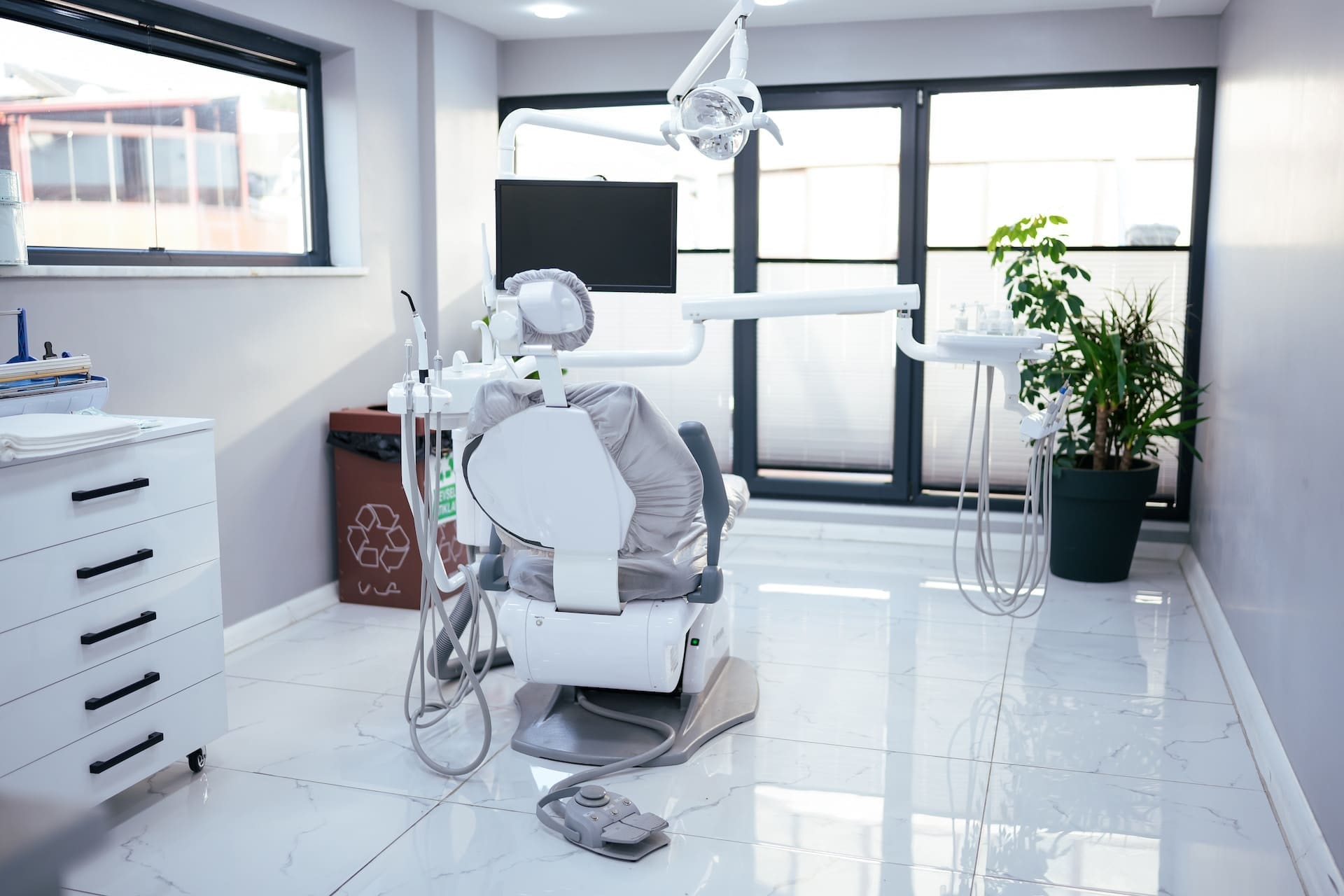
dental office

The Impact of Orthodontic Treatments on Your Oral Health and Confidence

Orthodontic treatments play an essential role in promoting not only better oral health but also improved self-confidence. A beautifully aligned smile can significantly enhance one’s appearance, boost self-esteem, and help individuals feel more comfortable in social and professional settings.

In this blog post, we will delve into traditional braces and clear aligners, discussing the pros and cons of each treatment option and how to determine the best choice for your needs. We will also examine the benefits of early orthodontic intervention for children and teenagers, emphasizing the importance of timely evaluation and treatment to prevent complicated issues later in life. Finally, we will highlight the impact of orthodontic treatments on overall confidence, illustrating the life-changing effects a straighter smile can have on personal growth and well-being. 

Join us as we explore the world of orthodontics, and let Weymouth Dental Arts be your guide to achieving a healthier, more confident smile.

Traditional Braces: Pros, Cons, and Candidacy

Orthodontic treatments have come a long way, but traditional metal braces remain a popular choice for those seeking a straighter smile. Here, we explore the advantages, drawbacks, and ideal candidates for this time-tested option.

  • Overview of Traditional Metal Braces

Traditional braces consist of metal brackets, archwires, and elastic bands that work together to gradually shift the teeth into proper alignment. They are versatile, effective for treating a variety of orthodontic issues, and are often the most affordable option.

  • Pros and Cons of Metal Braces

The primary advantage of traditional braces is their efficiency in correcting complex dental issues, including overbites, underbites, crossbites, and severe crowding or spacing. Additionally, as they are cemented to the teeth, there is no risk of losing aligner trays during treatment.

However, metal braces have some downsides, such as the potential for discomfort and difficulty with eating certain foods. Moreover, their visibility may deter some individuals from pursuing treatment.

  • Ideal Candidates for Traditional Braces

Those with severe orthodontic issues, strong oral hygiene habits, and a willingness to forgo certain foods during treatment are typically suitable candidates for metal braces.

Clear Aligners: A Discreet Alternative to Braces

Clear aligners, such as Invisalign, offer a more discreet and flexible solution to traditional braces. Let’s examine the advantages of this modern orthodontic treatment and how to determine if it’s right for you.

  • Introduction to Clear Aligners (Invisalign)

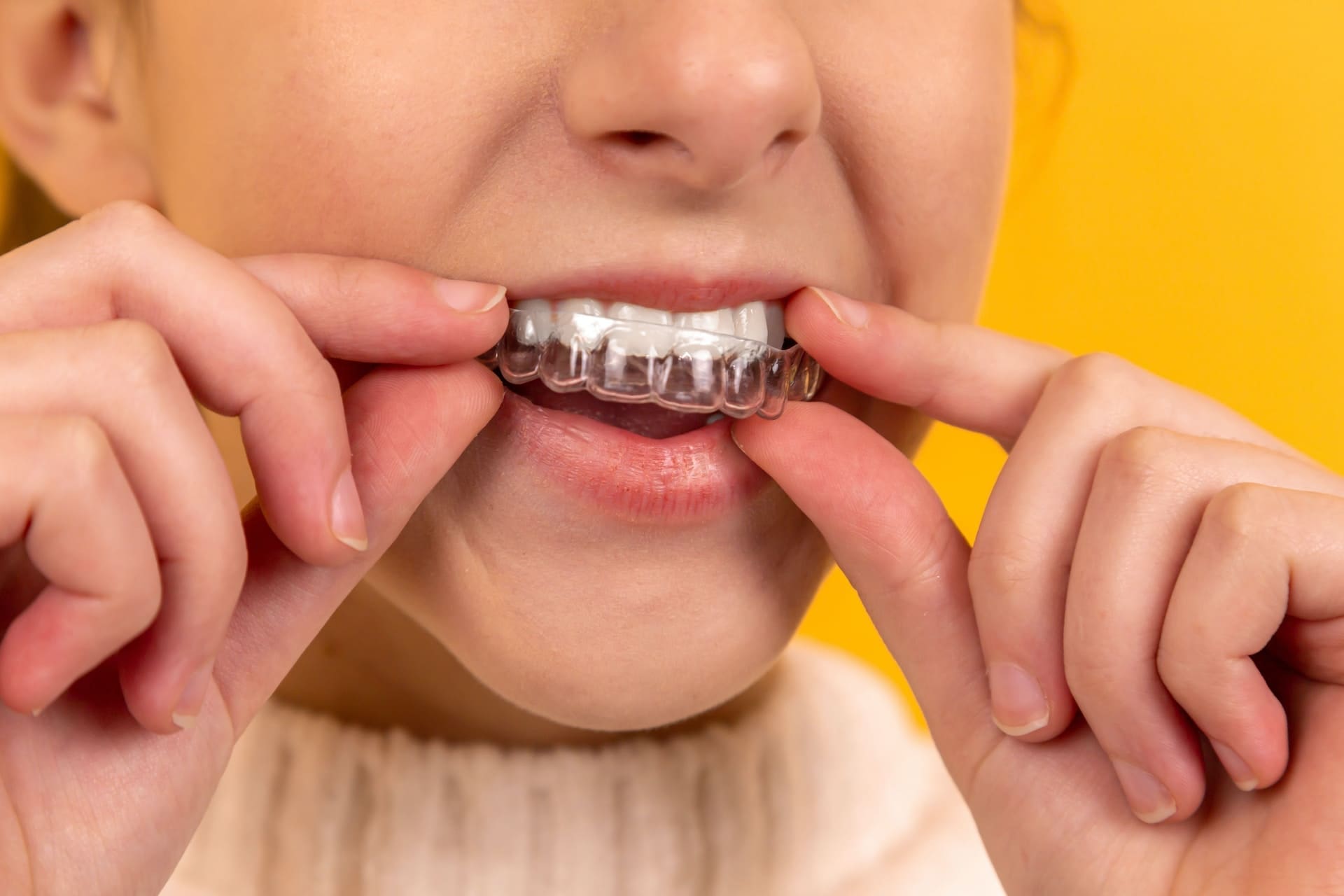
Clear aligners are custom-made, removable trays fabricated from clear medical-grade plastic. They gradually shift teeth into alignment through a series of progressively adjusted trays worn for 20-22 hours a day.

  • Advantages of Clear Aligners

The primary benefit of clear aligners is their nearly invisible appearance, making them popular among adults and image-conscious teenagers. Additionally, they can be removed for eating, drinking, brushing, and flossing, which reduces dietary restrictions and promotes better oral hygiene.

  • Determining if You’re a Good Candidate for Clear Aligners

Clear aligners are best suited to those with mild to moderate orthodontic issues, diligent oral hygiene habits, and a desire for discreet treatment. However, they may not be suitable for individuals with severe dental misalignments or complex issues.

The Benefits of Early Orthodontic Intervention

Early orthodontic evaluation and intervention can be crucial for preventing more severe issues later in life. Here, we discuss the importance and benefits of addressing orthodontic problems in pediatric patients.

  • Importance of Early Orthodontic Evaluation for Children and Teenagers

The American Association of Orthodontists recommends that children undergo their first orthodontic screening at the age of 7. This early evaluation enables your orthodontist to detect and address developing issues before they worsen.

  • Potential Benefits of Early Treatment

Early orthodontic intervention can prevent more advanced problems, reduce the need for extensive treatments, and in some cases, yield better results than waiting until adulthood.

  • How Early Intervention Can Save Time and Money in the Long Run

Addressing orthodontic concerns in childhood can often reduce treatment duration and associated costs, as well as minimize the risk of dental complications, extractions, or surgical procedures in later years.

Orthodontic Treatments and Your Confidence

A beautiful, straight smile has more than just aesthetic benefits — it can also transform your confidence and self-esteem. In this section, we explore the psychological impact of orthodontic treatments.

1. The Psychological Impact of Orthodontic Treatments

Orthodontic treatments can lead to renewed confidence, alleviating feelings of embarrassment or self-consciousness associated with misaligned teeth.

2. How a Straighter Smile Can Boost Self-Esteem and Confidence

A well-aligned smile can empower individuals to engage in social activities, boost career confidence, and improve overall well-being.

Conclusion:

A straight, healthy smile is about more than just appearances. It’s about improving your overall health and boosting your confidence to help you achieve your full potential. Whether through traditional braces or modern clear aligners, investing in orthodontic treatment can bring lasting benefits to both your dental health and your quality of life. 

At Weymouth Dental Arts, we offer a range of orthodontic solutions designed to cater to the diverse needs and preferences of our patients. Our team of dedicated orthodontists provides exceptional orthodontic care that fits your needs and lifestyle, helping you achieve the beautiful, confident smile you deserve. Take the first step toward a healthier, more radiant smile. Contact us today to schedule an orthodontic consultation!
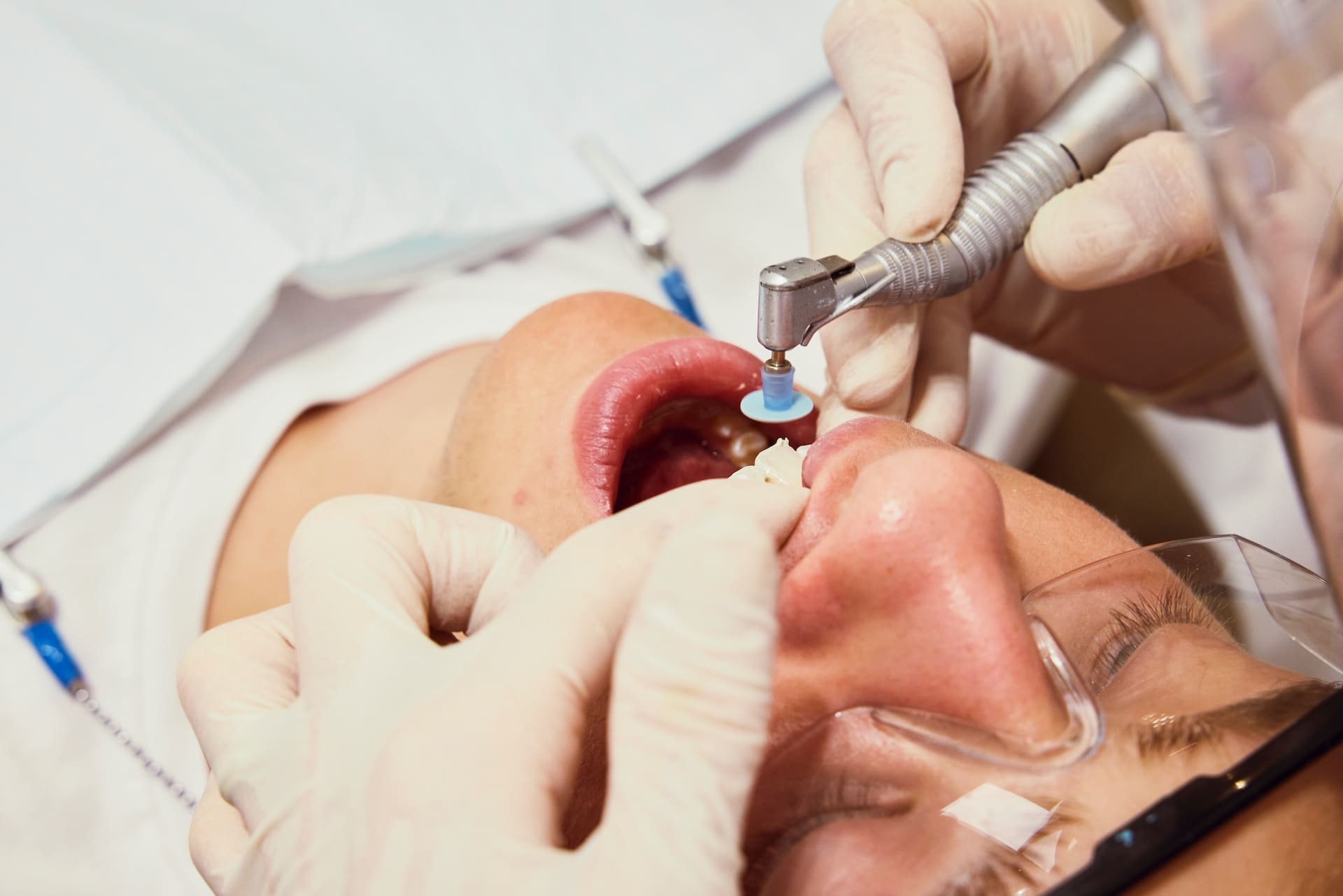
dentist

Achieving Your Dream Smile: Understanding the Process and Benefits

Living with missing teeth can significantly impact an individual’s ability to chew, speak, and smile confidently. Replacement options such as dental bridges or dentures may not provide the desired comfort, stability, or aesthetics. 

Fortunately, dental implants offer a reliable and natural-looking solution for individuals seeking to improve their smile and oral health. Weymouth Dental Arts specializes in providing patients with high-quality dental implant solutions in a comfortable and compassionate environment guided by our skilled dental team.

In this blog post, we will explore the world of dental implants, discussing their components, the ideal candidates for this treatment, and how they work to replace missing teeth. We will also delve into the dental implant process at Weymouth Dental Arts, outlining the journey from the initial consultation and treatment planning to the implant placement and final restoration. 

Moreover, we will examine the many benefits of dental implants, including their natural appearance and function, as well as improved oral health, convenience, and durability. Lastly, we will showcase the expertise, dedication, and advanced technology available at Weymouth Dental Arts, ensuring our patients a seamless dental implant experience.

Join us as we uncover the process and advantages of dental implants, and learn how Weymouth Dental Arts’ expert dental team and state-of-the-art technology can help you achieve the radiant, functional smile you’ve always desired.

What Are Dental Implants?

Dental implants are a popular and reliable solution for replacing missing teeth, providing an unmatched level of stability and comfort.

Definition and Components

A dental implant is a small titanium post that serves as an artificial tooth root, integrating with the jawbone to support a dental crown, bridge, or denture. Dental implants consist of three main components: the implant itself, an abutment to connect the implant to the final restoration, and the final restoration (crown, bridge, or denture).

Ideal Candidates

Ideal candidates for dental implants have reasonably good oral health, sufficient jawbone density to support the implant, and healthy gums free from periodontal disease. However, certain conditions or circumstances, such as smoking or uncontrolled diabetes, may affect the success rate of dental implants. A thorough evaluation by the dental team at Weymouth Dental Arts will determine if a patient is a suitable candidate for dental implants.

The Dental Implant Process at Weymouth Dental Arts

The dental implant process at Weymouth Dental Arts is a comprehensive journey, from the initial consultation through to the final restoration of the implant.

1. Initial Consultation and Treatment Planning

Our dental team will conduct a thorough assessment during the initial consultation, including dental and medical history, dental X-rays, and a clinical examination. This evaluation will help determine the most suitable dental implant solution to address the patient’s unique needs and preferences. A treatment plan outlining the proposed treatment steps, timeline, and cost will be developed.

2. Implant Placement

Placing the dental implant involves a surgical procedure whereby the titanium post is inserted into the jawbone. This procedure is performed under local anesthesia or sedation, ensuring the patient’s comfort. Once the implant is placed, it needs time to integrate with the jawbone, typically taking a few months before the final restoration can be completed.

3. Final Restoration

After the implant fuses with the jawbone, an abutment is attached to the implant, connecting it to the final restoration. The final restoration, a crown, bridge, or denture, is custom-made to match the patient’s natural tooth color and shape, ensuring a seamless and aesthetic result.

Benefits of Dental Implants

Dental implants offer numerous advantages over traditional restorative options.

Natural Appearance and Function

Dental implants resemble and function like natural teeth, allowing patients to chew, speak, and smile confidently. The final restoration is crafted to match the patient’s existing teeth, providing a natural and harmonious appearance.

  • Improved Oral Health

By replacing missing teeth, dental implants help prevent the shifting of neighboring teeth, ultimately reducing the risk of dental complications such as gum disease and tooth decay. Implants also help preserve jawbone structure, preventing bone loss and facial collapse that can occur with missing teeth.

  • Convenience and Durability

Dental implants eliminate the need for adhesives or special cleaning solutions required for traditional dentures. With proper care, dental implants can provide a long-lasting solution, and their success rate is significantly higher than other tooth replacement options.

Expertise and Advanced Technology at Weymouth Dental Arts

Weymouth Dental Arts offer exceptional dental care and state-of-the-art services to provide patients with a comfortable and successful dental implant experience.

  • Highly Skilled Dental Team

Our dental team at Weymouth Dental Arts is highly skilled and experienced in providing dental implant solutions. We are dedicated to ensuring each patient receives the highest level of care to achieve the best possible outcome.

  • State-of-the-Art Equipment

Weymouth Dental Arts invest in the latest dental technology, enabling our dental team to provide patients with advanced and cutting-edge dental implant treatments. Our modern equipment, coupled with our extensive expertise, ensures a smooth and successful dental implant experience.

Conclusion

Dental implants can dramatically transform a patient’s smile, oral health, and overall quality of life. By providing exceptional dental care, advanced technology, and a patient-centered approach, Weymouth Dental Arts can guide and support patients in their journey toward achieving their dream smile. Discover the life-changing benefits of dental implants and entrust our expert dental team with your treatment so you, too, can experience the confidence, comfort, and convenience this remarkable solution offers.

Are you ready to transform your smile and restore oral health with dental implants in Weymouth? Schedule your consultation with our experienced dental team at Weymouth Dental Arts today by calling (555) 555-5555 or booking online through our website. Take the first step towards a stunning, functional smile! 

dentist

Enhancing Smiles: Discover the Comprehensive Benefits of Smile Makeovers

The power of a beautiful, radiant smile is undeniable, as it plays a critical role in our confidence, self-esteem, and interactions with others. Issues such as stained, misaligned, or missing teeth often prevent us from realizing our full smile potential. This is where the transformative impact of a smile makeover comes into play. At Weymouth Dental Arts, we understand the importance of a healthy, attractive smile and are committed to providing our patients with comprehensive and personalized smile makeover solutions. 

In this blog post, we will delve into the various high-quality dental services that contribute to a complete smile makeover, including dental implants, dentures, teeth whitening, porcelain veneers, and other cosmetic and restorative procedures.

Join us as we discover the transformative power of smile makeovers, discuss the personal and professional advantages of enhancing your smile, and learn how Weymouth Dental Arts can help you achieve the radiant, healthy smile you’ve always desired.

Components of a Smile Makeover

A smile makeover is a comprehensive dental treatment plan that combines various dental services designed to address each patient’s unique needs.

  • Dental Implants

Dental implants offer a permanent and natural-looking solution to replace missing teeth. They consist of titanium posts surgically placed into the jawbone to support dental crowns or bridges, providing unparalleled stability and comfort.

  • Dentures

Dentures are custom-made, removable dental prosthetics designed to replace missing teeth. They can be complete (replacing all teeth) or partial (replacing several teeth), restoring function and appearance while offering support for facial muscles.

  • Teeth Whitening

Professional teeth whitening treatments can significantly brighten your smile, removing stains and discoloration caused by various factors such as age, smoking, and consuming certain foods or beverages. Weymouth Dental Arts offers both in-office and at-home teeth whitening solutions tailored to your preferences and needs.

  • Porcelain Veneers

Porcelain veneers are thin, custom-made shells crafted to cover the front surface of teeth, offering an instant improvement in appearance. They can correct discoloration, gaps, chips, and mild alignment problems, providing a natural and durable solution for a stunning smile.

  • Cosmetic and Restorative Procedures

In addition to the abovementioned services, smile makeovers may include other cosmetic and restorative procedures such as dental bonding, crowns, bridges, gum contouring, and orthodontic treatments to create a harmonious and beautiful smile.

The Power of Personalized Treatment Plans

Weymouth Dental Arts emphasizes personalized treatment plans to ensure that each patient receives the most suitable and effective solution for their unique smile aspirations.

  • Assessing Patients’ Unique Needs and Goals

Our dental team takes the time to thoroughly assess a patient’s oral health, evaluate their dental history, and discuss their preferences and goals. This process allows us to create a customized smile makeover strategy that addresses individual needs while considering factors such as facial features, skin tone, and oral health conditions.

  • Customized Smile Makeover Solutions

Every smile makeover at Weymouth Dental Arts is tailored to the patient’s specific needs, ensuring that each procedure contributes to achieving the desired outcome. Our dental team remains dedicated to updating and revising treatment plans as necessary, guaranteeing a truly customized experience and optimal results.

Confidence and Well-being: The Benefits of a Smile Makeover

The impact of a smile makeover goes beyond enhancing one’s physical appearance. It can also significantly boost self-esteem and overall well-being.

  • Improved Physical Appearance

A dazzling, well-aligned smile can dramatically improve an individual’s appearance, making them look more youthful and confident. This enhancement makes patients feel better about themselves and often inspires them to maintain excellent oral hygiene and take better care of their teeth.

  • Boosted Self-Esteem

A beautiful, healthy smile can have a substantial positive effect on self-esteem. This confidence can ripple into other aspects of life, such as enhancing personal and professional relationships, increasing overall happiness, and improving mental well-being.

  • Enhanced Oral Health

A smile makeover addresses various dental issues that may have caused discomfort or affected a patient’s oral hygiene routine. By resolving these issues, patients often experience improved oral health and a reduced risk of future dental problems.

Expertise and Dedication: The Weymouth Dental Arts Difference

Weymouth Dental Arts is committed to providing the highest level of dental care in a comfortable and caring environment to create the perfect smile makeover experience.

  • Comprehensive Dental Services

Our dental practice is exceptionally experienced in offering a wide range of dental treatments, allowing us to devise comprehensive and tailored treatment plans that address the full spectrum of our patient’s needs.

  • Patient-Centered Approach

We believe in a patient-centered approach, where our dental team takes the time to listen and understand each patient’s unique needs and preferences, ensuring a personalized and comfortable experience throughout their smile makeover journey.

Conclusion

A smile makeover is a powerful tool for rejuvenating one’s appearance, boosting confidence, and improving oral health. By considering various dental services, including dental implants, dentures, teeth whitening, porcelain veneers, and more, Weymouth Dental Arts is dedicated to providing comprehensive and personalized treatment plans to achieve your dreams’ radiant, healthy smile. Experience the transformative power of a smile makeover and let our expert dental team guide you toward a more beautiful and confident you.

Ready to embark on your smile makeover journey? Schedule a consultation with our skilled dental team at Weymouth Dental Arts by calling (555) 555-5555 or booking online through our website. Your dream smile awaits, so see a top dentist in Weymouth, MA, now. 

invisalign

Invisalign vs. Traditional Braces: A Comprehensive Comparison for Your Orthodontic Needs

Orthodontic solutions have significantly evolved over the years, and patients now have more options than ever to choose from when it comes to straightening their teeth and achieving a confident smile. Invisalign aligners and traditional braces are among the most popular and widely-used treatments. While both options are designed to correct dental issues such as crooked teeth, malocclusion, or overcrowding, each has unique features and benefits.  Understanding the distinctions between these two treatment options and considering personal preferences, lifestyle factors, and dental conditions is crucial in making the right decision for your orthodontic needs. At Weymouth Dental Arts, we prioritize providing personalized orthodontic care and consultation, helping patients make informed choices and benefit from the most suitable treatment plan to improve their smiles. In this blog post, we will delve into the specifics of Invisalign aligners and traditional braces, highlighting differences in treatment methods, appearance, convenience, and comfort. We will also explore the effectiveness and suitability of each option, comparing treatment outcomes and emphasizing the need to consider personal preferences and dental conditions.  Lastly, we will demonstrate how Weymouth Dental Arts offers expert consultation, assessment, and comprehensive orthodontic solutions to support you in making the right decision for your orthodontic journey. Join us as we compare Invisalign and traditional braces in-depth and showcase Weymouth Dental Arts’ dedication to delivering personalized and effective orthodontic care tailored to individual needs and preferences.

Invisalign vs. Traditional Braces: A Comprehensive Comparison for Your Orthodontic Needs

Treatment Methods: Invisalign vs. Traditional Braces

Both Invisalign aligners and traditional braces aim to correct misaligned teeth and improve oral health, but their treatment methods differ in various aspects.

a. Aligners vs. Brackets and Wires

Invisalign utilizes a series of clear, custom-made aligners designed to gradually shift your teeth into their desired position. These aligners are swapped every two weeks to continually progress your treatment. In contrast, traditional braces use metal brackets, wires, and rubber bands to apply continuous pressure on teeth, progressively moving them over time.

b. Duration of Treatment

The average treatment time for Invisalign may range from 12-18 months, depending on the patient’s specific orthodontic needs. Traditional braces usually require more time, with treatment often lasting between 18-24 months. However, the exact duration will differ based on individual conditions and the complexity of the dental issues being addressed.

Book your appointment today for expert dental care in Weymouth!

Book Appointment Call Us

Appearance: Clear Aligners vs. Metallic Braces

Appearance is a significant concern when selecting an orthodontic treatment, and it’s essential to understand the aesthetic differences between Invisalign and traditional braces.

a. Aesthetics and Confidence

Invisalign aligners are made from transparent, medical-grade plastic, rendering them virtually invisible compared to the metallic components of braces. The discreet nature of clear aligners often appeals to patients who feel self-conscious about their appearance during treatment.  On the other hand, traditional braces, although more noticeable, can be customized with colored rubber bands to reflect a patient’s unique style or preferences.

Convenience and Comfort: Aligners vs. Braces

Both Invisalign and traditional braces come with distinct advantages in terms of convenience, comfort, and the ability to adapt to a patient’s daily life.

a. Removability and Adjusting

Invisalign’s clear aligners are entirely removable. This removability allows patients to eat, drink (except water), and brush their teeth without any impediments. However, it’s crucial to wear the aligners for at least 20-22 hours per day to guarantee treatment effectiveness. In contrast, traditional braces are fixed and can only be removed by a dentist, which requires dietary adjustments and more intricate oral hygiene practices.

b. Eating and Oral Hygiene

With Invisalign, patients can easily remove their aligners during meals, eliminating the risk of damaging their aligners or being restricted in their food choices. However, it is essential to brush your teeth before reinserting the aligners to prevent staining and maintain proper oral hygiene. Traditional braces may require more significant alterations to one’s diet and careful cleaning to prevent food particles from getting trapped between the braces.

Effectiveness and Suitability: Which Option Is Right for You?

Every patient’s orthodontic needs and preferences are unique, and understanding the effectiveness and suitability of each treatment option is crucial to making an informed decision.

a. Comparing Treatment Outcomes

Both Invisalign and traditional braces have proven effective in treating various orthodontic issues from mild to moderate severity. However, traditional braces may be more suitable for complex dental cases that require significant tooth or bite adjustments.

b. Considering Personal Preferences and Dental Conditions

Expand on this section with the following points: Deciding between Invisalign and traditional braces often comes down to personal preferences, such as appearance, comfort, and convenience. However, a dentist’s assessment of a patient’s dental condition and the severity of the dental issues being addressed will ultimately determine the most appropriate treatment option.

Personalized Orthodontic Care at Weymouth Dental Arts

Weymouth Dental Arts is committed to providing exceptional orthodontic care tailored to patients’ unique needs and preferences.

a. Expert Consultation and Assessment

Our dental team takes the time to thoroughly examine your teeth and jaw, evaluate your dental history, and discuss your concerns and preferences, ensuring a personalized treatment plan that aligns with your goals and oral health requirements.

b. Comprehensive Orthodontic Solutions

Whether Invisalign or traditional braces are deemed the most suitable treatment plan for you, our skilled and compassionate team is dedicated to helping you achieve a beautiful and healthy smile through expert orthodontic care.

Conclusion

Invisalign and traditional braces offer different advantages and results for patients seeking orthodontic treatment. A thorough understanding of each option’s unique features, effectiveness, and appearance can help guide your decision-making process.  At Weymouth Dental Arts, we pride ourselves on providing personalized consultation, expert care, and the vital support you need to navigate your orthodontic journey with confidence. No matter which treatment you choose, we will assist you in achieving the ideal smile you desire and deserve. Let our dependable dentist in Weymouth, MA, help you decide on the best orthodontic treatment for your unique needs. Schedule your consultation today via phone or book an appointment online through our website.
tobacco

The Impact of Tobacco on Oral Health: Understanding the Risks and Steps to Protect Your Smile

Tobacco use significantly threatens oral health, leading to various dental issues such as gum disease, tooth decay, and oral cancer. Understanding the risks associated with tobacco use and taking appropriate measures to protect your smile is crucial in maintaining optimal dental health. At Weymouth Dental Arts, our priority is to educate and support our patients in making informed decisions for their oral health, providing expert care for tobacco-related concerns, and helping them achieve a lifetime of healthy smiles.

In this blog post, we will examine the hazards of tobacco use, both in smoking and smokeless forms, and explore the common dental issues linked to its consumption. We will delve into the prevention and treatment of gum disease, one of tobacco use’s most prevalent oral health concerns.

The Risks of Tobacco Use on Oral Health

Tobacco use, whether through smoking or smokeless forms, significantly compromises oral health and puts individuals at risk for various dental issues.

a. Smoking and Smokeless Tobacco

Smoking tobacco is a leading cause of poor oral health. However, smokeless tobacco is also a concern, as it contains high levels of sugar, which promote tooth decay, and abrasive particles that can cause tooth wear.

b. Common Dental Issues Associated with Tobacco Use

Tobacco use can lead to a range of dental issues, including gum disease, tooth decay, tooth discoloration, bad breath, and oral cancer. It also impairs the body’s immune system, making healing from dental infections or procedures more challenging.

Gum Disease: Prevention and Treatment

Gum disease, a prevalent issue related to tobacco use, requires proper care and attention to prevent and manage its impact on oral health.

a. Steps to Prevent Gum Disease

  1. Quit tobacco usage: Eliminating tobacco consumption is the most effective way to reduce the risk of gum disease.
  2. Brush and floss regularly: Maintain good oral hygiene by brushing twice daily and flossing at least once a day to remove plaque and prevent tartar buildup.
  3. Use an anti-microbial mouthwash: Mouthwashes with anti-microbial properties can help to reduce harmful oral bacteria.
  4. Stay hydrated: Drinking plenty of water promotes saliva production, which aids in flushing away harmful bacteria and food particles.

b. Treatment Options for Gum Disease

  1. Scaling and root planing: A deep cleaning procedure to remove plaque and tartar from teeth and smooth the root surfaces.
  2. Medications: Antibiotics or anti-microbial agents may be prescribed by your dentist to help fight bacterial infections.
  3. Periodontal surgery: In severe cases, surgical intervention such as flap surgery, bone grafts, or gum grafts may be necessary to repair oral tissue and bone damage caused by gum disease.

Tips for Maintaining Good Oral Hygiene

Maintaining healthy oral hygiene is essential in preventing tobacco-related dental issues and preserving your smile.

a. Brushing and Flossing Techniques

  1. Use a soft-bristled toothbrush and fluoride toothpaste to clean all tooth surfaces effectively.
  2. Utilize gentle circular motions while brushing to avoid damage to the gums and enamel.
  3. Replace your toothbrush every three months or when the bristles become worn and frayed.
  4. Floss daily using proper wrapping and gliding techniques to remove plaque and food particles from between teeth and below the gum line.

b. Regular Dental Check-ups

Schedule dental check-ups and cleanings at least twice a year, allowing your dentist to monitor your oral health and detect any issues early.

Making Healthier Lifestyle Choices

Implementing healthier lifestyle choices, such as quitting tobacco and seeking support through cessation programs and alternatives, can notably improve oral health and overall well-being.

a. Tobacco Cessation Programs

Enrolling in a tobacco cessation program can offer valuable support, education, and resources for quitting. Consult your dentist, healthcare provider, or local health department for recommended programs.

b. Alternative Smoking Cessation Methods

  1. Nicotine Replacement Therapy (NRT): Options like nicotine gum, patches, lozenges, and nasal sprays can help reduce withdrawal symptoms and cravings.
  2. Medications: Prescription medications like Zyban (bupropion) and Chantix (varenicline) may aid some individuals in quitting tobacco usage.
  3. Behavioral therapy and support groups: These can offer emotional support and coping strategies to deal with difficulties encountered during quitting.

Expert Care at Weymouth Dental Arts

Weymouth Dental Arts is dedicated to providing exceptional care for patients with tobacco-related dental concerns, ensuring comprehensive dental exams and support for every unique situation.

a. Comprehensive Dental Exams

Your dentist will thoroughly examine your teeth, gums, and mouth, checking for any signs of tobacco-related issues or other oral health concerns.

b. Support for Tobacco-Related Dental Concerns

Our compassionate dental team fully understands the challenges associated with quitting tobacco. It can connect patients with appropriate resources and guidance and offer expert advice on maintaining good oral hygiene.

Conclusion

Tobacco use poses a significant risk to oral health, leading to various dental issues that can compromise your smile. Understanding these risks and taking proactive measures, such as practicing good oral hygiene, making healthier lifestyle choices, and maintaining regular dental check-ups, can help to protect your teeth and gums in the long run. 

Weymouth Dental Arts is committed to providing expert care tailored to each patient’s needs, accompanying you toward improved oral health and a healthier, brighter smile. Don’t let tobacco use affect your oral health; let our dentist in Weymouth, MA guide you on a healthier path. Schedule an appointment today!

dentist

5 Things You Need To Know Before Getting Your Teeth Whitened

Teeth whitening has become a popular cosmetic dental procedure in recent years. People are increasingly becoming conscious of their appearance and realizing the importance of a bright white smile. However, before you rush to get your teeth whitened, there are certain things you need to know. This article will provide the ultimate guide to teeth whitening, including five things you need to know before getting your teeth whitened.

The Different Types of Teeth Whitening

1. Over-the-Counter Products

These are teeth-whitening products that can be easily purchased from drugstores or supermarkets. They include whitening toothpaste, whitening strips, and whitening gels. Over-the-counter products are affordable but contain lower active ingredient concentrations, making them less effective than professional-grade products.

2. In-Office Procedures

A dentist performs in-office teeth whitening procedures. This type of teeth whitening is more effective than over-the-counter products, as dentists use higher concentrations of the active ingredient. In-office teeth whitening is also faster, as it can be completed in one or two sessions.

3. Professional Take-Home Kits

A dentist provides professional take-home kits which are more affordable than in-office procedures. They contain a higher active ingredient concentration than over-the-counter products and can provide more noticeable results. Professional take-home kits involve wearing custom-fit trays filled with a whitening gel for a period of time, usually a few hours a day or overnight, for several weeks.

The Importance of Good Oral Hygiene

Good oral hygiene is essential for maintaining healthy teeth and gums. Before getting your teeth whitened, ensuring that your teeth and gums are in good condition is crucial. Any underlying dental issues, such as cavities or gum disease, should be addressed before the teeth whitening. Failure to do so can further damage the teeth and gums.

The Role of Genetics in Teeth Whitening

Genetics plays a significant role in teeth whitening. Some people naturally have whiter teeth than others. The color of your teeth is determined by the enamel’s thickness and the dentin’s colour (the layer underneath the enamel). People with thinner enamel tend to have more yellowish teeth than those with thicker enamel. Additionally, some people have naturally darker dentin, which can affect the overall color of their teeth. Therefore, it is essential to have realistic expectations before getting your teeth whitened.

The Importance of Post-Treatment Care

After getting your teeth whitened, following a strict post-treatment care routine is essential. This includes avoiding foods and drinks that can stain your teeth, such as coffee, tea, and red wine. You should also avoid smoking and using tobacco products, as they can stain your teeth and increase your risk of oral cancer. Additionally, you should brush and floss your teeth regularly and visit your dentist for regular check-ups and cleanings.

Key Takeaways

Teeth whitening is a popular cosmetic dental procedure that can improve the appearance of your smile. However, before getting your teeth whitened, it is essential to understand the different types of teeth whitening methods, the risks and side effects associated with the procedure, the importance of good oral hygiene, the role of genetics in teeth whitening, and the importance of post-treatment care. Following these guidelines can achieve a brighter, healthier, and more beautiful smile.

Weymouth Dental Arts provide customized dental care, including teeth whitening services, to patients of all ages. Our experienced team uses advanced technologies to ensure a quick and comfortable visit, and they evaluate all contributing factors to oral health. Patients can trust Weymouth Dental Arts to provide high-quality dental care.

dentist

The Consequences of Avoiding a Root Canal Treatment

Root canal treatment is a dental operation that many people often avoid. Many people associate the treatment with pain, discomfort, and long recovery.

However, avoiding a root canal treatment can have serious consequences. Fortunately, this article will explore what happens when a root canal treatment is avoided and why caring for your teeth is important.

What Is a Root Canal Treatment?

Root canal treatment, or endodontic therapy, is a dental procedure to save an infected or damaged tooth. Although it may be associated with fear and discomfort, root canal treatment is a beneficial procedure that can relieve pain, prevent further infection, and save your natural tooth from extraction.

The Risks of Avoiding a Root Canal Treatment

The most obvious consequence of not getting a root canal treatment is that the infection or damage will worsen. This can lead to extreme pain, discomfort, swelling, and inflammation in the surrounding gums and tissues.

Besides pain and discomfort, avoiding a root canal treatment can also lead to more serious health problems. For example, the infection can spread to other body parts, including the jawbone and the bloodstream. This can lead to serious health issues, such as potentially life-threatening sepsis.

Another consequence of avoiding a root canal treatment is that the infected tooth may need to be extracted. This can be painful and expensive, leading to other dental problems like shifting teeth and bite problems.

Finally, not needing a root canal treatment can ultimately affect the overall health of your mouth. An infected or damaged tooth can negatively affect the neighboring teeth and gums, potentially resulting in more dental issues like cavities and gum disease.

How You Can Avoid Root Canal Treatment in the First Place

The best way to prevent the need for a root canal treatment is to take good care of your teeth and gums. This means maintaining proper teeth hygiene and visiting the dentist for regular checkups and cleanings. Aside from that, you must maintain a healthy diet and avoid habits that can damage your teeth, such as chewing on ice or using your teeth as tools.

Another way is wearing a mouthguard while participating in sports or other activities that could result in dental trauma can help prevent tooth damage and the need for a root canal. This way, you can protect your teeth from potential injuries and fractures.

See a dentist immediately if you experience pain or discomfort in your teeth. Early intervention can often prevent the need for root canal treatment. Additionally, if you have a history of dental problems, such as tooth decay or gum disease, let your dentist know so they can monitor your oral health more closely.

Final Thoughts

Avoiding a root canal treatment can have serious consequences. From pain and discomfort to more serious health problems, taking care of your teeth and seeking necessary treatment is important.

By taking good care of your teeth and gums and seeking early intervention, you can prevent root canal treatment and maintain good oral health for years. So, don’t be afraid of the dentist—they are here to help you maintain a healthy and happy smile!

Are you experiencing tooth pain or sensitivity? Weymouth Dental Arts specialize in root canal treatments to alleviate discomfort and restore dental health. Our skilled team of dental professionals provides personalized care and uses the latest technology to ensure a comfortable and successful procedure. Schedule an appointment today and take the first step towards a pain-free smile.

dentist

What Causes Veneers to Fall Off and How to Prevent It?

Dental veneers are thin shells made of porcelain or composite resin bonded to the teeth’ front surface to improve their appearance. They are a popular cosmetic dental procedure because they can effectively correct various dental issues, such as chipped, stained, or misaligned teeth. However, one of the most common problems with veneers is that they can fall off. Here, we will explore the causes of veneers falling off and how to prevent them.

Causes of Veneers Falling Off

1. Poorly Bonded Veneers

One of the main reasons veneers fall off is because they are not firmly bonded to the teeth. This can happen if the dentist did not properly prepare the tooth surface or if there was not enough adhesive used during the bonding process.  Poorly bonded veneers can come off easily, especially when eating hard or sticky foods.

2. Decay

Veneers do not protect against tooth decay, and if the underlying tooth develops decay, it can weaken the bond between the veneer and the tooth. Decay can also cause the tooth to shift, which can cause the veneer to come loose.

3. Trauma

Direct trauma to the mouth, such as a fall or car accident, can cause veneers to fall off. Even biting down on something hard can cause a veneer to come loose.

4. Bruxism

Bruxism is the grinding or clenching of teeth, which can put pressure on the veneers and cause them to come loose. It can also cause the underlying tooth to crack or fracture, which can cause the veneer to fall off.

5. Aging

Over time, the bond between the veneer and the tooth can weaken due to normal wear and tear. This can cause the veneer to come loose and eventually fall off.

Book your appointment today for expert dental care in Weymouth!

Book Appointment Call Us

How to Prevent Veneers from Falling Off

1. Choose a Qualified and Experienced Dentist

A skilled dentist will properly prepare the tooth surface, use the appropriate amount of adhesive, and ensure a strong bond between the veneer and the tooth.

2. Maintain Good Oral Hygiene

Maintaining good oral hygiene is important for preventing decay and other dental issues that can weaken the bond between the veneer and the tooth. Brushing twice a day, flossing daily, and visiting the dentist regularly for cleanings and checkups can help keep your teeth and veneers healthy.

3. Avoid Trauma to the Mouth

Avoiding direct trauma to the mouth, such as wearing a mouthguard during sports activities or being cautious when eating hard or sticky foods, can help prevent veneers from falling off.

4. Address Bruxism

If you grind or clench your teeth, it is important to address the issue to prevent damage to your veneers and underlying teeth. Your dentist may recommend a nightguard or other treatments to help alleviate bruxism.

5. Replace Old Veneers

If your veneers are old or beginning to show signs of wear and tear, it may be time to replace them. New veneers can provide a stronger bond and better protection against decay and other dental issues.

Key Takeaways

Veneers can provide a beautiful and long-lasting solution for dental imperfections, but they can also fall off if not properly cared for. By choosing a qualified and experienced dentist, maintaining good oral hygiene, avoiding trauma to the mouth, addressing bruxism, and replacing old veneers, you can help prevent veneers from falling off and enjoy a healthy and beautiful smile for years to come. Trust the experts at Weymouth Dental Arts for all your veneers’ needs in Weymouth and the surrounding areas. Contact us today to schedule a consultation and discover how we can help you achieve the smile of your dreams with our high-quality veneers. Don’t wait any longer to transform your smile, choose Weymouth Dental Arts for your veneers in Weymouth.
dentist

Top 8 Dental Crown Myths Debunked: A Patient’s Guide

A dental crown is a restorative dental procedure that has become increasingly popular in recent years. Despite its popularity, many myths and misconceptions surrounding dental crowns exist. These myths can deter patients from seeking this treatment or cause them unnecessary anxiety. 

In this article, we will debunk some of the most common dental crown myths and provide patients with accurate information about this dental procedure. 

By separating fact from fiction, patients can make informed decisions about their dental health and receive the treatment they need to improve their oral health and overall well-being.

Myth #1: Dental Crowns are Painful

Some patients believe that dental crown placement is a painful procedure. However, dental crown placement is generally not painful. Before the procedure, the dentist will administer a local anesthetic to numb the affected area. Patients may experience some discomfort or sensitivity after the procedure, but it should subside within a few days.

Myth #2: Dental Crowns are Only for Cosmetic Purposes

While dental crowns can improve the appearance of a damaged tooth, their primary purpose is to restore the tooth’s functionality. Dental crowns protect weakened teeth from further damage by covering them with a durable material. Crowns can also be used to support dental bridges, protect teeth after a root canal, and repair severely decayed or broken teeth.

Myth #3: Dental Crowns are Only for Adults

Dental crowns can be used for patients of any age. Children may need dental crowns to repair damaged primary teeth or to protect a tooth with a high risk of decay. Dental crowns can also be used to repair damaged permanent teeth in children and teens.

Myth #4: Dental Crowns are Expensive

The cost of dental crowns varies depending on the material used, the location of the tooth, and the complexity of the procedure. However, dental crowns are not as expensive as some patients believe. Many dental insurance plans cover a portion of the cost of dental crowns, and some dentists offer payment plans to make the procedure more affordable.

Myth #5: Dental Crowns Require Special Maintenance

Dental crowns do not require any special maintenance. Patients should continue to brush and floss their teeth regularly and schedule regular dental checkups. Patients should also avoid biting down on hard objects or using their teeth to open packages, as this can damage the crown.

Myth #6: Dental Crowns Last Forever

While dental crowns are durable and long-lasting, they do not last forever. The lifespan of a dental crown depends on the material used, the location of the tooth, and the patient’s oral hygiene habits. With proper care, a dental crown can last up to 15 years or more before needing to be replaced.

Myth #7: Dental Crowns are Only for Front Teeth

Some patients believe that dental crowns are only used for the front teeth, but this is not true. Dental crowns can be used for any tooth that needs repair or protection, including molars and premolars. In fact, dental crowns are commonly used to repair molars that have been damaged by decay or trauma.

Myth #8: Dental Crowns are Obvious and Unattractive

Dental crowns can be made from a variety of materials, including porcelain, ceramic, and resin, which can be matched to the color of the patient’s natural teeth. With proper placement and color matching, dental crowns can blend seamlessly with the patient’s natural teeth and look just like a natural part of their smile.

Conclusion

Dental crowns are a safe, effective, and versatile dental treatment that can help restore damaged teeth and improve oral health. However, many misconceptions surrounding dental crowns exist that can cause patients to avoid this procedure or feel anxious about it. 

By debunking these myths and providing accurate information, patients can make informed decisions about their dental health and receive the treatment they need to maintain a healthy, beautiful smile. 

If you have any questions or concerns about dental crowns, talk to your dentist, who can provide you with the information and guidance you need to make the best decisions for your dental health.

Looking for high-quality dental crowns in Weymouth, MA? Look no further than Weymouth Dental Arts! Our experienced team of dental professionals is committed to providing personalized and advanced dental care to meet your unique needs. Whether you need a dental crown to restore a damaged tooth or other dental treatments, we’re here to help. Contact us today at (781) 331-6666 to schedule an appointment!

dental implant

Avoid These 7 Mistakes for Successful Dental Implants

Dental implants have revolutionized the dental industry, providing a permanent solution for missing teeth. They are strong, durable, and can last a lifetime with proper care. However, there are common mistakes that patients make that can compromise the success of their dental implants. In this article, we will discuss the top 7 mistakes to avoid with dental implants.

Mistake #1: Choosing an Inexperienced Implant Dentist 

Choosing an experienced and qualified implant dentist is crucial for the success of your dental implant procedure. An inexperienced dentist may not have the necessary skills and knowledge to perform the procedure correctly, leading to complications and implant failure. Before choosing an implant dentist, make sure to do your research and ask for referrals from friends, family, or your regular dentist.

Mistake #2: Skipping the Consultation

It is crucial to consult your dentist to find out if you are an appropriate candidate for dental implants. Not having this consultation can cause issues during the procedure, including nerve damage or loss of bone. In this meeting, your dentist will assess your general health, dental background, and the density of your jawbone to decide if dental implants are suitable for you.

Mistake #3: Failing to Follow Post-operative Instructions

After the procedure, your dentist will provide you with post-operative instructions. These instructions are designed to help you heal properly and avoid complications such as infection or implant failure. It can lead to complications, delay healing, and compromise the success of your dental implant if you don’t follow these instructions.

Mistake #4: Neglecting Oral Hygiene 

Proper oral hygiene is crucial for the success of your dental implant. If you don’t take care of your oral health, you may develop gum disease, which can weaken your dental implant and cause it to fail. To prevent this, brush your teeth two times a day, floss every day, and see your dentist on a regular basis for examinations and cleanings.

Mistake #5: Continuing Bad Habits

Certain bad habits can compromise the success of your dental implant. These include smoking, chewing on hard objects, and grinding your teeth. Smoking can lead to implant failure by reducing blood flow to the implant site while chewing on hard objects and grinding your teeth can damage the implant and surrounding teeth. Avoiding these bad habits can help ensure the success of your dental implant.

Mistake #6: Choosing Cheap Implants

While it may be tempting to choose cheap dental implants, this can lead to complications and implant failure. Cheap implants are often made with low-quality materials that are not as durable as high-quality implants. They may also be placed by inexperienced dentists who lack the necessary skills and knowledge to perform the procedure correctly. Investing in high-quality dental implants and an experienced implant dentist is crucial for the success of your dental implant.

Mistake #7: Not Maintaining a Healthy Lifestyle

A healthy lifestyle is essential for the success of your dental implant. Eating a healthy diet, exercising regularly, and avoiding alcohol and drugs can help ensure the success of your dental implant. These habits can promote overall health and well-being, which can contribute to the success of your dental implant.

Conclusion

Dental implants are a permanent solution for missing teeth but require proper care to ensure their success. Avoiding the common mistakes discussed in this article, such as choosing an inexperienced implant dentist, neglecting oral hygiene, and continuing bad habits, can help ensure the success of your dental implant. Remember to follow your dentist’s instructions, maintain good oral hygiene, and live a healthy lifestyle to enjoy your dental implant for years to come.

Take the first step towards optimal oral health by scheduling an appointment with Weymouth Dental Arts. Our dentist in Weymouth, MA, offers a wide range of dental treatments to meet your needs, including dental implants. Contact us and let us help you achieve your best smile and enjoy a lifetime of healthy teeth and gums.

781-650-7599