dentures

Exploring the Benefits of Getting Dentures After Teeth Loss

Losing teeth can be a traumatic experience, impacting your oral health and overall well-being. It can lead to various issues, including difficulty eating and speaking, self-consciousness, and a diminished quality of life. Fortunately, dentures offer a practical and effective solution to teeth loss, and we’re here to explore how they can bring back your confidence and improve the functionality of your smile. 

Why Dentures Can Be Beneficial After Teeth Loss

1. Improved Chewing and Speaking Abilities

One of the most helpful reasons that you should get dentures is the restoration of your chewing and speaking abilities. Tooth loss can severely impair your ability to chew food properly, leading to digestive problems and affecting your overall health. Dentures help you chew food effectively and ensure that you can maintain a healthy diet.

Additionally, teeth play a crucial role in speech, and losing them can affect your ability to pronounce certain words and sounds. Dentures can help improve your speech by providing the necessary support for your tongue, cheeks, and lips, allowing you to speak more clearly and confidently.

2. Enhanced Aesthetics and Boosted Self-confidence

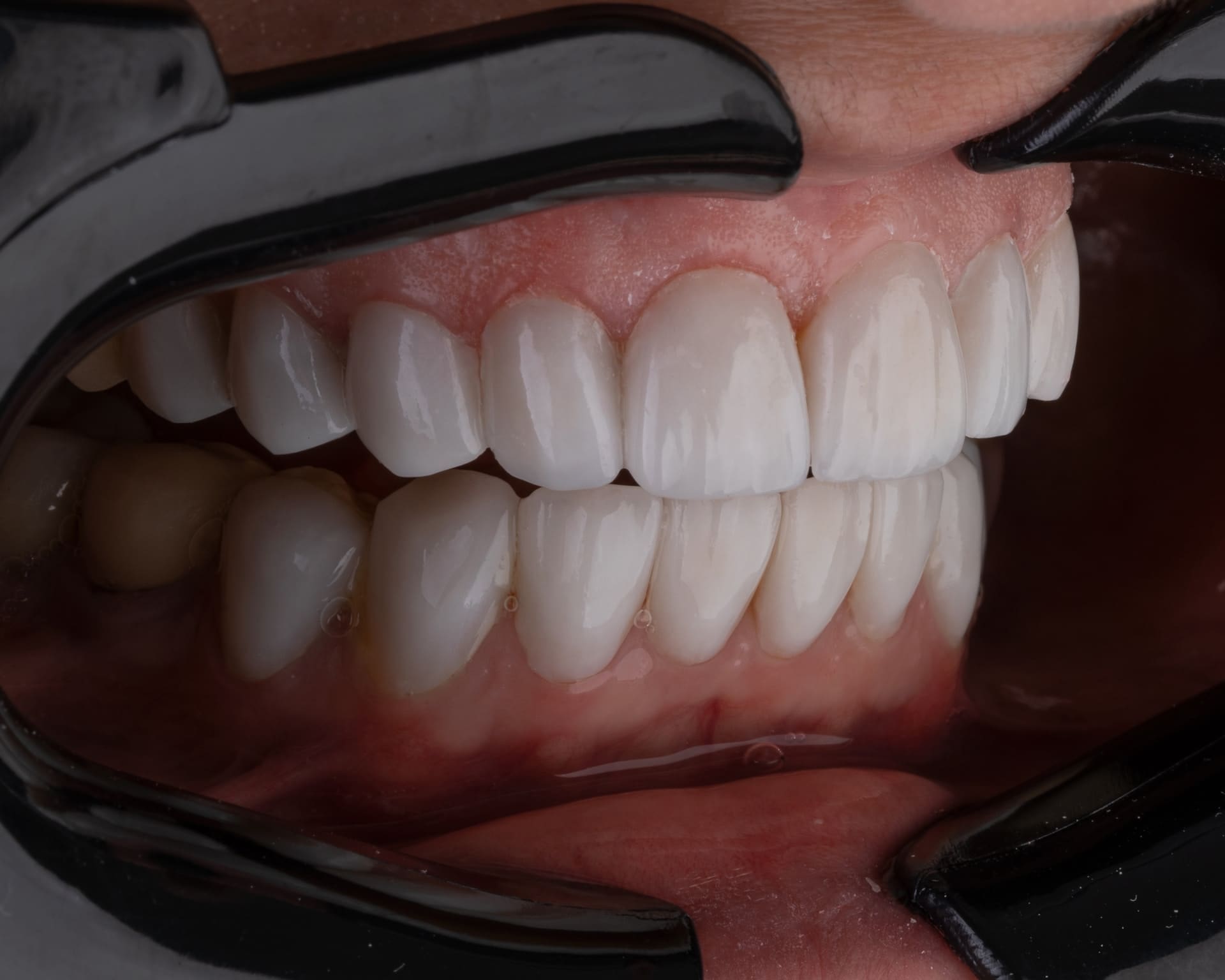
Tooth loss can understandably chip away at your self-esteem, as your smile is often one of the first things people notice about you. Dentures can closely resemble your natural teeth, making it a discreet solution, as others won’t be able to tell that you’re wearing a prosthetic device. This can help restore your confidence and improve your social interactions.

Moreover, dentures can also support your facial muscles, preventing the sagging and wrinkling of the skin that often occurs due to tooth loss. With better bone support, you can maintain a more youthful appearance and boost your self-esteem.

3. Customizable and Convenient

Dentures are highly customizable to suit the specific needs of each individual. They can be tailored to match the size, shape, and color of your natural teeth, ensuring a comfortable fit and a natural appearance. Additionally, dentures can be easily removed for cleaning and maintenance, making them a convenient option for those with missing teeth.

4. Prevention of Further Oral Health Problems

Tooth loss can lead to a host of oral health problems, such as shifting of the remaining teeth, bone loss, and an increased risk of gum disease and tooth decay. With dentures, you can prevent these issues and maintain your overall oral health. Dentures can also help distribute the forces of biting and chewing more evenly, reducing the stress on your natural teeth and supporting structures.

5. Cost-effective Solution

Dentures provide an affordable solution for individuals suffering from tooth loss. While dental implants and bridges are also effective options for replacing missing teeth, they can be more expensive and invasive. Dentures offer a cost-effective alternative that still provides excellent functionality and aesthetics.

The Bottom Line

If you are missing teeth and exploring your tooth replacement options, speak with your dentist about whether dentures are the right solution for you. With the advancements in dental technology and materials, you may be pleasantly surprised by the comfort, aesthetics, and functionality that modern dentures can provide.

So if you’re looking for a dentures dentist in Weymouth, MA, look no further than Weymouth Dental Arts. Contact us today to learn more and schedule your appointment!

dentist

Pre-denture Checklist: Essential Steps for Smooth Transition

Dentures are a standard solution for people who have lost their natural teeth due to aging, decay, or injury. They provide a way to restore the appearance and function of your teeth, allowing you to eat, speak, and smile confidently. However, getting dentures can also be a significant adjustment, especially if you have never worn them. This article will discuss the critical steps in the pre-denture list to help you prepare for your new teeth.

Step 1: Consult With Your Dentist

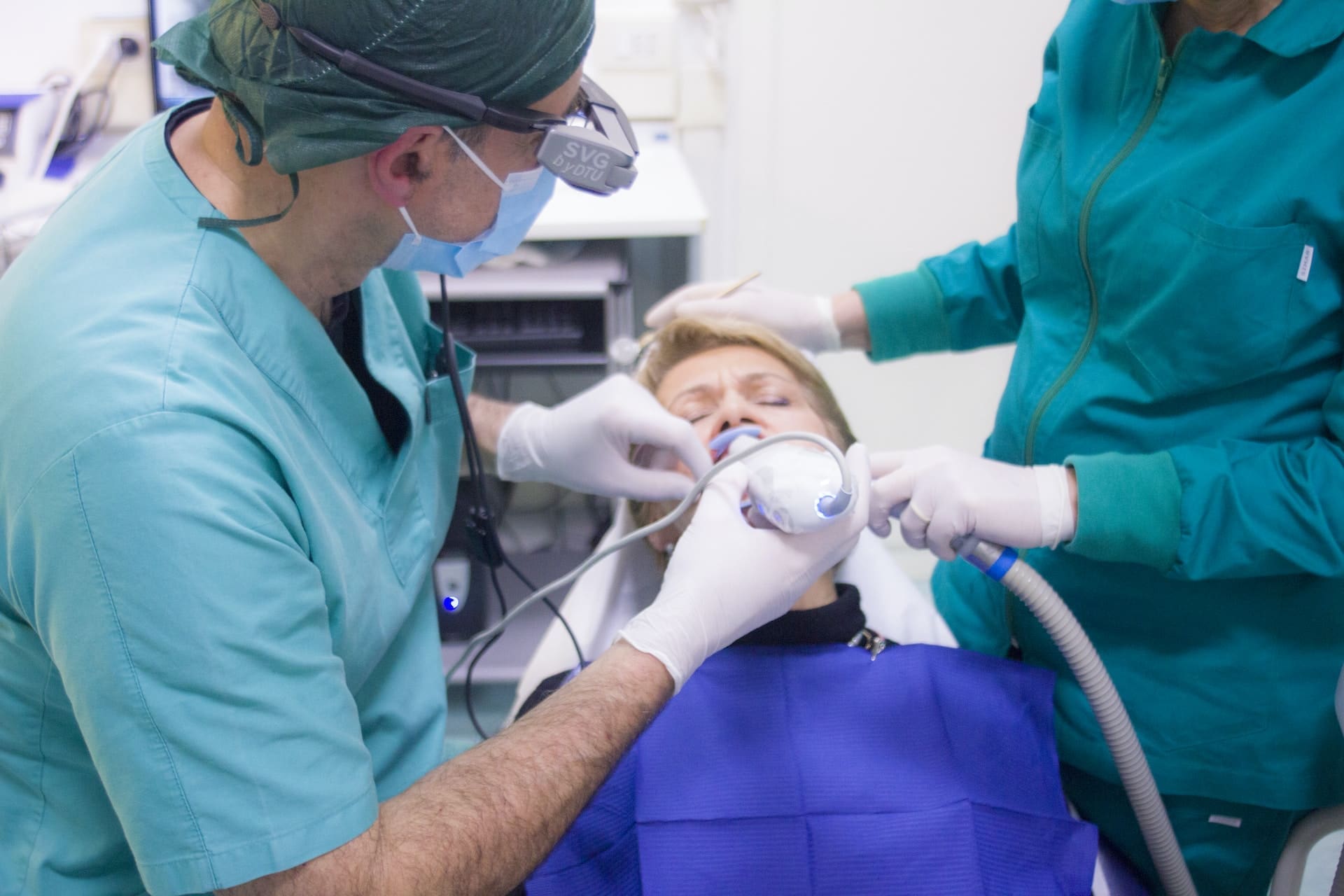
Before getting dentures, it is crucial to consult with your dentist. Your dentist will examine your teeth and gums to determine if dentures fit you. They will also explain the different types of dentures available and recommend the best option based on your needs and budget. Additionally, your dentist will discuss the process of getting dentures, including the time frame, the number of appointments required, and the cost.

Step 2: Prepare Your Mouth

Preparing your mouth before getting dentures is essential to ensure a smooth transition. Your dentist may recommend extracting any remaining teeth that are diseased or damaged and cleaning your gums thoroughly. This process will help prevent infection and inflammation, prolonging the healing process. Additionally, your dentist may recommend a temporary denture or bridge to wear while your gums heal. This temporary prosthesis will allow you to eat and speak normally and help you adjust to the feeling of having something in your mouth.

Step 3: Adjust Your Diet

After getting dentures, you must adjust your diet to accommodate your new teeth. Soft foods like mashed potatoes, soup, and scrambled eggs are ideal for the first few days after getting dentures. As you get used to chewing with dentures, you can gradually introduce firmer foods, such as steak and raw vegetables. It is also essential to avoid sticky or hard foods, such as gum, candy, and popcorn, as they can damage your dentures or dislodge them from your mouth.

Book your appointment today for expert dental care in Weymouth!

Book Appointment Call Us

Step 4: Practice Speaking

Getting used to speaking with dentures can take some time, but practicing can help you adjust more quickly. Before getting dentures, practice speaking aloud and focusing on enunciating words. You may also want to read aloud or sing to get used to the feeling of communicating with dentures.

Step 5: Get Comfortable Wearing Dentures

Dentures can initially feel strange, but getting comfortable with them is essential for a smooth transition. Before getting dentures, practice wearing an adhesive liner or suction cup to get used to the feeling of having something in your mouth. After getting dentures, wear them for several hours each day, gradually increasing the time you wear them. You should also practice eating and speaking with dentures to get used to the feeling.

Conclusion

Getting dentures can be a significant adjustment, but following a pre-denture checklist can help ensure a smooth transition. By following these steps, you can prepare yourself physically, emotionally, and mentally for the changes ahead and confidently enjoy the benefits of your new teeth. Are you looking for a dentures dentist who can provide you with a customized dental experience? Look no further than Weymouth Dental Arts! Our team of highly experienced dental professionals offers a range of dental treatments, including dentures, to patients of all ages. We use the latest and most advanced technologies to ensure your visit is as quick and comfortable as possible. Contact us to learn more!
dentist

Understanding Dental Crowns for Kids: Why & How It Works

Becoming a parent is a rewarding journey that comes with massive responsibility. Once your child enters the world, you should provide for their needs and well-being. One area that you should never overlook is your child’s dental health. 

However, that also means bracing yourself for daunting scenarios, like when your children’s dentist tells you your child needs a dental crown for their primary teeth. You may wonder why it’s necessary and ask if they can pull the tooth out instead and let the permanent tooth grow naturally. 

If you want to help your child smile better, this article will explain why your kid needs this dental treatment. We’ll also discuss what to expect during and after the procedure. 

Why Should I Get a Dental Crown for My Kid?

Getting a crown for your child’s primary teeth is an investment in their future health. If your dentist prematurely pulls the primary teeth because of decay or injury, it can cause problems as the jaw develops. Without these teeth, permanent teeth can shift and cause overcrowding or misalignment. 

This situation can eventually lead to the need for orthodontic treatments or other dental procedures, which can be costly. You can save your child from unnecessary dental treatments and expenses later on by letting a dentist place a crown instead of extracting the primary teeth entirely. 

5 Things to Expect When Getting a Pediatric Dental Crown

Getting this dental solution can be understandably daunting, especially for little children and first-time parents. Once you’ve decided you’ll get a dental crown for your little one, this section will explain what you can expect when acquiring one for your child. 

1. Know the Crown Options 

These crowns aren’t uniform and can differ depending on your child’s requirements and preferences. You can choose from various materials, and the best option will vary depending on your child’s aesthetic needs and tooth structure. Consult your children’s dentist to determine each choice’s benefits and drawbacks. 

2. Prepare the Tooth 

Your dentist can restore your child’s tooth with a dental crown by preparing the damaged tooth. They’ll shape it to create a suitable surface for the material and ensure an accurate fit. 

3. Create Impressions 

Next, your children’s dentist will take an impression of the tooth with a digital scanner or dental putty. They’ll send this impression to the laboratory to create the crown. If you pick a porcelain option, the dentist will select the shade that closely resembles your child’s natural tooth color. 

4. Wear the Temporary Crown 

Your dentist will put a substitute crown on the tooth to protect it while they create the permanent one, which may take a few days. 

5. Apply the Permanent Crown 

When your dentist finishes the permanent crown, they’ll request a date and time to place it. They’ll first apply a local anesthetic to numb the tooth and gum tissue to ensure a painless and comfortable process for your child.

What Can I Expect After My Child’s Dental Crown Procedure?

After driving your child home from the procedure, you must not feed them until the numbness disappears. This step will prevent them from accidentally biting their lip or cheek, which can cause injury. 

Your child may experience discomfort for up to 24 hours because of the irritated tooth pulp and surrounding soft tissue. You can help them alleviate this unpleasant feeling by giving them over-the-counter (OTC) pain relievers like ibuprofen or acetaminophen. However, if the pain lasts more than 24 hours, contact your children’s dentist immediately. Otherwise, it can result in costly complications. 

Conclusion

Your child deserves to smile confidently because their teeth’s condition can significantly affect their self-esteem. You can make better decisions for your kid by visiting the dentist and considering dental crowns. 

If your child needs pediatric dental crowns in Weymouth, Massachusetts, bring them to Weymouth Dental Arts! Our office uses the latest technologies to make your visit quick and comfortable. Book an appointment now!

dentist

5 Best Practices in Taking Care of New Dental Implants

Dental implants are a great way to replace missing teeth and restore your smile. However, proper care is crucial to ensure your dental implants last long. Dental implants are designed to be durable and long-lasting, but their lifespan ultimately depends on how well they are cared for.

Dental implants are a permanent solution to missing teeth. They are designed to last a lifetime with proper care. The lifespan of dental implants may vary depending on several factors. But on average, they can last up to 25 years to a lifetime. But how do people take care of them?

1. Brush Teeth Twice Daily

Brushing your teeth twice daily is crucial to maintaining good oral hygiene. It is essential when you have dental implants. Brushing your teeth helps to remove food particles and plaque that may accumulate on the implant, leading to bacterial growth and gum disease.

Use a soft-bristled toothbrush to avoid damaging the implant or gum tissue. Also, use fluoride toothpaste to strengthen your teeth and prevent cavities. However, remember not to brush your teeth more than twice daily to prevent the enamel from wearing.

2. Remember to Floss

Flossing is just as important as brushing your teeth. It helps to remove food particles and plaque between your teeth and around the implant. Use unwaxed floss or a water flosser to clean the teeth and implant. Be gentle when flossing to avoid damaging the gum tissue.

But regardless of which flossing method you choose, it is essential to floss at least once a day. It will help keep your teeth and implants clean and bacteria-free. It will help to keep your teeth and implants clean and free from bacteria and plaque while preventing gum disease.

3. Swish Mouthwash

Mouthwash helps to kill bacteria and freshen your breath. It is an essential part of your oral hygiene routine, especially when you have dental implants. Use an alcohol-free mouthwash to avoid drying out your mouth, which can lead to gum disease. Swish the mouthwash around your mouth for 30 seconds, and then spit it out. Do not swallow the mouthwash.

4. Make Lifestyle Changes

Certain lifestyle habits can negatively impact your dental implants. For instance, smoking can cause gum disease, leading to implant failure. Limit your intake of sugary and acidic foods and drinks such as soda and candy, which can damage your teeth and implant.

Also, avoid biting down on complex objects such as ice and pens, which can cause the implant to crack or break. Making a few lifestyle changes should prolong the dental implants and help prevent the remaining teeth from experiencing the same fate.

5. Visit the Dentist Regularly

Regular visits to the dentist are essential to maintain good oral health. The dentist will examine your implant and surrounding teeth to ensure they are healthy. They will also clean your teeth and implant to remove plaque and tartar buildup that may lead to gum disease. The dentist may also recommend X-rays to check the implant’s stability and detect any underlying issues.

Conclusion

Taking care of your dental implant is crucial to ensure it lasts a lifetime. Brush your teeth twice daily, floss regularly, and use mouthwash to maintain good oral hygiene. Make lifestyle changes such as quitting smoking and avoiding sugary and acidic foods and drinks. Also, visit the dentist regularly for checkups and cleanings. Following these best practices allows you to enjoy a healthy and beautiful smile for years.

Looking for quality dental care for you and your family in Weymouth? Look no further than Weymouth Dental Arts! Our experienced team offers a variety of dental treatments to meet your needs, whether you need a smile makeover consultation, dentures dentist, or denture repairs in Weymouth. We use the latest technologies to make your visit as quick and comfortable as possible, and we thoroughly evaluate and treat all root factors related to your oral health. Call us today to schedule your appointment and get the beautiful, healthy smile you deserve!

dentures

The Different Types of Dentures: Which One is Right for You?

Dentures have been around for centuries and have been used to replace missing teeth. They are an excellent solution for those who have lost their teeth because of decay, injury, or other reasons. With advancements in dentistry, several types of dentures are available. 

This article will consider the different dentures and help you decide which suits you.

1. Conventional Full Dentures

The most common type of denture is the conventional complete denture. This type of denture is used when all natural teeth are missing. The denture is made of acrylic and is custom-made to fit the patient’s mouth. The denture is held in place by suction and is removable.

2. Partial Dentures

Partial dentures are employed when some natural teeth are still present. The denture is attached to the remaining teeth using clasps. Partial dentures are made of acrylic and metal and are removable.

3. Immediate Dentures

Immediate dentures are constructed in advance and are placed in the patient’s mouth immediately after the natural teeth are extracted. The pro of immediate dentures is that the patient does not have to wait for the gums to heal before getting their dentures. However, immediate dentures may require adjustments as the gums heal and shrink.

4. Implant-Supported Dentures

Dental implants hold implant-supported dentures in place. The implants are surgically deposited into the jawbone, and the dentures are attached. Implant-supported dentures provide a more secure fit and are more comfortable than conventional dentures. They also help sustain the jawbone and prevent bone loss.

5. Overdentures

Overdentures are similar to implant-supported dentures but are held in place by both implants and natural teeth. The natural teeth are used as support for the denture, which is attached to the implants. Overdentures provide a more stable and comfortable fit than conventional dentures.

6. Snap-On Dentures

Snap-on dentures are also known as “implant-retained dentures.” They are held in place by dental implants but are removable. The denture is attached to the implants using snaps or clips. Snap-on dentures provide a more secure fit than conventional dentures.

Which Type of Denture is Best for You?

Choosing the correct type of denture depends on several factors, including the number of missing teeth, the condition of the remaining teeth, the health of the gums and jawbone, and the patient’s budget. 

Here are some points to look at when choosing the right type of denture:

1. Number of Missing Teeth

A conventional complete denture may be the best option if you have lost all your natural teeth. A partial denture may be a more excellent option if you still have some natural teeth.

2. Condition of the Remaining Teeth

The remaining teeth can support a partial denture if they are healthy and robust. If the remaining teeth are weak or damaged, they may need to be extracted and replaced with a complete or implant-supported denture.

3. The Health of the Gums and Jawbone

A conventional denture may be a good option if the gums and jawbone are healthy and robust. An implant-supported denture or overdenture may be a better option if the gums and jawbone are weak or damaged.

4. Budget

Conventional dentures are the most affordable option, while implant-supported dentures are the most expensive. Snap-on dentures and overdentures are more affordable than implant-supported dentures but provide a more secure fit than conventional dentures.

Conclusion

Choosing the correct type of denture depends on several factors. Consult your dentist to determine which type of denture is right for you. A suitable denture can improve your oral health, restore your smile, and enjoy a better quality of life.

Weymouth Dental Arts is a top-notch dental practice that provides exceptional care to patients of all ages. Using the latest and most advanced technologies ensures that visits are as quick and comfortable as possible. Whether you require a routine dental cleaning or a more complex procedure, contact us today to schedule your appointment to get dentures in Weymouth.

dentist

Long in the Tooth: 5 Benefits of Using Denture Soft Liners

As we age, our teeth and gums go through many changes, and sometimes we may need to get dentures to replace our natural teeth. However, adjusting to dentures can be challenging initially, and many people experience sore gums, discomfort, and even pain. Fortunately, soft denture liners can help alleviate these problems and benefit denture wearers. They are thin layers of soft material between the denture base and the gum tissue. But what are the benefits of using denture soft liners? Here are some ideas.

What Are Soft Liners?

Denture soft liners are soft, pliable materials placed inside the denture to cushion and comfort the gums. They are made from various materials such as silicone, rubber, or acrylic resin and custom-fitted to the individual’s mouth. Denture soft liners are designed to improve the denture’s fit and provide a more comfortable and stable fit.

1. Flat Gum Tissues

Dentures are a standard solution for individuals who have lost some or all of their natural teeth. While they can provide a functional replacement for missing teeth, wearing dentures can come with its own set of challenges. One of the biggest challenges is adapting to the gum shape. Fortunately, soft denture liners can help to alleviate some of these challenges. Soft liners can be added to the surface of the denture plate to provide a cushioned barrier between the denture and the gums. They can help to create a more comfortable fit.

2. Comfort in Bony Areas

Denture wearers often experience discomfort in bony mouth areas, such as the palate or the ridge behind the front teeth. Denture soft liners can provide cushioning and reduce pressure on these areas, making it more comfortable to wear the denture. Denture wearers with sensitive bony regions of their mouths may find that soft liners are especially helpful in reducing discomfort. As a result, they will feel less pain while wearing dentures.

Book your appointment today for expert dental care in Weymouth!

Book Appointment Call Us

3. Less Sore Gums

Denture wearers often experience sore gums, especially in the initial stages of wearing dentures. This can be due to various reasons, such as improper fit, lack of adjustment time, or poor dental hygiene. Sore gums can be uncomfortable and painful, making it difficult for denture wearers to eat, speak, or go about daily activities. Apart from reducing soreness, soft liners can also prevent the formation of blisters and ulcers on the gums. These are common problems that can occur when dentures rub against the gums. Soft liners are a barrier between the denture and the gums, preventing friction and irritation. However, it is essential to note that soft liners are not a permanent solution.

4. More Stable Dentures

Denture soft liners can improve the stability of the denture by providing a better fit. The soft liner material can help to create a suction effect between the denture and the gums, which can help to hold the denture in place. As a result, it can reduce the need for denture adhesives and provide a more stable and comfortable fit.

5. Reduces Pain

Pain is a common problem for denture wearers, especially those with ill-fitting dentures. Denture soft liners can help to reduce pain by providing cushioning and relieving pressure on the gums. It can make it easier to eat and speak and improve denture wearers’ overall quality of life.

Conclusion

Denture soft liners can benefit those who wear dentures, including improving the denture’s fit, reducing discomfort, and reducing pain. If you are experiencing discomfort or pain from your dentures, talk to your dentist about using soft liners. With the help of soft liners, you can enjoy a more comfortable and stable fit for your dentures and improve your quality of life. Looking for a reliable and experienced denture dentist in Weymouth, MA? Look no further than Weymouth Dental Arts! Our team of experts offers a wide range of dental treatments, including partial dentures, denture repairs, and more. We use the latest technologies to ensure your visit is quick and comfortable. Don’t settle for anything less than the best regarding your dental health. Contact us today to schedule your appointment!
root canal

7 Key Steps to Prepare for a Root Canal Treatment

Root canal treatment, also known as endodontic therapy, is a dental procedure that involves removing the infected or damaged pulp from the tooth’s root canal system. This procedure is necessary when the tooth’s pulp, which contains nerves and blood vessels, becomes infected or inflamed due to decay, trauma, or cracks in the tooth.

While many people dread the thought of a root canal, proper preparation can help ensure a smooth procedure and a successful recovery. In this blog section, we will discuss seven key steps to prepare for a root canal treatment.

1. Have an In-Depth Conversation with Your Dentist

Before undergoing a root canal treatment, it is essential to discuss the procedure with your dentist. They will explain the process, the reasons for the treatment, and what to expect during and after the procedure. This is an excellent opportunity to address any concerns or fears you may have and get a better understanding of the treatment.

2. Make Sure You Are in Good Physical Condition

Your overall health can impact the success of your root canal treatment. Certain health conditions, such as diabetes or an autoimmune disorder, may increase the risk of complications. Be sure to inform your dentist about any existing medical conditions and medications you are taking. They may recommend a consultation with your primary care physician to ensure that you are in good health for the procedure.

3. Eat Well and Strengthen Your Immune System

A strong immune system is essential for proper healing after a root canal treatment. In the days leading up to the procedure, focus on consuming a healthy diet rich in fruits, vegetables, lean proteins, and whole grains.

You may also want to consider taking vitamin supplements, such as vitamin C, to boost your immune function. Be sure to discuss any supplements with your dentist, as some may interact with medications or affect the treatment.

4. Discuss Aftercare Details with Your Dentist

To ensure a successful recovery, it is essential to follow your dentist’s aftercare instructions. This may include taking prescribed medications, avoiding certain foods, and practicing good oral hygiene. Be sure to discuss these details with your dentist before the procedure and ask any questions you may have.

5. Use Ice to Help with Pain and Swelling

Applying ice to the area surrounding the affected tooth can help reduce pain and swelling after the root canal treatment. Wrap an ice pack in a cloth or towel and apply it to the area for 15-20 minutes at a time, with a 10-minute break between applications. This can be done several times a day, as needed, to help manage discomfort.

6. Take Antibiotics and Follow the Recommended Dose

Your dentist may prescribe antibiotics before or after the root canal treatment to prevent or treat an infection. Be sure to take the antibiotics as directed and for the full duration recommended by your dentist, even if you start to feel better before finishing the course. This will help ensure that any potential infection is properly treated.

7. Don’t Hesitate to Ask Questions

If you have any concerns or questions about the root canal treatment, do not hesitate to ask your dentist. They are there to help you understand the procedure and ensure your comfort throughout the process. The more informed you are, the more confident you will feel going into the treatment.

Final Thoughts

A root canal treatment can seem daunting, but proper preparation can make the process much smoother. By discussing the procedure with your dentist, ensuring you are in good health, and following the recommended aftercare, you can help ensure a successful treatment and recovery. Remember, the goal of a root canal treatment is to save your tooth and alleviate pain, so don’t be afraid to ask questions and take the necessary steps to prepare.

If you need a root canal treatment, check out Weymouth Dental Arts. We offer customized dental care and a variety of high-quality dental treatments. Call us to book an appointment today!

teeth

Are Hybrid Implant Dentures Right for Your Dental Needs?

Dentures have come a long way since the time of George Washington’s wooden teeth. Today, hybrid implant dentures are popular for those seeking a more permanent solution to missing teeth. But are they right for your dental needs? Before you get them, here’s what you need to know about hybrid dentures, how they work, and who they are best suited for.

What Are Hybrid Implant Dentures?

Hybrid implant dentures, also known as fixed dentures or implant-supported dentures, are a type of denture that is secured in place by dental implants. Unlike traditional dentures, which stay on the gums and can slip or move around, these dentures are anchored firmly in place by a series of strategically placed implants.

How Do Hybrid Implant Dentures Work?

Hybrid implant dentures typically comprise the implants and the denture itself. The implants are small titanium screws that are surgically placed into the jawbone. Once the implants are in place, the denture is attached using a series of abutments and connectors. The result is a denture that is firmly anchored in place and feels very much like natural teeth.

Who Is a Good Candidate for Hybrid Implant Dentures?

Hybrid implant dentures are a great option for anyone missing multiple teeth and wanting a more permanent solution than traditional dentures. They are also suitable for those who have experienced bone loss in the jaw, as the implants can stimulate bone growth and prevent further deterioration.

However, only some are qualified candidates for hybrid implant dentures. After all, you must have a sufficient bone density in your jaw to support them. If you have significant bone loss, you may need to undergo a bone grafting procedure before receiving implants.

Benefits of Hybrid Implant Dentures

  • Improved Comfort: Hybrid dentures are more comfortable than traditional dentures because they are firmly attached and don’t cause soreness by rubbing against the gums.
  • Increased Function: Hybrid implant dentures provide stability and support that traditional dentures cannot match. This means you can eat a wider selection of foods, speak more clearly, and enjoy a more active lifestyle without worrying about dentures.
  • Enhanced Appearance: Hybrid implant dentures have the appearance and texture of real teeth, enhancing your overall look and increasing your confidence.
  • Durability: Hybrid implant dentures are more durable and long-lasting than other ones. They are made with high-quality materials designed to withstand wear and tear, making them a worthwhile investment in oral health.
  • Easy Maintenance: Unlike traditional dentures, which require frequent adjustments and maintenance, hybrid dentures can be cared for just like natural teeth, with regular brushing and flossing.

Is Hybrid Implant Dentures Right for You?

Choosing hybrid dentures is a personal decision that should be made in consultation with your dentist or oral surgeon. Hybrid implant dentures are ideal if you miss multiple teeth and want a more permanent solution than traditional dentures. However, consider the potential drawbacks and benefits and decide based on your dental needs and budget.

Final Thoughts

Hybrid implant dentures are a great option for people who have lost most or all of their teeth and are looking for a dependable solution. However, it’s not suitable for everyone, and it’s essential to consult a skilled dental expert to determine if it’s the right choice for your oral health.

Looking for a reliable and affordable solution to restore your missing teeth? Look no further than Weymouth Dental Arts! Our expert dentists specialize in hybrid dentures, a highly effective treatment that combines the best of both worlds: the stability of dental implants with the affordability of dentures. Schedule your appointment today!

woman smiling

Surprising Benefits of a Smile Makeover to Health and Wellbeing

Do you feel self-conscious about your smile? Are you hiding your teeth in photos or trying to avoid smiling altogether? A smile makeover could be the solution you’ve been looking for. Not only can it improve the appearance of your teeth, but it can also positively impact your oral health. In this article, we’ll explore how a smile makeover can improve oral health and wellbeing.

What Is a Smile Makeover?

A smile makeover is a customized treatment plan designed to improve the appearance of your teeth and gums. It may include a combination of teeth whitening, veneers, crowns, orthodontics, and gum contouring. The goal is to enhance your smile and give you the confidence to show it off.

How a Smile Makeover Can Improve Your Oral Health

While a smile makeover is often considered a cosmetic procedure, it can also have several benefits for oral health. Here are a few ways a smile makeover can improve your overall dental wellbeing:

1. Improved Oral Hygiene

Investing in a smile makeover makes you more likely to take better care of your teeth and gums. This means brushing and flossing regularly, attending regular checkups, and avoiding harmful habits like smoking or excessive alcohol consumption. You can reduce your risk of tooth decay, gum disease, and other dental issues by prioritizing your oral health.

2. Correct Bite Issues

Misaligned teeth or bite issues can make it difficult to maintain proper oral hygiene. A smile makeover that includes orthodontic treatment can help correct these issues, making cleaning your teeth and gums easier. This can reduce your risk of developing cavities, gum disease, and other dental problems.

3. Addressing Tooth Damage

If you have chipped, cracked, or broken teeth, a smile makeover can help restore your teeth to their natural appearance and function. This can improve your ability to chew and speak properly, reducing your risk of further tooth damage or decay.

4. Gum Contouring

If you have excess gum tissue or an uneven gum line, a smile makeover that includes gum contouring can help improve your smile’s appearance while reducing your risk of gum disease. Removing excess tissue makes teeth easier to clean, and healthy gum tissue is exposed.

The Psychological Benefits of a Smile Makeover

In addition to the physical benefits, a smile makeover can positively impact your mental health and overall wellbeing. When you feel confident about your smile, you’re more likely to:

  1. Smile More: Smiling is contagious; when you smile, you’re more likely to put others at ease and create positive social interactions.
  2. Improve Your Self-Confidence: When you’re proud of your smile, you’re more likely to feel confident in other areas of your life, such as your career or personal relationships.
  3. Reduce Stress: When you feel good about your appearance, you’re less likely to feel anxious or stressed in social situations. This can improve your overall mental health and wellbeing.

Get the Smile of Your Dreams

A smile makeover can do more than just improve the appearance of your teeth. It can also positively impact your oral health, leading to better hygiene practices, corrected alignment, addressing decay, improving gum health, and boosting confidence. If you’re considering a smile makeover, you must talk to your dentist to determine the best course of action for your unique needs.

If you’re interested in exploring your options for a smile makeover, we encourage you to schedule a consultation with Weymouth Dental Arts! Our team is highly experienced and offers a variety of dental treatments. Patients of all ages are welcome! Our office uses the latest and most advanced technologies to make your visit as quick and comfortable as possible. We thoroughly evaluate and treat all the contributing root factors related to your oral health, ensuring that we leave no stone unturned. Contact us today to get started with your smile makeover consultation!

teeth

Dental Implants: How Can They Be Detected by Others?

In the past, dental bridges and dentures were the only options for replacing missing teeth. However, with advancements in dental technology, dental implants have become a popular and permanent solution for tooth loss. Dental implants are made of titanium and are surgically placed into the jawbone, where they combine with the bone to provide a stable foundation for a replacement tooth. While dental implants offer several benefits over other tooth replacement options, many people wonder if they can be detected. This article will explore whether or not someone can tell if you have a dental implant.

Appearance

One of the most common concerns about dental implants is whether or not they will look natural. Dental implants are designed to look and function like natural teeth, so they are custom-made to match the color and shape of your existing teeth. A skilled dentist or prosthodontist will ensure that your dental implant blends in seamlessly with your natural teeth, making it difficult for anyone to tell that you have an implant.

Speech

Some people may worry that dental implants could impact their ability to speak. While dental implants can cause speech difficulties, this is rare and usually only occurs if the implant is improperly placed. In most cases, dental implants will not affect your speech, and you should be able to speak normally.

Book your appointment today for expert dental care in Weymouth!

Book Appointment Call Us

Sensation

Dental implants have the unique advantage of providing a natural feeling, just like the original teeth. Unlike dentures or bridges, which can feel bulky or uncomfortable, dental implants are designed to feel and function like natural teeth.  However, some people may experience a slight difference in sensation between the implant and their natural teeth. This is usually only noticeable to the person with the implant, and it is not something others will be able to detect.

X-Rays

One way that dental professionals can detect dental implants is through X-rays. Dental implants are usually made of titanium, which is highly radiopaque, meaning that it shows up very clearly on X-rays. If you have a dental implant, your dentist can see it on an X-ray. However, this is something the average person can only detect.

Magnetic Resonance Imaging (MRI)

Another way that dental professionals can detect dental implants is through Magnetic Resonance Imaging (MRI). MRIs use powerful magnets to produce detailed images of the body and can be used to detect dental implants. However, this is not something that is routinely done, and it is only necessary in rare cases.

Physical Examination

In some cases, a dental implant may be visible upon physical examination. If the implant is located near the front of the mouth and the gum tissue is thin, the metal post of the implant may be slightly visible. However, others will not notice this, and your dentist can correct it.

Conclusion

Overall, dental implants are a safe and effective way to replace missing teeth. While there are some ways that dental professionals can detect dental implants, they are not something the average person can see. With proper care and maintenance, dental implants may last a lifetime and provide a natural-looking, comfortable, and functional solution for tooth loss. If you plan to get dental implants, consult a dentist or prosthodontist to determine whether or not they are right for you. At Weymouth Dental Arts, we offer comprehensive dental implant services to help restore your smile and improve your oral health. Our dentists in Weymouth, MA, will work with you to determine the best dental treatment plan for your needs and provide personalized care every step of the way. To schedule a consultation, call us today at (781) 331-6666.
781-650-7599