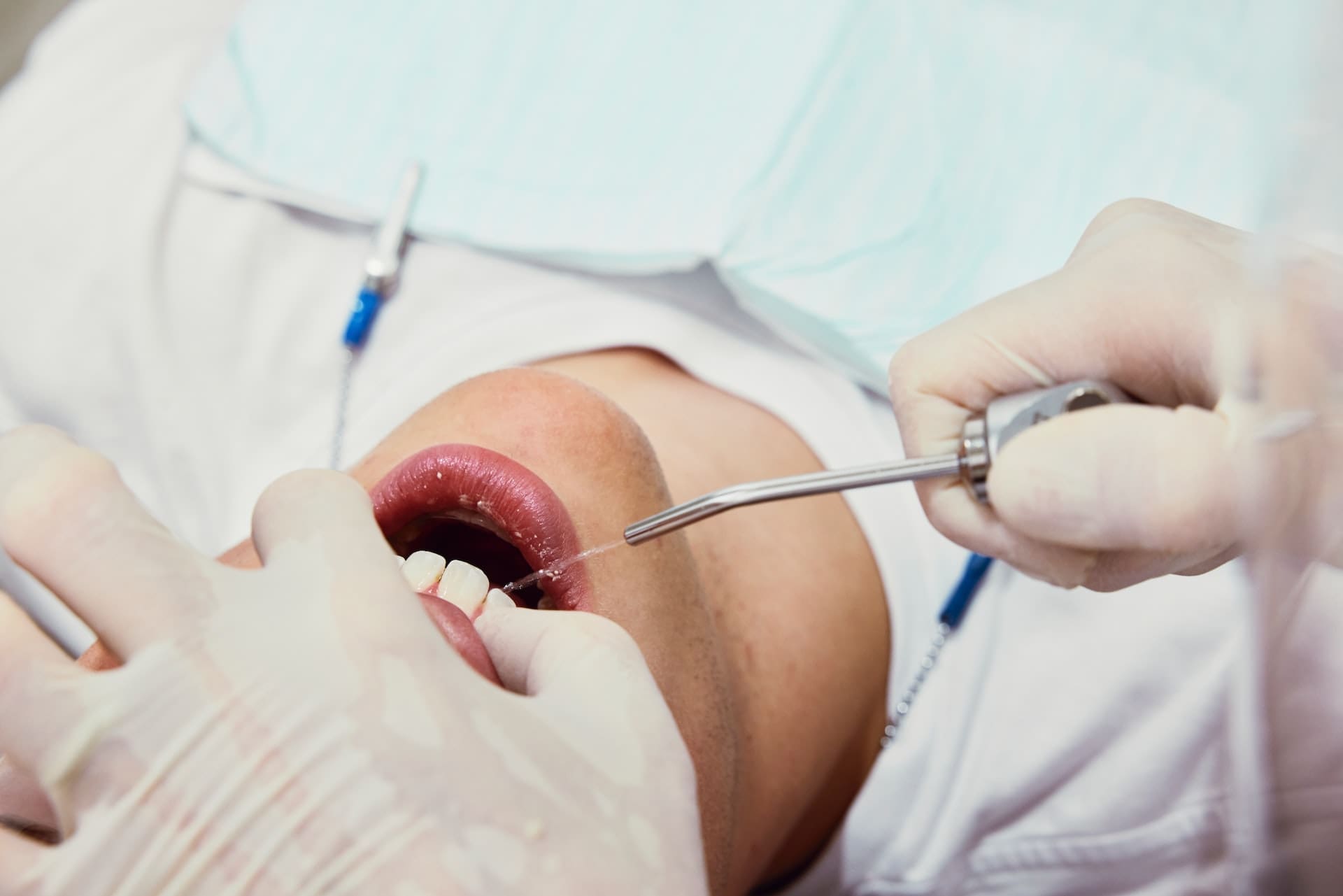
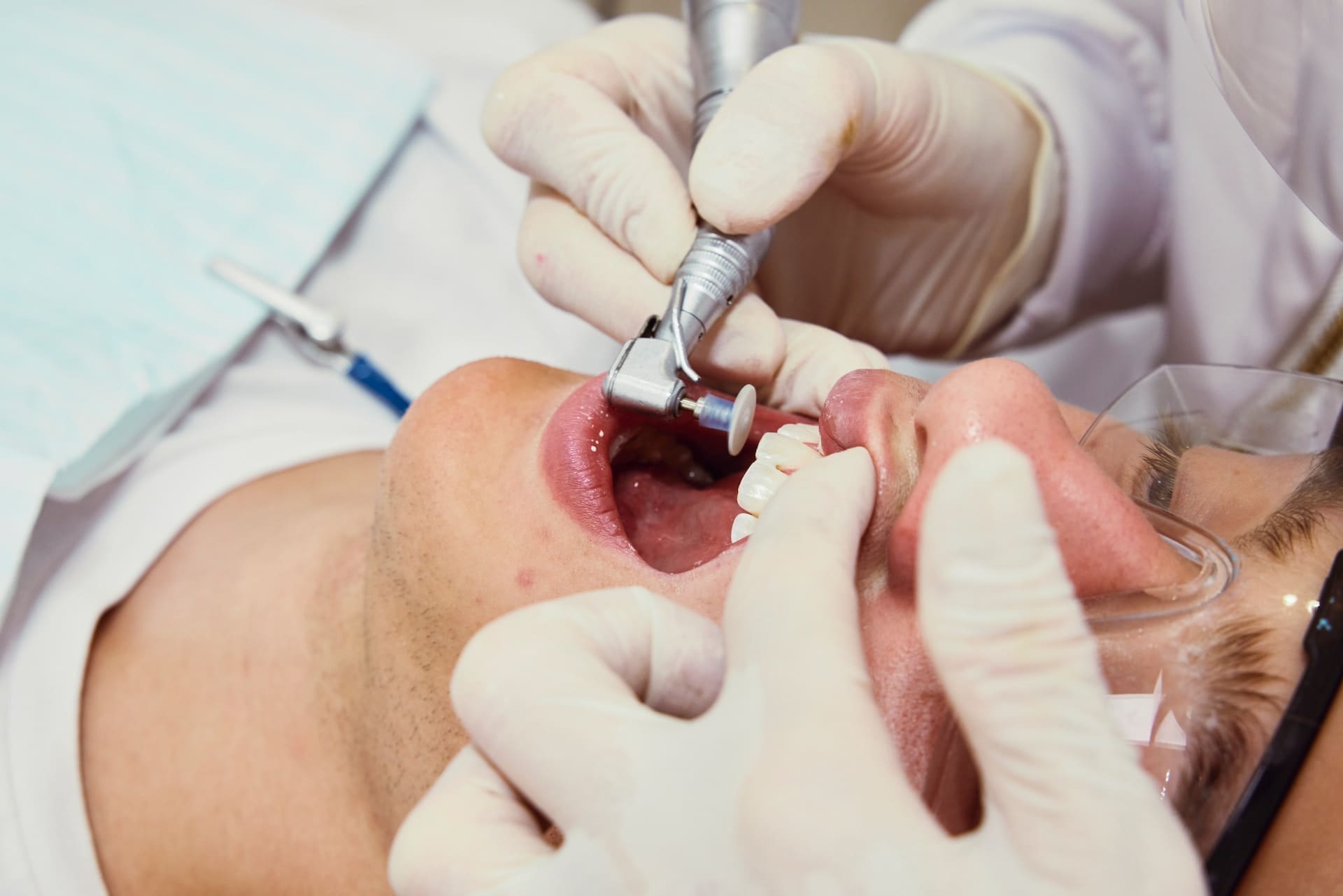
dentist

Goodbye to Discomfort: Tips for Soothing Tooth Sensitivity

Tooth whitening is a popular cosmetic dental procedure that can help improve the appearance of stained or discolored teeth. However, it is not uncommon for patients to experience tooth sensitivity after whitening. This discomfort can range from mild to severe and can last for several days. In this article, we will discuss some tips for managing tooth sensitivity after whitening.

What Causes Sensitive Teeth?

Tooth enamel is the outermost layer of teeth that protects the teeth from damage and decay. When the enamel wears off, it exposes the dentin layer, which is more sensitive and vulnerable to external factors. The following are some of the common causes of sensitive teeth:

1. Brushing Too Hard

Brushing your teeth too hard or using a hard-bristled toothbrush can damage the enamel and expose the dentin layer. Moreover, brushing too hard can also cause receding gums, which can lead to tooth sensitivity.

2. Gum Disease

Gum disease, also known as periodontal disease, is a condition that affects the gums and can cause them to recede, exposing the tooth roots. Exposed tooth roots are more sensitive than the enamel and can cause discomfort while eating or drinking.

3. Tooth Decay

Tooth decay can cause cavities that can expose the dentin layer, leading to sensitivity. Moreover, when the decay reaches the pulp, it can cause severe pain and discomfort.

4. Teeth Whitening

Teeth whitening products can cause sensitivity, especially if you have sensitive teeth to begin with. The chemicals used in these products can irritate the nerves in the teeth, causing discomfort.

If you are experiencing teeth sensitivity, you may want to check for any of the causes mentioned above. By knowing the cause, you can choose a better solution.

How to Deal With Sensitive Teeth

Now that you know the cause, you can take steps to resolve the issue. Below are some common ways to manage pain with sensitive teeth.

Use Desensitizing Toothpaste

Desensitizing toothpaste can be an effective way to manage tooth sensitivity after whitening. These toothpaste contain ingredients that help to block the transmission of pain signals from the tooth to the nerve. It is recommended to use desensitizing toothpaste for at least two weeks after whitening to help reduce sensitivity.

Use a Soft-Bristled Toothbrush

Using a soft-bristled toothbrush is another way to manage tooth sensitivity after whitening. Hard-bristled toothbrushes can be too abrasive and can cause further damage to the enamel. A soft-bristled toothbrush will be gentler on the teeth and gums, reducing the risk of sensitivity.

Apply Fluoride Gel

Fluoride gel can also be useful in managing tooth sensitivity after whitening. Fluoride is a mineral that helps to strengthen the enamel and reduce the risk of tooth decay. Applying fluoride gel to the teeth can help to reduce sensitivity and protect the teeth from further damage.

Avoid Acidic Foods and Drinks

Acidic foods and drinks can also worsen tooth sensitivity. It is important to avoid consuming these items for at least 24-48 hours after whitening. Some examples of acidic foods and drinks include citrus fruits, tomatoes, vinegar, and carbonated beverages.

Avoid Whitening Products for a While

It may be necessary to avoid using whitening products for a while after experiencing tooth sensitivity. This will give the teeth time to recover and reduce the risk of further damage. It is important to follow the instructions provided by your dental professional when using whitening products to prevent potential tooth sensitivity.

Visiting a Dentist

If you are experiencing persistent or severe sensitivity, it is important to schedule an appointment with your dental professional as soon as possible. During your visit, your dental professional will examine your teeth and gums to determine the underlying cause of your sensitivity. They may also recommend treatments such as desensitizing agents, fluoride varnish, or bonding agents to help reduce sensitivity and protect the teeth.

Conclusion

Tooth sensitivity after whitening is a common side effect of the procedure. However, there are several steps that can be taken to manage this discomfort, which are all listed above. If you experience severe or prolonged sensitivity, it is important to contact your dental professional for further evaluation and treatment.

Looking for a reliable dentist in Weymouth, MA? Look no further than Weymouth Dental Arts! Our team of experienced professionals is dedicated to providing you with personalized and comprehensive dental care. Schedule your appointment today and discover the difference that our state-of-the-art technology and compassionate approach can make for your oral health!
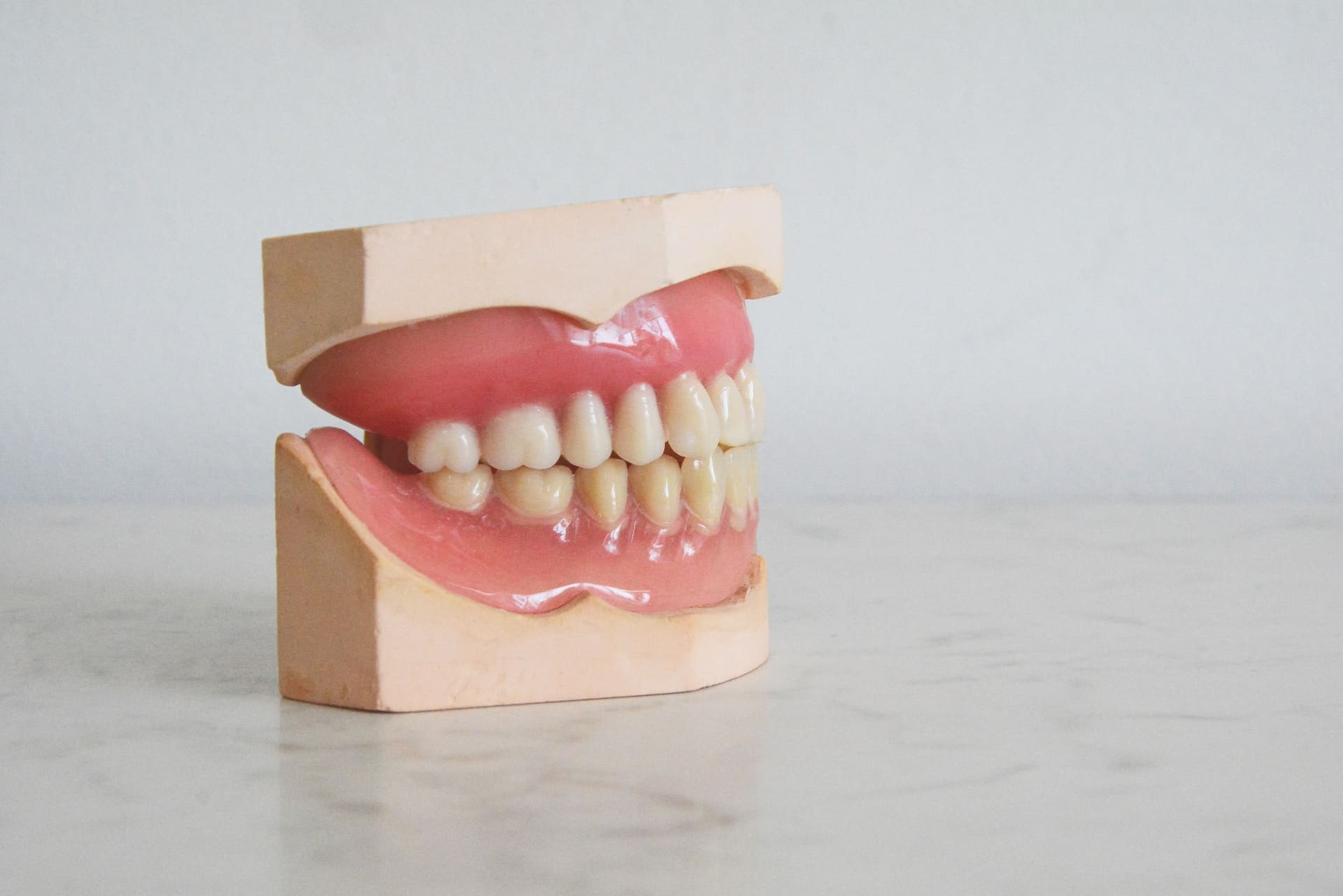
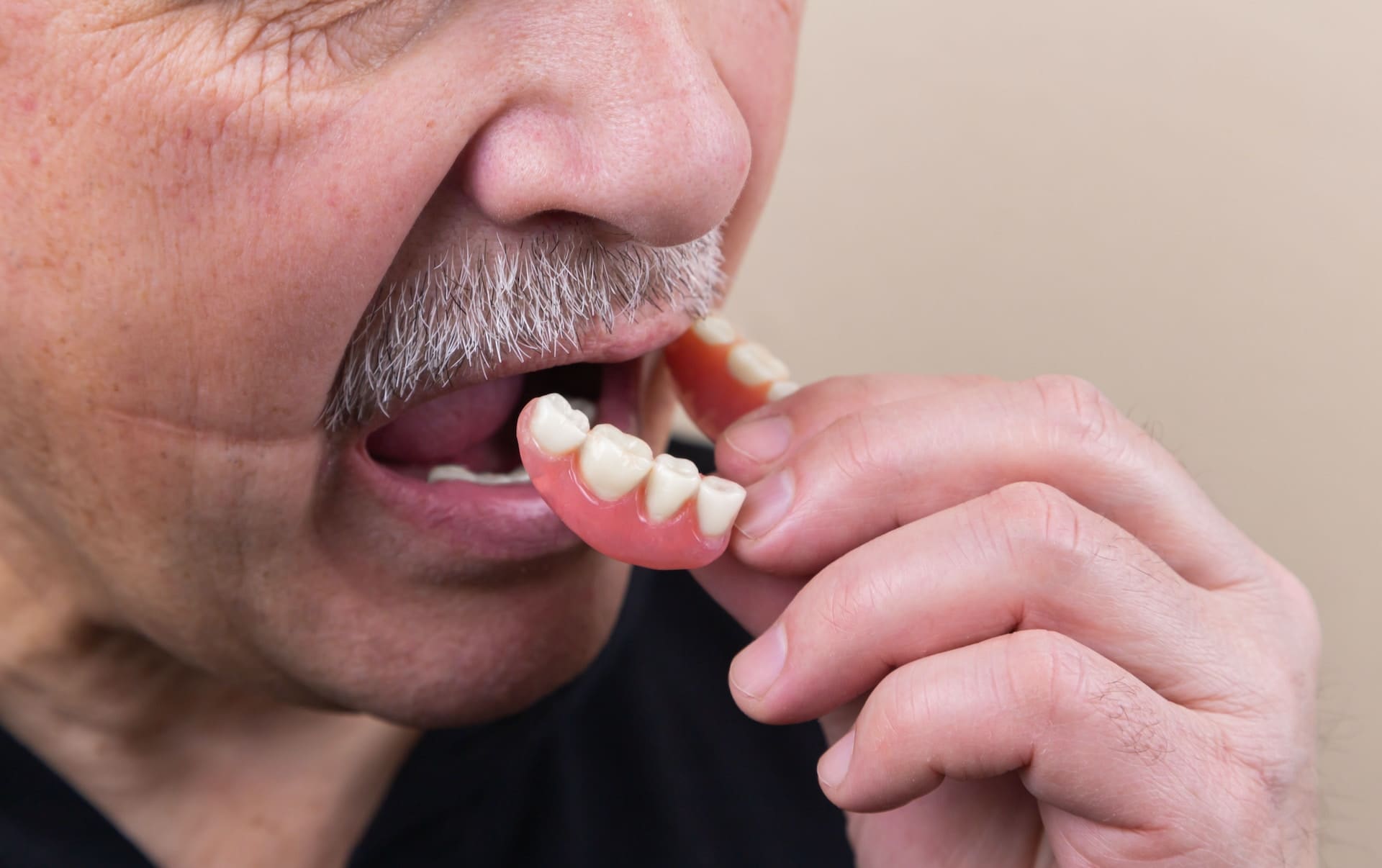
teeth

Everything You Need to Know About Broken Dentures – Part 2

In this second part of our article, we examine the causes and consequences of broken dentures. In part one, we discussed the causes of broken dentures and the importance of seeking professional dental help when faced with this problem. In this second part, we will delve deeper into the symptoms, treatment options, and prevention of broken dentures.

Symptoms of Broken Dentures

The most obvious symptom of broken dentures is a visible crack or breakage in the denture structure. However, other symptoms may also indicate that your dentures are broken. These include:

  1. Pain and Discomfort: When your dentures are broken, they may no longer fit properly in your mouth, leading to sore spots, pain, and discomfort.
  2. Difficulty Chewing: If your dentures are broken, you may find it difficult to chew food properly, which can cause digestive problems and malnutrition.
  3. Speech Problems: Broken dentures can also affect your speaking ability, causing a lisp or other speech impediment.
  4. Loose Dentures: If your dentures become loose or slip out of place frequently, it may be a sign that they are broken or damaged.

If you experience any of these symptoms, it is important to consult your dentist immediately to prevent further damage or discomfort.

Treatment Options for Broken Dentures

The treatment for broken dentures depends on the severity of the damage. In most cases, a dental professional can repair a broken denture. Here are the common treatment options for broken dentures:

  1. Denture Repair: If your dentures are only slightly damaged, a dental professional can repair them by bonding the broken pieces together using an adhesive. This quick and easy fix can be done in the dental office.
  2. Denture Relining: If your dentures are loose and uncomfortable, a dental professional can reline them by adding a new layer of material to the denture’s base to improve the fit.
  3. Denture Replacement: If your dentures are severely damaged or have been repaired multiple times, it may be time to replace them altogether. Your dental professional can take an impression of your mouth and create a new set of dentures that fit perfectly.

It is important to note that attempting to fix broken dentures at home using household adhesives or glues can be dangerous and may cause further damage. Always seek professional dental help for broken dentures.

Preventing Broken Dentures

Preventing broken dentures is easier than fixing them. Here are some tips to help you prevent denture damage:

  1. Handle with Care: Dentures are delicate and can break easily, so handle them with care. Avoid dropping them or exposing them to high temperatures.
  2. Clean Properly: Clean your dentures regularly with a soft-bristled brush and a denture cleaner recommended by your dental professional. Do not use abrasive cleaners or toothpaste, as they can scratch the surface of the dentures.
  3. Store Safely: When not wearing dentures, store them safely, away from curious pets or children.
  4. Regular Check-Ups: Schedule regular check-ups with your dental professional to ensure your dentures are in good condition and fit properly.

Conclusion

Broken dentures can be a frustrating and uncomfortable problem, but with the right treatment and prevention, it is possible to avoid them. If you experience any symptoms of broken dentures, seek professional dental help immediately to prevent further damage or discomfort. Remember to handle your dentures carefully, clean them properly, store them safely, and schedule regular check-ups with your dental professional to keep them in good condition. Caring for your dentures allows you to enjoy a comfortable and confident smile for years.

Transform your appearance and boost your self-esteem with our immediate denture repair or replacement. Request a consultation at Weymouth Dental Arts today and learn how we can help you get back on your feet. As the leading provider of dentures in Weymouth, our team is dedicated to helping you achieve optimal oral health.

denture

Everything You Need to Know About Broken Dentures – Part 1

Dentures are an excellent solution for those who have lost their teeth due to decay, injury, or other reasons. They restore the appearance of your teeth, make it easier to eat and speak, and increase your confidence. However, like any other dental appliance, dentures are not indestructible and can break or become damaged over time. 

This article will discuss everything you need to know about broken dentures, including the types of damage, causes, and what to do if your dentures break.

Types of Damage to Dentures

Dentures can break or become damaged in different ways, and the type of damage will determine the necessary treatment. The most common types of damage include:

  1. Cracks: Cracks are the most common type of damage to dentures. They can be minor or extensive and occur for various reasons, such as biting down on hard foods, dropping dentures, or normal wear and tear.
  2. Chips: Chipping occurs when a small piece of the denture breaks off. It can be caused by biting down on something hard or an accidental drop.
  3. Loose or Missing Teeth: Over time, the teeth of a denture can become loose or even fall out, making it difficult to eat and speak.
  4. Staining: Dentures can become stained over time due to food and drink consumption, smoking, or poor maintenance.

What Causes Broken Dentures?

Several factors can cause dentures to break, and understanding them is essential to prevent any future damage. Some of the most common causes include:

  1. Age: Over time, dentures can become brittle and more prone to breaking, especially if they are not properly cared for.
  2. Improper Handling: Dentures can only be recovered if they are handled with care. Dropping them, using harsh cleaning agents, or brushing them with abrasive materials can cause cracks and chips.
  3. Poor Maintenance: Failing to clean your dentures regularly can cause bacteria buildup, which can lead to discoloration, warping, and other types of damage.
  4. Fitting Dentures: Ill-fitting dentures can cause undue pressure on certain areas, leading to cracks, chips, or even broken dentures.

What to Do If Your Dentures Break?

If dentures break, acting quickly to avoid additional damage and discomfort is crucial. Firstly, remove the dentures immediately to prevent swallowing any small pieces. Then, assess the damage and look for visible cracks or chips. Contact your dentist or a denture specialist to schedule an appointment as soon as possible. They will evaluate the damage and advise on the appropriate treatment. It’s crucial to avoid trying to fix the dentures yourself as this could lead to further damage and make it harder to fix.

Do You Need to Replace Your Dentures?

Whether or not you need to replace your dentures depends on the damage’s severity and type. In some cases, minor damage can be repaired, but in other cases, the dentures may need to be replaced entirely. Here are some factors to consider:

  1. Age of the Dentures: If your dentures are relatively new, they may be worth repairing. However, replacing them may be more cost-effective if they are old and have been repaired multiple times.
  2. Extent of Damage: If the damage is minor, such as a small chip or crack, it may be possible to repair the dentures. However, if the damage is extensive, such as a broken base or several missing teeth, it may be necessary to replace them.
  3. Personal Preference: If you are unhappy with the appearance or fit of your dentures, it may be a good idea to replace them, even if they are not damaged.

Conclusion

Broken dentures can be a frustrating and uncomfortable problem, but there are several steps you can take to prevent damage and protect your investment. If your dentures break, you must take immediate action and seek professional help to prevent further damage and discomfort. In part two of this article, we will discuss preventive measures to avoid broken dentures and how to care for them to extend their lifespan properly.

Don’t let missing teeth hold you back. Contact Weymouth Dental Arts now for high-quality dentures in Weymouth. Our experienced denturist will help you find the perfect fit and ensure your new dentures are comfortable and easy to wear!

woman smiling

Need a Smile Makeover? Find Out If You Qualify Here

A smile is one of the most recognizable and powerful expressions of our personality, and it’s essential to feel confident and comfortable. However, several factors can affect the appearance and health of our teeth, such as genetics, lifestyle habits, injuries, and aging. If you’re unhappy with your smile, you may be a candidate for a smile makeover, a comprehensive dental treatment that can enhance your teeth’ appearance and function.

But how can you find out if you qualify for one? The answer is only sometimes straightforward, as it depends on several factors only a qualified dentist can evaluate. However, some general guidelines can help you even before visiting a dentist for a smile makeover consultation:

The Gist

A smile makeover is not a single procedure but a combination of treatments that address various dental issues comprehensively and coordinatedly. Some of the most common procedures involved in a smile makeover are teeth whitening, dental veneers, dental bonding, orthodontics, dental implants, and gum reshaping. The exact combination of treatments will depend on your specific needs and goals, as well as your budget and timeline.

The Qualifications

To qualify for a smile makeover, you should have overall good oral health, which means that your teeth and gums should be free of decay, infection, and other issues that may compromise the success of the treatment. If you have any dental problems, such as cavities, gum disease, or tooth decay, your dentist must address them before proceeding with cosmetic procedures. This may involve deep cleaning, a root canal, or tooth extraction, according to the severity of the issue.

Another factor affecting your eligibility for a smile makeover is your dental history. If you have had extensive dental work, such as fillings, crowns, or bridges, your dentist must evaluate their condition and compatibility with the new procedures. Sometimes, old restorations may need to be replaced or adjusted to fit your teeth’ new shape and color.

Your age is not necessarily a limiting factor, as you’ll find out if you take a smile makeover consultation, but it can affect the type of treatments suitable for you. For example, if you’re a teenager or young adult, you may benefit from orthodontic treatment to straighten your teeth and correct your bite. If you’re older, you may have lost some teeth or experienced bone loss in your jaw, requiring dental implants or dentures to restore your smile’s function and aesthetics.

Your lifestyle habits can also influence your eligibility for a smile makeover. If you smoke, drink alcohol excessively, or consume sugary or acidic foods and drinks regularly, your teeth may be more prone to staining, decay, and erosion. Your dentist may recommend quitting smoking or reducing your alcohol intake before undergoing cosmetic procedures. They may also advise you on maintaining good oral hygiene and a healthy diet to preserve the results of your smile makeover for longer.

The Summary

To determine if you qualify for a smile makeover, consult a qualified dentist who can evaluate your dental health, history, age, and lifestyle habits. They will conduct a comprehensive oral exam, take x-rays and photographs, and discuss your goals and expectations with you. Based on this information, they will recommend a personalized treatment plan to help you achieve the smile you’ve always wanted. 

Remember that a smile makeover is not just about aesthetics but also about improving your oral health and quality of life, so it’s worth investing in it if you’re a good candidate.

Begin Your Smile Makeover with Weymouth Dental Arts

At Weymouth Dental Arts, we understand that every smile is unique and requires personalized dental care. Our team comprises highly skilled professionals specializing in various dental treatments to cater to patients of all ages. Rest assured; our office is equipped with state-of-the-art technologies to ensure a seamless and comfortable experience during your visit. 

We leave no stone unturned in evaluating and treating all the underlying factors that contribute to your oral health. Book your smile makeover consultation by visiting our Services page or calling (781) 331-6666!

drinking red wine

9 of the Most Common Foods and Drinks That Stain the Teeth

Tooth discoloration is a common dental problem that affects millions of people worldwide. It can occur due to various factors, such as genetics, aging, smoking, poor oral hygiene, and certain foods and drinks. While genetics and aging are out of our control, we can change our diet and lifestyle to prevent tooth discoloration caused by food and drink consumption. Most are OK to eat, but consuming too much of them becomes a problem, which compromises our teeth.

With this in mind, here are some of the most well-known foods and beverages that can cause tooth discoloration:

#1 – Berries

Berries are packed with antioxidants and are known to be healthy for our bodies, but they can also stain our teeth. Berries such as blueberries, blackberries, and raspberries contain pigmented molecules called chromogens, which can stick to the enamel of our teeth and cause discoloration over time. Additionally, the high acidity in berries can erode the enamel, making it easier for stains to set in.

#2 – Beets

Beets are another healthy food that can cause tooth discoloration. They contain a natural red pigment called betanin, which can stick to the enamel and cause staining. The strong color of beets also makes it difficult to remove the stains, as they tend to be deep and persistent.

#3 – Coffee and Tea

Coffee and tea are two of the most popular beverages consumed worldwide but are notorious for causing tooth discoloration. Both coffee and tea contain chromogens that can stick to the enamel and cause staining. Additionally, they are acidic, which can erode the enamel and make it easier for stains to set in. If you can’t give up your daily cup of joe or tea, try drinking through a straw to minimize contact with your teeth.

#4 – Curry

Curry is a delicious and flavorful spice commonly used in Indian cuisine. However, it can also cause tooth discoloration due to its bright yellow color. The pigments in curry can stick to the enamel and cause staining, especially if consumed regularly.

#5 – Popsicles

Popsicles are a popular summertime treat for kids and adults but can cause tooth discoloration. The bright colors in popsicles can stick to the enamel and cause staining, especially if consumed frequently. Additionally, the high sugar content in popsicles can lead to tooth decay and further discoloration.

#6 – Red Wine

Red wine is a popular alcoholic beverage many enjoy, but it can also cause tooth discoloration. The deep red color of red wine is due to pigmented molecules called tannins, which can stick to the enamel and cause staining. Additionally, red wine is acidic, eroding the enamel and making it easier for stains to set in. If you enjoy a glass of red wine, try drinking water in between sips to help wash away the pigments and acidity.

#7 – Sodas

Sodas are one of the worst offenders when it comes to tooth discoloration. They are loaded with sugar and acid, which can cause enamel erosion and staining. Additionally, the dyes used to give sodas their bright colors can stick to the enamel and cause further discoloration. If you must have a soda, try drinking through a straw to minimize contact with your teeth and rinse your mouth with water after drinking.

#8 – Soy Sauce

Soy sauce is a staple in many Asian cuisines and is used as a condiment and ingredient in many dishes. However, it can also cause tooth discoloration due to its dark color and high salt content. The pigments in soy sauce can stick to the enamel and cause staining, especially if consumed regularly.

#9 – Tomatoes

Tomatoes are a healthy food packed with vitamins and antioxidants but can also cause tooth discoloration. The bright red color of tomatoes is due to pigmented molecules called lycopene, which can stick to the enamel and cause staining. Additionally, tomatoes are acidic, which can erode the enamel and make it easier for stains to set in.

Conclusion

Tooth discoloration is a common dental problem that can significantly impact our appearance and self-confidence. While some discoloration is inevitable due to genetics and aging, we can change our diet and lifestyle to prevent discoloration caused by food and drink consumption. By being mindful of the foods and drinks we consume and taking steps to protect our teeth, we can maintain a bright and healthy smile.

Weymouth Dental Arts provide top-quality services for teeth whitening in Weymouth. We offer comprehensive dental services to ensure your teeth remain healthy for your overall health. Call us today at (781) 331-6666 to schedule an appointment!

Dental Visit

Discover Why Early Childhood Dental Visits are Essential

Visiting the dentist is essential to maintaining oral health and hygiene, and starting early is even more critical. Children as young as two should make regular dental trips to the dentist to promote good oral hygiene habits that will stay with them for the rest of their lives. Early childhood dental visits are essential for a healthy smile and for finding problems before they become serious. 

Read on to discover why investing in the oral health of your little one is a pivotal part of their overall well-being.

Why Are Dental Visits during Early Childhood Dental Important?

Establishing Good Oral Hygiene Habits 

During these visits, children can learn how to brush their teeth and care for them properly. They can also get tips on diet and nutrition to help keep their teeth healthy. Regular brushing and flossing, along with fluoride treatments, will help set the stage for good oral health in later life.

Detecting and Treating Problems in Early 

During a child’s early years, their teeth are more vulnerable to cavities and decay. Early childhood dental visits allow pediatric dentists to detect any developing issues and take preventative measures to help avoid the need for more extensive treatments. 

If any problems arise, early detection allows pediatric dentists to start treatment quickly and limit the severity of the issues for which treatment is needed.

Educating Parents on Proper Oral Care 

During an early childhood dental visit, pediatric dentists can inform parents about proper oral care for their child. It can also guide what type of toothpaste or mouthwash to use and how to properly care for a baby’s teeth.

How to Prepare for an Early Childhood Dental Visit 

Choosing a Dentist 

It is essential to consider the dentist’s credentials and experience when selecting a dentist for an early childhood dental appointment. A pediatric dentist is ideally suited for children under five and has typically completed two to three years of additional training beyond dental school

Additionally, selecting a dentist who is at ease working with young children and familiar with methods to make dental visits less intimidating is advantageous. Consult with other parents whose children have visited the dentist or peruse online testimonials. 

Scheduling an Appointment 

Schedule the appointment at a time that works for your child’s daily schedule when he or she can best focus or cooperate. 

An anxious child may benefit from having lunch before the appointment so they feel safe as soon as they arrive. It’s also important to inform the office of any allergies or special requirements your child may have before setting the appointment. 

What to Expect During the Visit 

The first few times, the dentist will likely ask some questions about diet and oral hygiene habits, do an examination, and provide instructions on cleaning teeth properly. Depending on your child’s age and condition, x-rays may need to be taken. They may discuss tooth decay prevention and diet if your child is old enough.

Conclusion

Early childhood dental visits are essential to give children a happy smile. These visits should be regular and can help prevent cavities and other dental problems. Early childhood dental visits are critical to maintaining good dental health into adulthood.

Book your child’s appointment with Weymouth Dental Arts’ experienced pediatric dentist today! Our caring team is dedicated to providing top-notch dental care in a fun and comfortable environment. Give your child a healthy smile for life. Schedule an appointment now!

Dental Care

Comparing Urgent and Non-urgent Emergency Dental Care

Dental emergencies can be a painful and frightening experience, and it’s crucial to know how to identify urgent dental problems that require immediate attention from a dentist. While some dental emergencies require primary care to save a tooth or prevent further damage, others can wait for a scheduled appointment with a dentist. 

Understanding how urgent and non-urgent dental emergencies differ can help you make informed decisions about seeking treatment and reduce unnecessary visits to the dentist. Urgent dental problems can be caused by various factors, including injury, infection, or severe pain. These conditions require immediate attention to prevent further damage, relieve discomfort, and save the tooth if possible. 

On the other hand, non-urgent dental problems may cause discomfort or inconvenience but do not pose an immediate threat to oral health. These problems can often wait for a scheduled appointment with a dentist.

Knowing when to seek immediate care from a dentist can be challenging, especially if you’re experiencing a dental emergency for the first time. In this article, we will discuss the difference between urgent and non-urgent dental emergencies and provide examples of each type of problem. 

Urgent Dental Emergencies

Urgent dental emergencies are those that require immediate attention to prevent further damage, relieve pain, or save a tooth. Some examples of urgent dental problems include:

  1. Severe toothache – A toothache that is severe and persistent may be a sign of an infection or abscess, which can become life-threatening if left untreated.
  2. Broken or knocked-out tooth – If a tooth is broken or knocked out, it’s important to see a dentist immediately. If the tooth can be saved, the chances of successful restoration are higher if treatment is received within the first hour of the injury.
  3. Swelling or bleeding – Swelling or bleeding in the mouth can be a sign of infection or injury and should be evaluated by a dentist as soon as possible.
  4. Loose or lost filling – A loose or lost filling can expose the sensitive inner layers of the tooth, causing pain and increasing the risk of infection.
  5. Broken dentures or orthodontic appliances – Broken dentures or braces can cause discomfort and make it difficult to eat or speak. A dentist can repair or replace these appliances to restore comfort and function.

Non-Urgent Dental Emergencies

Non-urgent dental emergencies are those that can wait for a scheduled appointment with a dentist. These problems may cause discomfort or inconvenience but do not pose an immediate threat to oral health. Some examples of non-urgent dental issues include:

  1. Mild toothache – A mild toothache that comes and goes may be caused by sensitivity to hot or cold foods or minor decay. These issues can often be resolved with over-the-counter pain relievers and a scheduled dental visit.
  2. Lost filling or crown – If a filling or crown falls out but does not cause pain or discomfort, it may be considered non-urgent. However, it’s still important to schedule a visit with a dentist as soon as possible to prevent further damage to the tooth.
  3. Chipped or cracked tooth – A chipped or cracked tooth that does not cause pain or sensitivity may not require immediate attention. However, it’s essential to have the tooth evaluated by a dentist to prevent further damage or infection.
  4. Stained or discolored teeth – Stained or discolored teeth may be a cosmetic issue but do not threaten oral health. These problems can often be resolved with professional teeth whitening or other cosmetic treatments.
  5. Lost or broken retainer – If a retainer is lost or damaged, it may be considered non-urgent as long as the teeth do not shift significantly. However, it’s still important to schedule a visit with an orthodontist to repair or replace the retainer.

Conclusion

If you experience a dental emergency, it’s essential to seek immediate care from a dentist to prevent further damage or infection. However, not all dental problems require immediate attention; some can wait for a scheduled appointment. If you’re unsure whether your dental problem is urgent or non-urgent, contact your dentist for guidance.

Do you need dental emergency treatment? Trust Weymouth Dental Arts. Your smile deserves customized dental care. Our office uses the latest and most advanced technologies to make your visit as quick and comfortable as possible. We thoroughly evaluate and treat all the contributing root factors related to your oral health, ensuring that we leave no stone unturned. Book an appointment!

dental procedure

Dental Crowns—Preparation for One-Day and Multi-Day Session

Are you considering having a crown placement procedure? Whether you want a one-day or multi-day crown placement, it is important to be properly prepared for the procedure. This article is designed to provide the information you need to prepare for a crown placement procedure. 

Essential Steps in Dental Crown Preparation

The initial steps are the same whether it’s a one-day process or a multi-day therapy. The essential first steps are as follows:

Oral Examination

Your dentist will look inside your mouth. He will examine and evaluate both the tooth that needs a crown and the area around it. 

Anesthesia

Your dentist will apply a local anesthetic to give a clearer view of the tooth’s roots and surrounding bone while creating a dental crown. The dentist will inject a short-term anesthetic into your gums to help with any discomfort during crown preparation. Moreover, some dentists use conscious sedation, which keeps the patient aware during the procedure but induces comfort and sleepiness.

Book your appointment today for expert dental care in Weymouth!

Book Appointment Call Us

Dental Hygiene

The tooth must be prepared as the next step. The dentist may file, shave, or otherwise alter the tooth’s enamel at this stage. They will use a tool to remove the top and sides of your tooth to make it smoother.  For the tooth to sustain the crown during this process, the dentist might also need to fortify a tooth that is weak or broken. The preparation of the tooth affects how the crown will fit on top of it. A misaligned bite could result from improper filing down of the teeth, which could cause further erosion of the enamel and jaw pain. After the tooth has been prepared for a crown, the next step depends on the type of crown you are getting.

Steps of a Multi-Day Operation

The following steps are necessary to prepare a crown for a lengthy procedure:
  • Dental impression: The dentist will picture your tooth and its surroundings. This imprint will be given to a lab to make the crown.
  • Installation of a temporary crown: While the permanent crown is being created, the dentist will cover your tooth with a temporary crown. This temporary cap will protect your tooth until the permanent tooth can be positioned over it. Once the temporary crown is in place, you are free to go. You must follow your dentist’s recommendations to take care of your temporary crown.
  • A scheduled appointment: Your dentist will call you again once the temporary crown has been in place for two weeks. The region will be reassessed after the temporary crown is removed.
  • Whole crown placement: Your dentist will use appropriate dental cement for the type of crown you are getting and the location where it will be set. Once evenly distributed, adhesive throughout the crown’s interior will delicately secure the crown to your tooth. Once the crown has been appropriately positioned, the dentist will scrape or remove any leftover dental cement.

Steps of a One-Day Procedure

These are the processes in crown preparation for a one-day procedure: Before any one-day crown implantation treatments, your dentist will take digital scans of your mouth. Digital photographs are required to clearly understand the tooth that needs a crown and its surroundings. The dentist will use this scan to create a three-dimensional model of your tooth.
  • Crown preparation: The dentist will send the equipment to prepare the crown using exact measurements and data from the digital pictures. CAD/CAM software is often used to design and create your crown model. According to the model, the crown will be sculpted, the excess ceramic will be removed, the surface will be trimmed, and the peak will be polished.
  • Final crown placement: Your dentist will choose the appropriate dental cement to affix the final crown to your prepared tooth. Before the same-day crown implantation, you can ask for a local anesthetic. After the numbness goes away, you’re ready to go back home.
Following the placement of your final crown, you might experience some mild mouth soreness. Yet, this soreness and misery will pass quickly. Your dentist will provide you with over-the-counter medicines to help you manage your discomfort. If the issue doesn’t improve after a few weeks, you should schedule an appointment with your dentist for an examination.

Conclusion

Whether you are getting a crown for the first time or have had one before, it is advised that you talk to your dentist about your needs for crown placement. You will be better prepared for the procedure physically and psychologically if you know the many types of crowns and the processes involved in inserting one. At Weymouth Dental Arts, our team is highly experienced and offers a variety of dental treatments. Patients of all ages are welcome! We thoroughly evaluate and treat all the contributing root factors related to your oral health, ensuring that we leave no stone unturned. Book an appointment to get the best dental crowns!
Dental Bonding

Short- and Long-Term Dental Bonding Aftercare : A Guide

Dental bonding is a popular cosmetic dentistry procedure that involves the application of a tooth-colored composite resin material to improve the appearance of the teeth. It is a quick and cost-effective solution to fix dental issues, such as chipped or cracked teeth, gaps, and discoloration. However, like any other dental treatment, dental bonding needs proper aftercare to ensure longevity and effectiveness.

Short-Term Dental Bonding Aftercare

Immediately after the bonding procedure, you may experience some sensitivity or discomfort in the treated tooth. This is normal and should subside within a few hours or days. To aid in the healing process, here are some essential tips to follow:

1. Avoid Hard and Sticky Foods

Avoid eating hard or sticky foods that damage the bonding material for the first few days. Opt for soft foods such as soups, smoothies, and mashed potatoes.

2. Brush and Floss Regularly

Maintaining proper oral hygiene is crucial after dental bonding. Brush and floss twice daily to keep your teeth clean and prevent decay or gum disease.

3. Avoid Staining Beverages

Avoid consuming staining beverages such as coffee, tea, and red wine for at least 48 hours after the bonding procedure. These drinks can cause discoloration and staining of the bonding material.

4. Avoid Smoking

Smoking harms your oral health and can cause yellowing or discoloration of the bonding material. Avoid smoking for at least 48 hours after the procedure.

Long-term Dental Bonding Aftercare

While dental bonding is a durable and long-lasting solution, it still requires proper aftercare to ensure longevity. Here are some tips to follow for long-term dental bonding aftercare:

1. Maintain Proper Oral Hygiene

Proper oral hygiene is essential for maintaining the longevity of dental bonding. Brush and floss twice daily and visit your dentist regularly for cleanings and check-ups.

2. Avoid Hard and Sticky Foods

Avoid eating hard or sticky foods that can damage the bonding material. These foods include ice, hard candy, and caramel.

3. Avoid Teeth Grinding

Teeth grinding, also known as bruxism, can damage the bonding material and cause it to chip or crack. If you suffer from bruxism, consult your dentist about getting a custom mouthguard to protect your teeth.

4. Avoid Staining Beverages

Staining beverages such as coffee, tea, and red wine can cause discoloration and staining of the bonding material. Limit your consumption of these drinks or use a straw to minimize contact with your teeth.

5. Regularly Visit Your Dentist

Regular visits to your dentist are crucial for maintaining the longevity of dental bonding. Your dentist can monitor the bonding material for any signs of wear or damage and address any issues before they become more severe.

Conclusion

Dental bonding is an excellent cosmetic dentistry solution that can improve the appearance of your teeth. However, proper aftercare is crucial for maintaining its longevity and effectiveness. Following the short-term and long-term dental bonding aftercare tips discussed in this article ensures that your bonding material remains in excellent condition for years.

Are you looking for the best dentist in Weymouth, MA? At Weymouth Dental Arts, we provide customized dental care for patients of all ages, utilizing the latest and most advanced technologies. Book an appointment with us today!

Cracked Teeth

Why Cracked Teeth are More Than Just a Cosmetic Concern

You may have heard that you can tell someone’s age by looking at their teeth, but this is not always true. Cracked teeth do not always indicate old age or poor dental health.

They are more likely to happen to younger people who take good care of their teeth and follow a healthy diet than those who don’t. It is important to understand what causes cracked teeth so that you can prevent them from happening again in the future.

This article will discuss the causes of cracked teeth, how to prevent them, and what you can do if you have a cracked tooth.

What Causes Cracked Teeth?

Cracked teeth can occur due to various reasons, such as:

1. Biting Down on Hard Foods

Hard foods and candy are very hard on your teeth. They can cause cracks in your teeth if you bite down too hard on them. This can also happen when you chew gum or suck on hard candies for an extended period. 

2. Teeth Grinding (Bruxism)

Teeth grinding, or bruxism is a common condition that affects the teeth and the mouth. It’s most common in people who are stressed out or have sleep apnea.

Teeth grinding can cause your teeth to become cracked or chipped from the constant pressure of your jaw muscles. It can also cause gum recession or damage to the roots of your teeth, leading to tooth loss over time.

3. Trauma to the Face or Mouth

Trauma to the face or mouth can cause cracked teeth. This trauma can be from an accident or even playing sports. If you have a tooth that is cracked, it is important to see your dentist as soon as possible. The longer you wait, the more likely there will be long-term damage to your tooth.

4. Aging and Normal Wear and Tear on the Teeth

As we age, our teeth naturally lose some of their structural integrity. This can lead to cracked teeth, which are very common in older adults. Our teeth become more susceptible to everyday wear and tear as we age. This can cause tiny cracks in your enamel, eventually leading to larger cracks in your tooth structure.

5. Chewing on Non-Food Items

One of the most common causes of cracked teeth is chewing on non-food items. This can include pencils, pens, and other hard objects you may put in your mouth. Chewing on these items can cause cracks in your teeth that make them more susceptible to further damage and tooth decay.

6. The Importance of Treating Cracked Teeth

Cracked teeth can be painful and uncomfortable, but they also seriously threaten oral health. If you have cracked teeth, you must take steps to protect them from further damage.

Cracked teeth can lead to pain and discomfort in the mouth if not treated properly. In addition, if left untreated for a long time or without proper care, these cracks may become deeper or even spread throughout other parts of your mouth.

Conclusion

Cracked teeth are more than just a cosmetic concern. They can lead to pain and infection if not treated quickly. In some cases, cracks may also indicate that you have other dental problems like tooth decay or gum disease. If you notice that one of your teeth has developed a crack, please contact our office immediately so we can schedule an appointment for treatment.

If you are experiencing any pain or discomfort in your teeth, including cracked ones, don’t hesitate to contact a dentist for immediate help. Contact Weymouth Dental Arts to schedule an appointment or seek emergency dental care in Weymouth. Your oral health is our top priority, and we are here to provide you with the care you need to keep your smile healthy and pain-free.

781-650-7599